
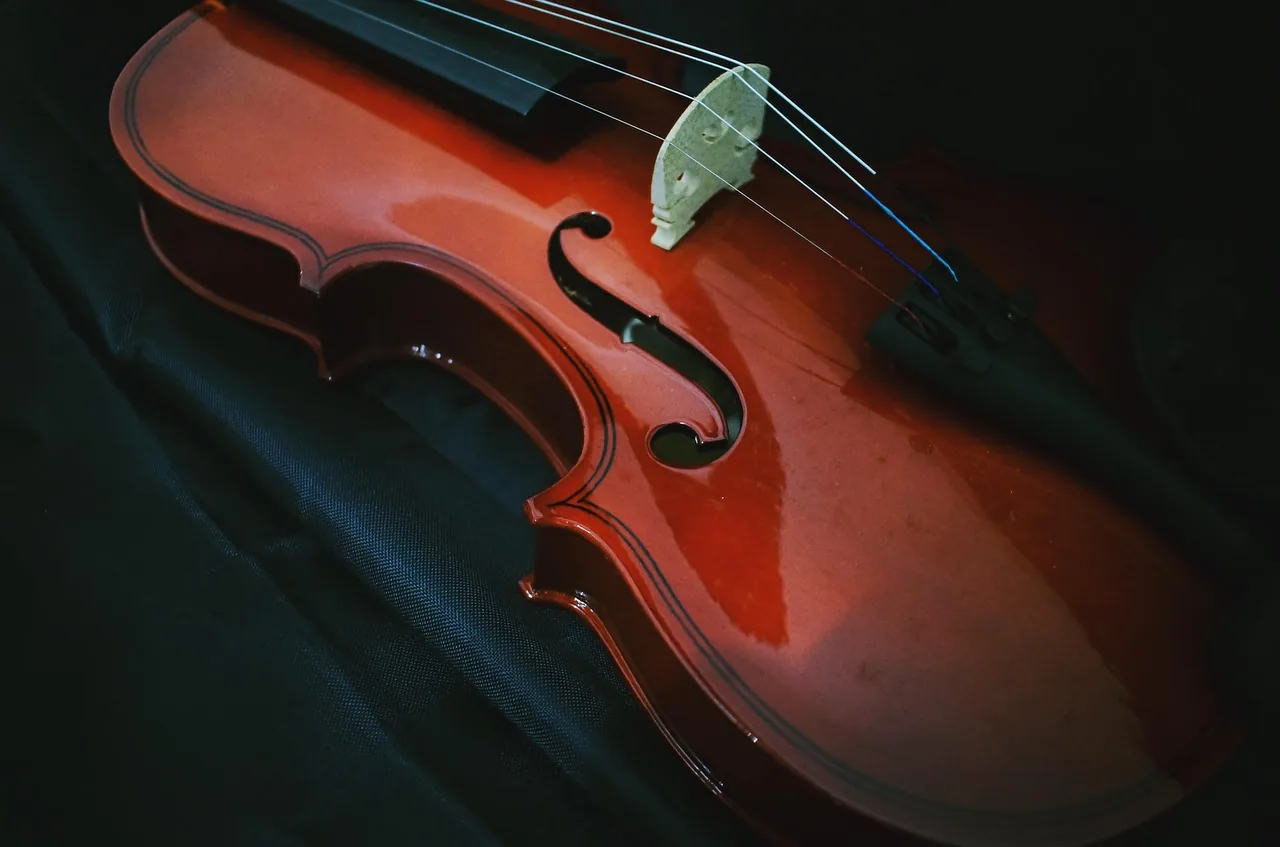
The 4/4 violin, also called a full-size violin, is the standard size for most adults and adolescents who are large enough to play one comfortably. Its popularity means there is a particularly wide selection on the secondhand market. Yet two instruments that look comparable can prove very different once the bow touches the strings. Brand and appearance alone are therefore not enough to make a choice.
Check that a full-size violin really fits the player
Before comparing models, make sure the instrument is the right size. A 4/4 violin is generally intended for adults and adolescents who are large enough to play one, but age alone is not a reliable guide. Arm length, build and playing comfort also matter.
An instrument that is too large can lead to poor posture and make some movements difficult. Before buying a used full-size violin, check that it truly suits the player’s build. If in doubt, a violin teacher’s advice is valuable.
With a used violin, condition matters as much as brand
A familiar label may be reassuring, but it says nothing about how the violin has been stored or maintained. Before buying, pay particular attention to the condition of the body, any significant cracks, the fingerboard, pegs, bridge and tailpiece.
The setup directly affects playing comfort. Pegs that are hard to turn make tuning difficult, while a poorly positioned or warped bridge can affect how the instrument works. Examine the strings too: replacing them adds to the cost and can noticeably change the violin’s response.
If a bow comes with the violin, it deserves inspection as well. Its condition, the tension of its hair and its balance all affect playing comfort. The aim is not to find a flawless-looking set, but to distinguish ordinary signs of use from faults that could cause expense or hinder the player.
The value of an inspected and prepared instrument
A used instrument is particularly appealing when it has been checked before resale. A properly prepared violin lets the player get started in good conditions without immediately needing several adjustments or replacement parts.
For a student or an adult returning to the violin, this preparation is far from incidental. An instrument that is easy to tune, comfortable under the fingers and properly set up makes daily practice easier and lets the player focus more on the music.
It helps to distinguish cosmetic condition from working condition. A few superficial marks do not prevent a violin from doing its job perfectly well. Conversely, an instrument that looks immaculate is not necessarily ready to play. On the secondhand market, the quality of the setup can matter more than appearance.
When choosing a used instrument, look beyond the asking price and find out what checks have been carried out, how the instrument has been prepared and what condition it is actually in at the time of sale.
Used or new: compare instruments with equivalent setups
A new violin naturally has advantages, but buying used may give you access to a more appealing model within a given budget. The comparison must take the setup into account. A cheaper used violin that soon needs new strings, a bridge or various adjustments can lose much of its price advantage.
Conversely, a carefully selected used instrument that is ready to play can be a sensible way to progress without increasing your budget. Compare both the purchase price and what is actually included when the player begins using the instrument.
Prioritize the overall balance over any single criterion
There is no ideal full-size violin for every player. The right choice balances playing level, build, budget, condition and quality of preparation. Model and brand matter, but they need to be considered alongside these other factors.
Whether buying a first violin or moving to a better instrument, examining these criteria makes it easier to approach the secondhand market with confidence and choose a violin that truly suits its intended use.