
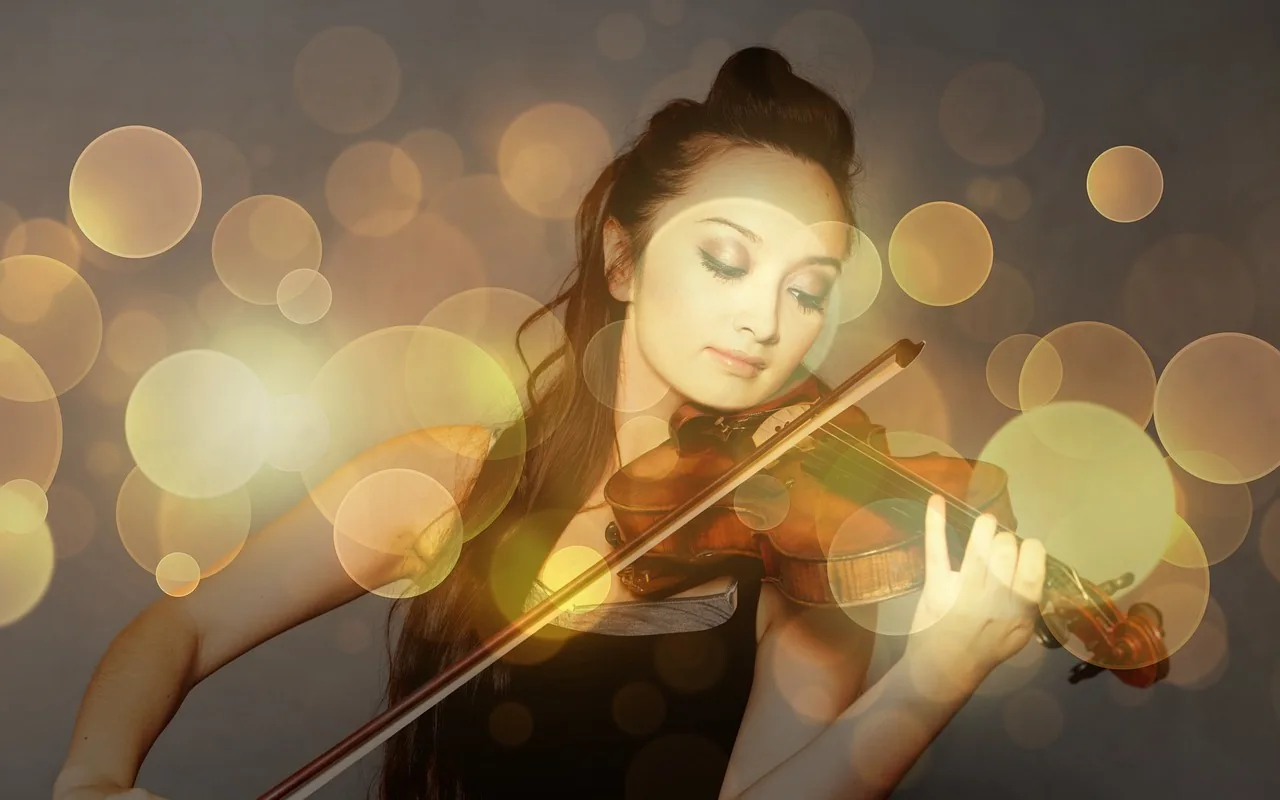
Brought together by our shared love of music, we founded Quatuor Antares. Drawing on our varied expertise, we share our passion for string instruments on this blog.
What you’ll find
Quatuor Antares: a passionate exploration of the world of string instruments. Discover, learn, and share the harmony.
Tutorials and tips
Instrument reviews
A community of enthusiasts
What are the different types of string instruments?
String instruments produce sound through the vibration of their strings. They come in a wide variety of shapes, sizes, and sounds, offering an unparalleled range of musical possibilities. Here are the main types of string instruments:
The violin : With its expressive tone and versatility, the violin is one of the orchestra’s most iconic instruments. It has four strings tuned in fifths and is played with a bow.
The viola : The viola is slightly larger than the violin and produces a deeper sound. Its rich, warm tone is often used to add harmonic depth to the orchestra.
The cello : Larger than the viola, the cello has a deep, expressive sound. It is often used to play rich melodies and powerful bass lines in the orchestra.
The double bass : The largest and lowest-pitched of the orchestra’s string instruments, the double bass provides the ensemble’s rhythmic and harmonic foundation. Its deep tone and versatility make it an essential part of the orchestra.
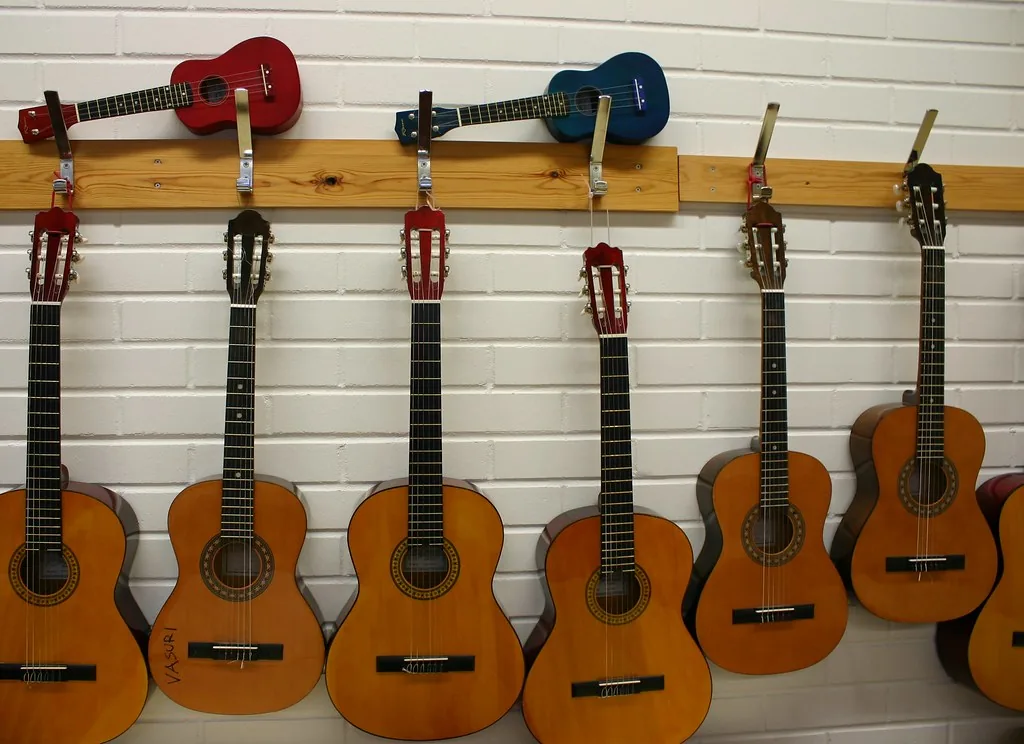
The guitar : With its six strings and stylistic versatility, the guitar is one of the world’s most popular instruments. From classical music to rock, jazz, and folk, it offers endless possibilities for sound.
The piccolo cello : Smaller than a traditional cello, the piccolo cello is often used for virtuosic solo passages and special effects in the orchestra.
The harp : Although often considered a plucked string instrument, the harp also uses strings stroked with the fingers to produce sound. Its ethereal tone and lyrical character make it an enchanting addition to any musical ensemble.
Each type of string instrument brings its own color and character to music, giving composers and performers an endless palette of sounds to explore.
What are the main parts of a string instrument?
String instruments are intricate works of musical craftsmanship. They consist of several essential parts that work together to produce harmonious, melodic sounds. Here are the main parts shared by most string instruments:
- The body: The body is the main structure of a string instrument and houses its other components. Its shape and size vary by instrument and influence its tone and sound projection. The materials used to make it can also affect the sound, particularly woods with different densities and acoustic properties.
- The neck: The neck is the part of a string instrument where the musician presses the strings to produce different notes. It usually has frets (on most plucked string instruments, such as the guitar) or markers that help the player find the notes. The neck may be made of wood or other durable materials.
- The bridge: The bridge is an essential piece located on top of the instrument’s body, directly beneath the strings. It transfers the strings’ vibrations to the body, amplifying the sound. Often made of hardwood, it is carefully adjusted to ensure the vibrations are transmitted effectively.
- The strings: The strings are the instrument’s main vibrating components. Stretched between the bridge and the head, they produce sound when plucked, bowed, or struck. They are made from various materials, including nylon, metal, and gut, each with its own sound characteristics.
- The head: The head of a string instrument is at the end opposite the bridge and houses the string-adjustment mechanisms, such as tuning pegs or machine heads. These allow the musician to adjust string tension and tune the instrument to the desired pitch.
Together, these parts form a functional, harmonious string instrument that lets musicians express their creativity and passion through music.
Playing techniques for producing different sounds
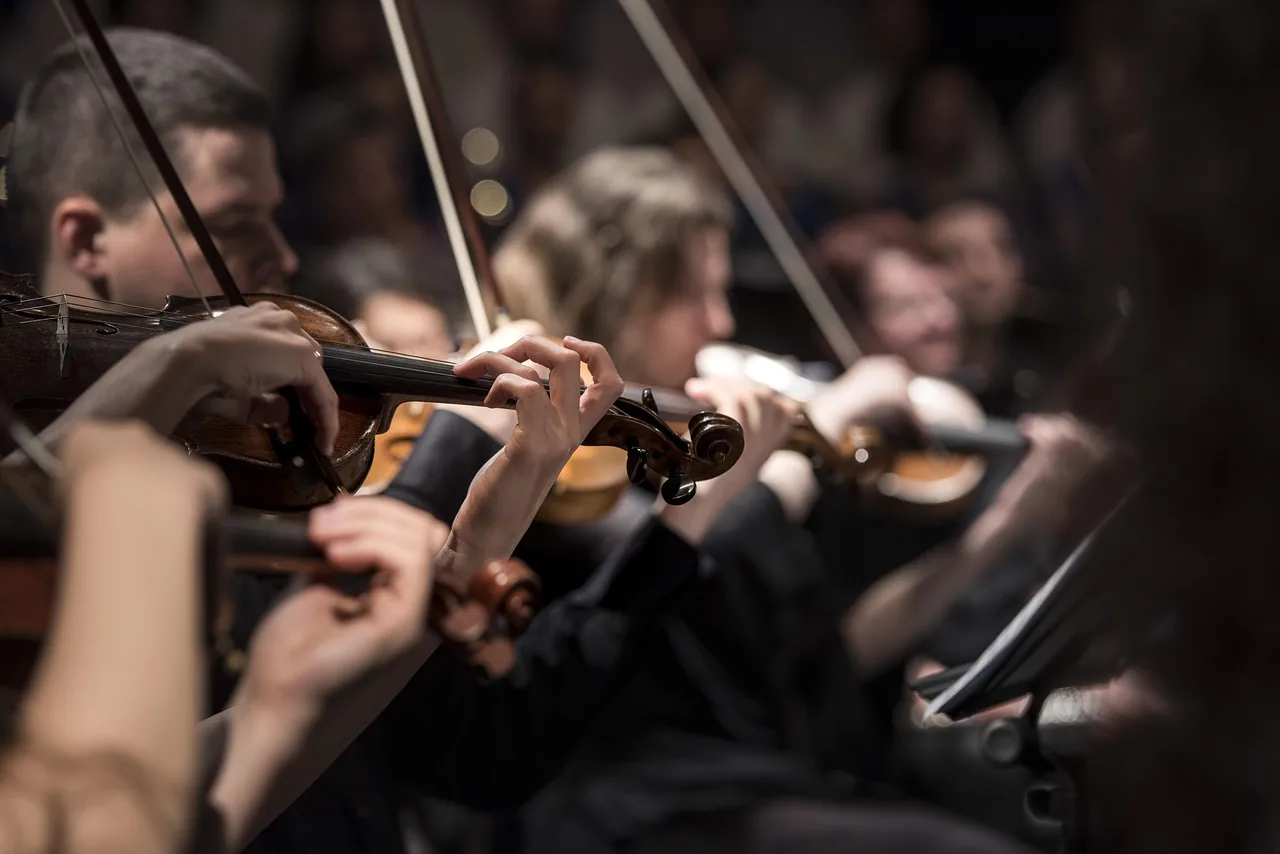
String instruments offer a variety of playing techniques that let musicians explore a wide range of expressive sounds and musical textures. Here are some of the most common:
- Pizzicato: This technique involves plucking the strings with the fingers instead of bowing them. It produces a short, percussive sound often used to create rhythmic accents or special effects.
- Arco: This technique involves drawing a bow across the strings, producing a smoother, more sustained sound than pizzicato. Musicians can vary the bow’s pressure, speed, and position to control the sound’s tone and articulation.
- Vibrato: Vibrato adds expression to a sound by slightly varying the pitch of a note. The musician rapidly rocks the finger pressing the string, creating a subtle modulation effect.
- Harmonics: Harmonics are sounds produced by lightly touching a string instead of pressing it against the fingerboard. This technique creates pure, crystalline tones often used for special effects or atmospheric passages.
- Tremolo: Tremolo involves rapidly playing repeated notes, alternating between two adjacent strings. It creates a vibrant, restless texture often used for dramatic or lyrical effects.
- Glissando: Also called a slide, this technique involves moving a finger along the string to create a smooth transition between notes. It produces a rising or falling effect that adds fluidity to the music.
- Pedals: On plucked string instruments such as the harp, pedals change the pitch of the strings while playing. They give musicians access to a wider range of notes and harmonies.
These playing techniques give musicians a broad range of expressive possibilities. They allow performers to create subtle nuances, rich textures, and deep emotion in their music.