

Choosing a violin bow is essential for musicians. Whether you are a beginner or an experienced player, the bow plays a crucial role in sound quality. Consider the different types of bows, their materials and their features to find one that suits you.
Violin bows generally weigh around 60 grams, making them comfortable to handle. They require quality materials, such as pernambuco. A well-chosen bow can improve your playing.
Beginners and experienced musicians alike should examine a bow’s weight, balance, camber and tension. The quality of the hair is also crucial. Prices vary widely, from under €50 to several thousand euros. Our advice will help you find the right bow.
Why the bow matters when playing the violin
Choosing a good bow is crucial for every violinist, whether a beginner or an advanced player. The bow strongly affects the sound you produce. Its quality also affects the way you play. When choosing, consider size, material, price, handling and weight. Guides such as this violin bow guide offer useful advice.
A bow’s quality depends partly on its material, such as pernambuco or carbon fiber. Wooden bows are prized for their warm sound. Carbon fiber bows are valued for their durability. A bow weighs about 60 grams on average, and the density of its wood affects its sound.
When choosing a bow, examine its balance, weight, hair quality, curve, flexibility and durability. Try it on your own violin: the same bow can sound different with different instruments. Consider its quality and the advice you receive to find the right one.
Materials used to make violin bows
Several materials are used to make violin bows. Carbon fiber bows are lighter and more durable. They can suit players seeking a professional violin bow: they produce a quality sound and last well.
Beginners often appreciate fiberglass bows. They cost less and are easy to find. A fiberglass beginner violin bow lets you learn without spending too much.
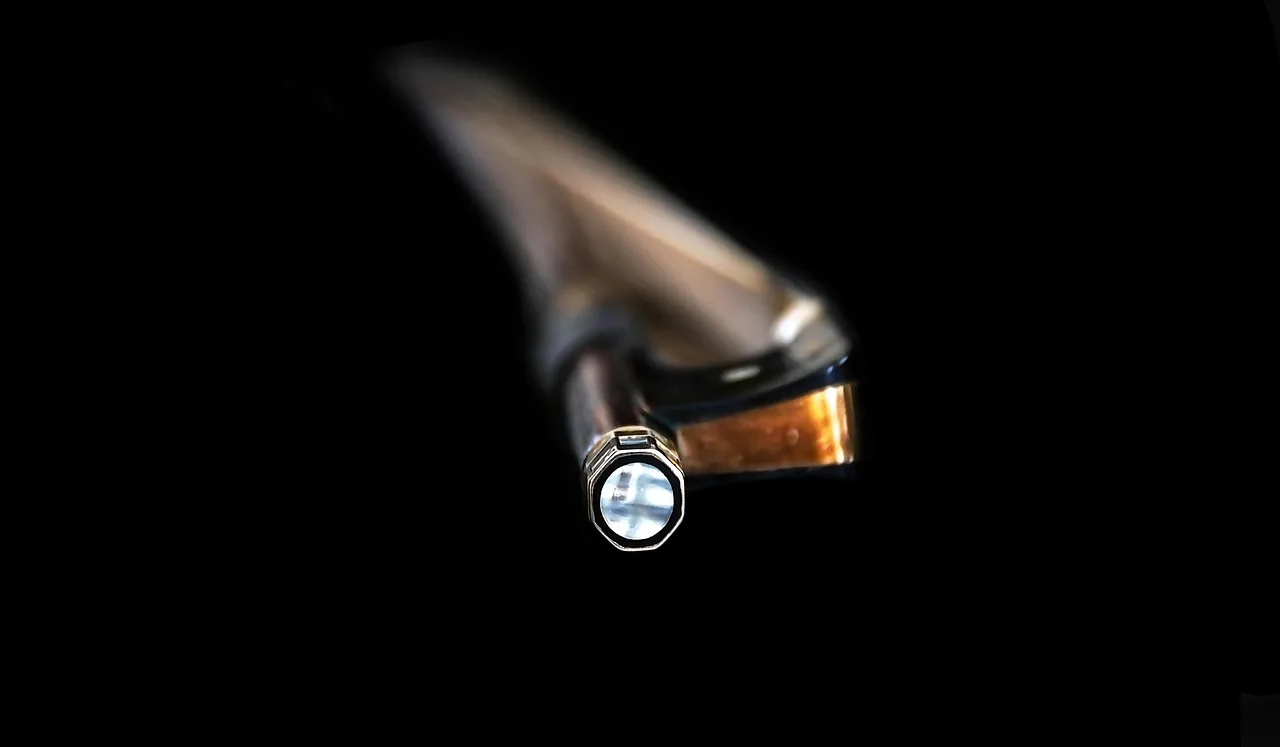
Bow materials range from traditional wood to modern composites. Brazilian wood, such as pink ipê, is valued for its stiffness. Quality fittings, including nickel silver fittings, add to a bow’s value.
Your choice of material depends on several factors, including your playing level, budget and preferences. Whether you want a professional violin bow or a beginner violin bow, finding one that meets your needs is crucial. It will help you get the best possible playing experience.
Technical features of a good bow
A good violin bow needs certain technical features to produce a high-quality sound. To test a violin bow, consider bow selection criteria such as weight, balance, camber and tension.
Weight and balance
A violin bow can weigh between 59 and 60 grams. A bow that is too light may bounce unevenly, while one that is too heavy may be difficult to handle. It is important to find a balance between the bow’s weight and the strength of your hand.
Camber and tension
The bow’s camber and tension also matter. The stick should be curved when the bow is loosened and should not become straight when it is tightened. This helps maintain suitable tension and produce a high-quality sound.
In summary, the technical features of a good violin bow include:
- A weight between 59 and 60 grams
- A balance between the bow’s weight and the strength of the hand
- Suitable camber and tension
- A stick made from pernambuco or Brazilian wood
| Feature | Description |
|---|---|
| Weight | 59 to 60 grams |
| Balance | Balance between the bow’s weight and the strength of the hand |
| Camber and tension | A stick that is curved when the bow is loosened and does not become straight when it is tightened |
Violin bow: how to choose one for your playing level
Choosing the right violin bow is essential to improving your playing. Whether you are a beginner, an intermediate player or a professional, you need a bow suited to your level. A guide to choosing a violin bow can help you decide.
Fiberglass bows are a good option for beginners. They are affordable and durable. Intermediate violinists may prefer lightweight, durable carbon fiber bows. Professionals often choose wooden bows, especially those made from traditional pernambuco.
Options for beginners
- Fiberglass bows: affordable and durable
- Carbon fiber bows: a good balance of strength and weight
Choices for intermediate violinists
- Carbon fiber bows: produce a rich, balanced sound
- Wooden bows: may suit intermediate violinists looking to improve their sound
Professional bows
Professional bows are made from high-quality materials such as pernambuco. They produce a rich, balanced sound. A professional violin bow is ideal for developing your playing and technique.
| Bow type | Material | Price |
|---|---|---|
| Fiberglass bow | Fiberglass | Affordable |
| Carbon fiber bow | Carbon fiber | Mid-range |
| Wooden bow | Wood, particularly pernambuco | High |
Essential criteria for testing a bow
Choosing a violin bow matters to every violinist, beginner or experienced. To test a bow effectively, assess its sound quality, ease of playing and durability. You can learn more about the criteria for choosing a bow online.
Keep these points in mind when testing a bow:
- The quality of the sound the bow produces
- How easy the bow is to play and handle
- The bow’s durability and resistance to wear

By applying these bow selection criteria and testing several bows, you can find one that suits you. A guide to choosing a violin bow can also help. Ask experts for advice and read other violinists’ experiences before deciding.
Budget and investment: how much should you pay for a bow?
Choosing a professional violin bow involves several considerations. Budget and investment are especially important. Work out a fair price for a quality bow based on your needs and playing level.
A guide to choosing a violin bow can be very useful. Bow prices vary widely, from a few dozen euros for beginner models to several hundred euros for better ones.
It is crucial to examine a bow’s technical features. Its weight, camber and hair quality affect its price. A violin bow weighs around 60 grams on average, compared with 70 grams for a viola bow.
Beginner violin packages are another option. Their prices range from €398.00 including tax to €1,700.00 including tax. Compare them to find the one that best fits your needs and budget.
Consult this guide to learn more about packages and bows. It also offers advice on choosing a bow that suits you.
| Package | Price |
|---|---|
| Beginner violin package | €398.00 including tax |
| Higher-level beginner cello package | €1,700.00 including tax |
Conclusion: make the right choice for your playing
Choosing the right violin bow is crucial to improving your playing. Studies show that holding and using the bow properly makes a major difference: it can improve your sound, make playing easier and reduce muscle pain.
Nearly 90% of violinists believe that the way they hold the bow is very important. It helps them produce a rich, powerful sound.
Following this guide will help you find your ideal bow. Whether you are a beginner, an intermediate player or a professional, this advice will help you choose a bow suited to your level and needs.