
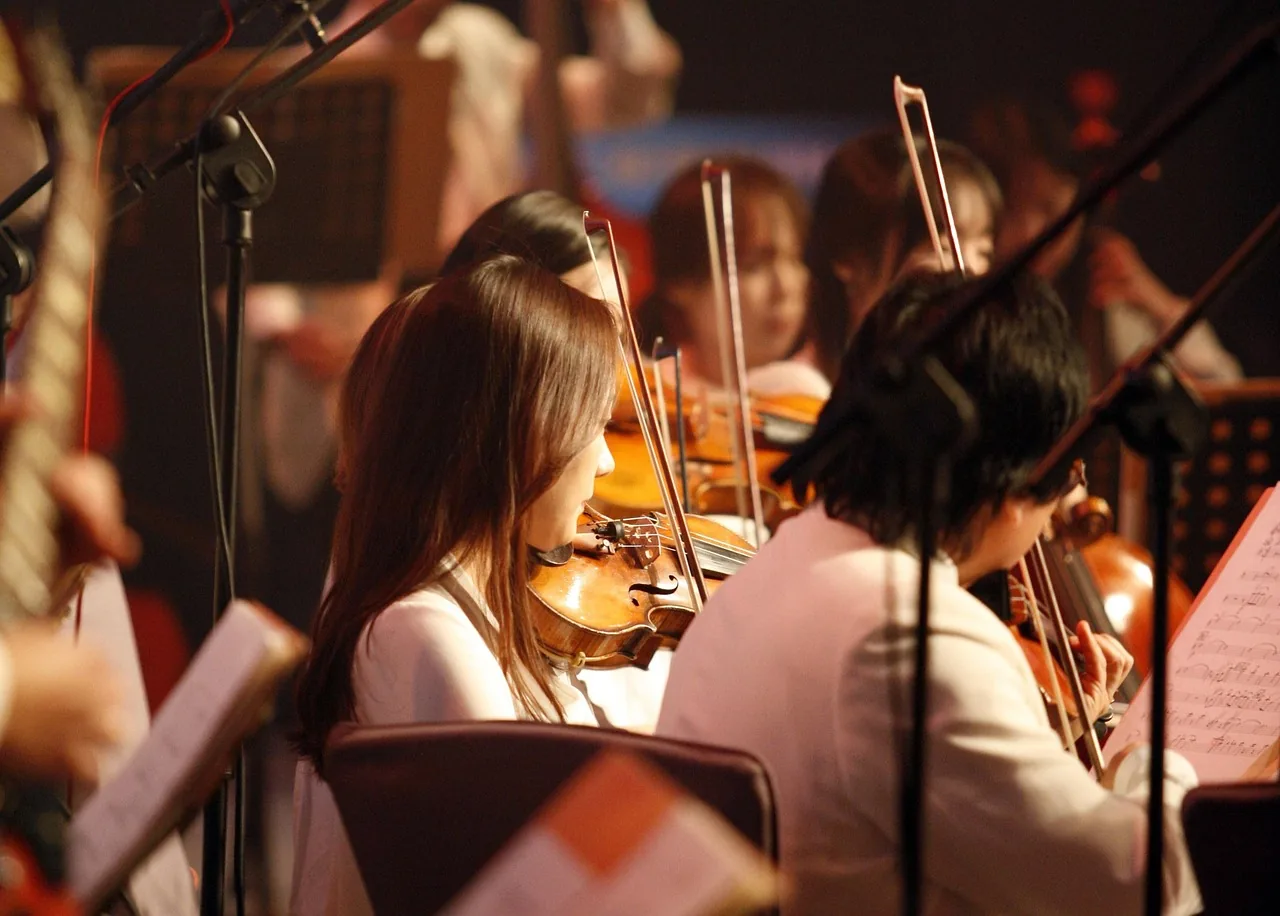
Baroque music is characterized by its use of a variety of string instruments, which play an essential role in creating rich, expressive sounds. Bowed string instruments, such as the viola da gamba and the Baroque violin, as well as plucked string instruments, such as the lute and the Baroque guitar, were particularly important during this period. These instruments underwent technical developments and were widely used by Baroque composers to create complex harmonies and moving melodies.
Explore the diversity of string instruments in Baroque music and their contribution to this repertoire.
Bowed string instruments
Bowed string instruments play a central role in Baroque music. The viola da gamba, whose various sizes range from the bass viol to the alto viola da gamba, was widely used in the Baroque repertoire. Members of the violin family, such as the violin and viola, as well as the cello and double bass, were also indispensable instruments of the period. These instruments were played with a bow and were refined by renowned instrument makers such as Amati, Guarnerius and Stradivarius. Their rich, expressive sound helped shape Baroque music.
“Baroque music reached new heights through the use of bowed string instruments. Their warm sounds and expressiveness brought captivating emotional depth to the music.”
Among the bowed string instruments popular in Baroque music, the viola da gamba holds a prominent place. This instrument has six or seven strings and is played resting between the knees, with a bow drawn across its strings. The viola da gamba was used in a wide variety of Baroque compositions, lending them a melodious, expressive sound.
Members of the violin family, such as the violin and viola, are also essential instruments in Baroque music. The Baroque violin, with its bright timbre and expressive sound, was used both as a solo instrument and within the orchestra, helping to create vibrant, passionate melodies. The viola, larger than the violin, added further richness to Baroque music through its lower, deeper melodic lines.
“Bowed string instruments were shaped by talented makers who refined their construction and sound. Instruments made by Amati, Guarnerius and Stradivarius are still sought after today for their quality and Baroque authenticity.”
Combining the viola da gamba, violin and viola in Baroque music made it possible to create varied, emotionally charged textures. Together, they produced enchanting melodies, complex harmonies and rich counterpoint that define the music of the period.
| Popular bowed string instruments in Baroque music | Image |
|---|---|
| Viola da gamba | |
| Baroque violin | |
| Baroque viola |
|
Bowed string instruments continue to be used today to perform the Baroque repertoire. Their distinctive sound and timeless expressiveness make them an essential part of early music, allowing contemporary listeners to experience the emotion and beauty of Baroque music.
Plucked string instruments
Plucked string instruments also played an important role in Baroque music. The lute, a plucked string instrument of Arab origin, had been used since the Middle Ages and continued to evolve during the Baroque period. It was widely used in the Baroque repertoire and was highly valued by composers and performers of the time. The Baroque guitar, which emerged during the Renaissance, was also used in Baroque music.
These instruments brought distinctive sounds and helped enrich the musical repertoire of the period.
Characteristics of the Baroque lute:
- Crescent-shaped form
- Rounded body with wooden ribs
- Variable number of strings
- Short neck with gut or metal frets
Characteristics of the Baroque guitar:
- Smaller, lighter body than that of the modern guitar
- Variable number of strings
- Shorter neck with gut frets
- Baroque-style headstock
Wind instruments in Baroque music
Alongside string instruments, Baroque music also made use of wind instruments. Recorders of different sizes, including bass, tenor and alto recorders, were commonly used to create melodies and harmonies. The oboe, with its gentle, distinctive sound, also played an essential role in the Baroque orchestra. The cornett, a wind instrument with a wooden body, brought a distinctive sound and was used for solo parts in some Baroque compositions. These wind instruments added a variety of timbres and contributed to the musical richness of the Baroque period.
Recorders
Recorders are popular wind instruments that played a key role in Baroque music. They were often used to create delicate, expressive melodic lines. Different sizes of recorders, including bass, tenor and alto, allowed composers to vary the range and character of their compositions. These wind instruments were especially valued for their gentle, warm sound.
The Baroque oboe
The Baroque oboe is a woodwind instrument that played a central role in Baroque music. Recognizable by its clear, expressive sound, it was often used for solo parts and joined other wind and string instruments in the Baroque orchestra. It brought a distinctive color to Baroque music, giving it a refined, elegant atmosphere.
The cornett
The cornett is a wooden wind instrument that was popular during the Baroque period. Its distinctive sound often made it suitable for solo parts in Baroque compositions. The cornett produced a powerful, expressive sound, similar to that of a trumpet but softer and warmer. Baroque composers valued the dramatic accents it added to their works.
| Wind instruments in Baroque music | Uses |
|---|---|
| Recorders | Creating expressive melodies and harmonies |
| Baroque oboe | Solo parts and enriching the Baroque orchestra |
| Cornett | Dramatic accents and solo parts |
String instruments in the Baroque orchestra
The Baroque orchestra comprised different families of instruments, but strings played a central role. The violin, viola, cello and double bass formed its backbone, bringing richness, depth and expressiveness to the music.
The viola da gamba and lute also accompanied the string section, enriching and diversifying the ensemble’s musical textures. These string instruments were designed to bring out the expressive qualities needed to perform emblematic Baroque compositions.
The Baroque orchestra embodied the essence of the music of its time through its rich, captivating sounds. It allowed composers to bring their works to life while offering listeners a distinctive musical experience.
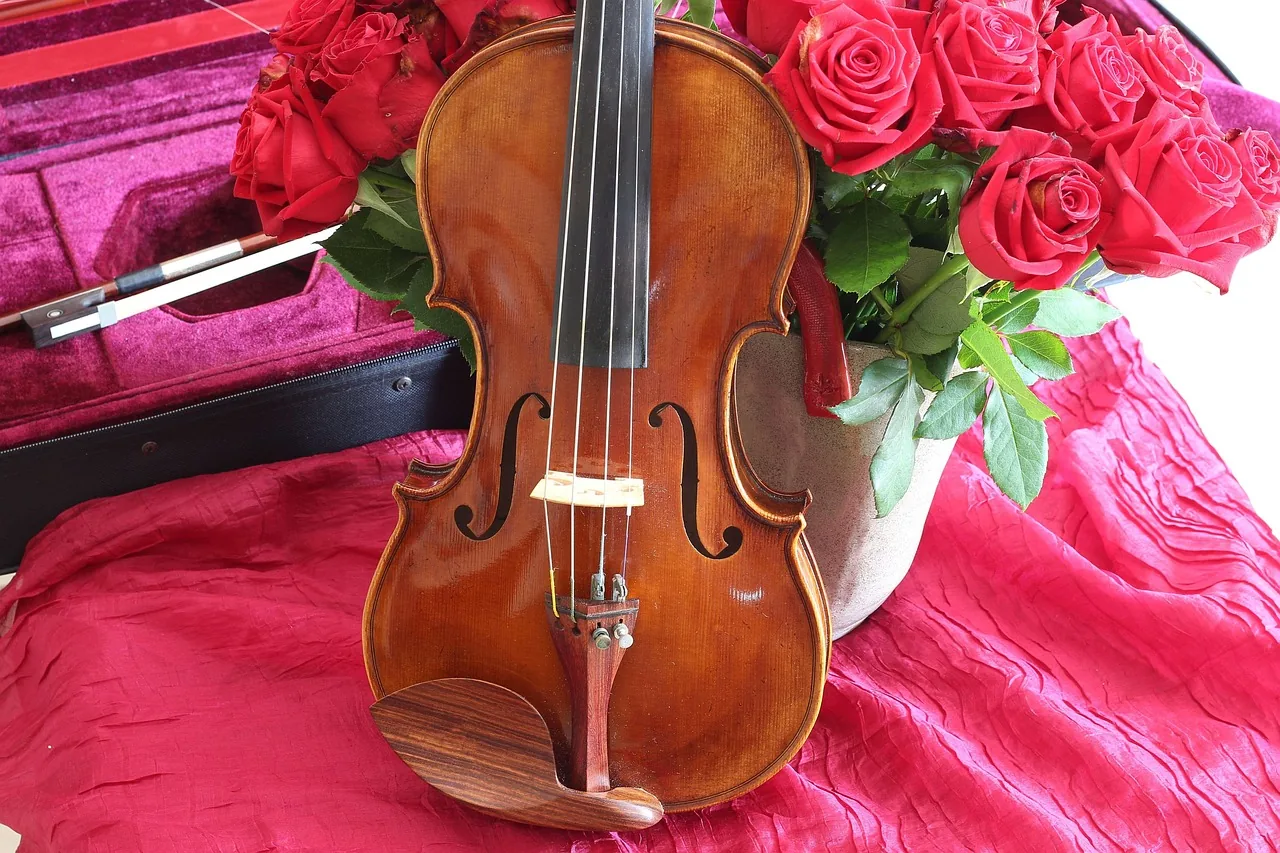
String instruments in the Baroque orchestra:
| Instruments | Roles |
|---|---|
| Violin | Provides the main melody and virtuoso solos. |
| Viola | Enriches the harmonies and inner voices. |
| Cello | Provides a warm sound and the basso continuo. |
| Double bass | Provides a solid foundation for the ensemble. |
| Viola da gamba | Strengthens the inner voices and adds a distinctive timbre. |
| Lute | Adds a gentle texture and offers possibilities for polyphonic accompaniment. |
With its string instruments, the Baroque orchestra was a favored means of performing Baroque compositions. This ensemble allowed listeners to fully appreciate the complexity and beauty of the music of this fascinating period.
Composers and string instruments in Baroque music
Many Baroque composers wrote works specifically for string instruments. Major figures such as Jean-Baptiste Lully, Arcangelo Corelli and Antonio Vivaldi used them to create masterpieces of Baroque music. These composers explored their expressive possibilities by writing concertos, sonatas, suites and symphonies that highlighted their technical and emotional range. String instruments were often used to perform vibrant, passionate melodic lines that reflected the Baroque aesthetic.
Antonio Vivaldi’s “The Four Seasons” illustrates how Baroque composers used string instruments. This composition for solo violin and orchestra evokes the changing seasons through expressive melodies and virtuoso techniques. The violin takes the leading role, while the orchestra’s other string instruments add harmonic and rhythmic richness to the work.
“Baroque music creates a close connection between composers and string instruments. The expressive possibilities of these instruments inspired composers to create works of great beauty and emotional intensity.”
Baroque composers made full use of the technical capabilities of string instruments such as the violin, viola, cello and double bass to create intricate melodic lines and rich harmonies. They also used different bowing techniques and expressive effects, including trills, double stops and controlled vibrato.
Here are a few examples of works in the Baroque repertoire written specifically for string instruments:
| Composer | Work |
|---|---|
| Jean-Baptiste Lully | March for the Turkish Ceremony |
| Arcangelo Corelli | Concerto Grosso in D Major, Op. 6, No. 4 |
| Antonio Vivaldi | The Four Seasons |
These compositions demonstrate the importance of string instruments in Baroque music and their central role in composers’ artistic expression.
Baroque music and historically informed performance
Historically informed performance is an approach to Baroque music that aims to recreate works as they might have been played at the time. It emphasizes an accurate understanding of period performance practices and styles, and uses historical instruments or faithful reproductions of Baroque instruments.
This approach allows listeners to encounter Baroque music in a more authentic way, hearing its sounds and musical textures as they were originally conceived. Performers use historical instruments to recreate the aesthetic and subtleties of Baroque music, revealing its full splendor.
“Historically informed performance offers a distinctive view of Baroque music, bringing us closer to the sound that composers and musicians had in mind when creating these remarkable works.”
This approach requires thorough knowledge of period treatises, playing practices and techniques used by Baroque musicians. Performers draw on historical sources to inform their interpretations and adapt their playing accordingly. This helps listeners appreciate the subtleties and intentions of Baroque composers.
Historically informed performance also affects the Baroque repertoire. A better understanding of period performance practices enables performers to make more informed choices about ornamentation, phrasing and dynamics, bringing Baroque music to life with greater expressiveness.
Using historical instruments or faithful reproductions also helps create an authentic atmosphere in performance. The distinctive sounds of Baroque instruments add another dimension to the musical experience, transporting listeners to the period in which these works were created.
In conclusion, historically informed performance allows us to rediscover the authenticity and artistic richness of Baroque music. By using period instruments and drawing on a thorough knowledge of the era’s performance practices, musicians bring the Baroque repertoire to life and offer listeners an immersive, captivating musical experience.
Conclusion
String instruments hold an essential place in Baroque music and offer rich, expressive sounds. Violas da gamba, Baroque violins, lutes and Baroque guitars all played important roles in the Baroque repertoire, contributing a diversity of timbres and musical textures.
Baroque composers used these string instruments to create landmark works that brought out their technical and emotional capabilities. Historically informed performance allows us to rediscover Baroque music in its authenticity and splendor.
These string instruments continue to fascinate and inspire listeners around the world, testifying to the importance of Baroque music in music history. Their distinctive sounds invite us into a musical world rich in emotion and beauty.
FAQ
Which string instruments are used in Baroque music?
String instruments used in Baroque music include the viola da gamba, Baroque violin, lute, Baroque guitar and other similar instruments.
What role do string instruments play in Baroque music?
String instruments in Baroque music play a central role in creating rich, expressive sounds. They are used for melodies, harmonies and vibrant melodic lines.
Which bowed string instruments are used in Baroque music?
Bowed string instruments used in Baroque music include the viola da gamba and the Baroque violin.
Which plucked string instruments are used in Baroque music?
Plucked string instruments used in Baroque music include the lute and the Baroque guitar.
Which wind instruments are used in Baroque music?
Wind instruments used in Baroque music include recorders, the Baroque oboe and the cornett.
How are string instruments used in the Baroque orchestra?
String instruments are an essential part of the Baroque orchestra. They form its backbone and are often joined by the viola da gamba and lute to enrich the musical textures.
Which composers wrote works for Baroque string instruments?
Composers such as Jean-Baptiste Lully, Arcangelo Corelli and Antonio Vivaldi wrote works specifically for Baroque string instruments.
What is historically informed performance in Baroque music?
Historically informed performance is an approach to Baroque music that aims to recreate works as they might have been played at the time. It involves using period instruments or faithful reproductions.