

Scales are crucial for violinists of every level and style. To understand how to play scales on the violin, you need to know the basics. Websites offer a good introduction to why scales matter and how to get started.
The major scale consists of two tetrachords with specific intervals. Violinists can play scales using four finger patterns. This lets them play without shifting position. Scale playing techniques improve technique and musicality.
Before playing a piece, violinists often change keys. This helps them learn scales. With regular exercises, finger patterns become automatic, making improvisation easier. To understand how to play scales on the violin, it is essential to grasp their purpose and practise scale playing techniques.
The importance of scales in learning the violin
Scales are basic exercises for musicians. Practising them repeatedly is much like an athlete’s training. The goal is consistent intonation across the instrument’s full range.
Musicians should aim for consistent tone, agility and strength. Scale playing techniques are crucial for improving pitch accuracy and intonation.
Violin scale exercises help you practise dynamics, from piano to fortissimo. Scales are essential for composing, especially for people who have not trained their ears.
It is advisable to vary the scales and play them at different tempos. This makes practice more effective.
- Improve pitch accuracy and intonation
- Help develop dynamic control
- Play a crucial role in composition
Scales are essential to learning the violin. Scale playing techniques must be mastered to improve pitch accuracy and intonation.
Preparation and correct posture for playing scales
To learn violin scales, good preparation is crucial. Poor posture can cause pain. Prepare properly before playing.
Here are some tips for positioning yourself correctly:
- Your feet should be parallel or turned slightly outward, about hip-width apart, for stability.
- Muscle engagement, especially in the abdomen, is essential for maintaining good posture.
- Your shoulders, arms and head should be aligned and level, despite the instrument’s asymmetry.
It is important to work on your posture and avoid bad habits. Young beginner violinists should devote 15 minutes a day to this, and other players 30 to 45 minutes. A warm-up session should last between 20 and 30 minutes. Prioritise quality and concentration over duration alone.
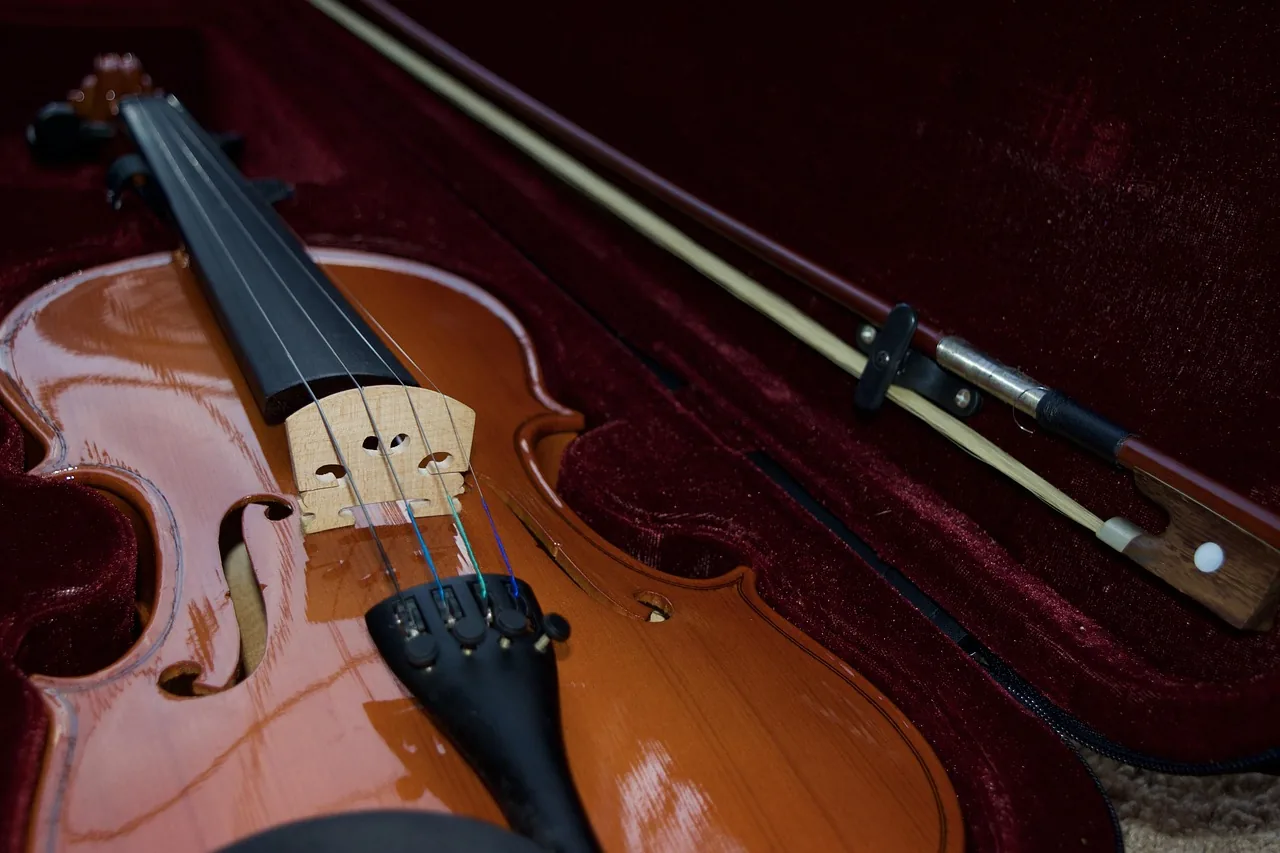
In short, good preparation and posture are essential to learning violin scales. With regular, focused practice, you will improve your skills.
| Advice | Benefits |
|---|---|
| Take time to prepare properly | Avoid pain and injury |
| Work on your posture | Improve stability and concentration |
| Practise regularly | Improve your skills and learn violin scales |
The fundamentals of violin scales
Scales are essential for every violinist, from beginner to expert. Fingerings for violin scales are key to producing a clear, accurate sound. There are several types of scales, including major and minor scales, used in various musical styles.
Major scales follow a specific pattern. For example, the C major scale contains the notes C, D, E, F, G, A and B. Minor scales follow a slightly different pattern. Mastering the fingerings is crucial to playing these scales accurately.
Violinists need to understand the structure of scales to play them correctly. Scales can be played in different positions on the violin’s fingerboard, so fingerings must be adapted. Through regular practice, violinists improve their technique and musicality.
Fingerings for violin scales vary according to musical style and personal preference. The fundamental principles of scales remain the same, however. Violinists need to master them to play confidently and accurately.
How to play scales on the violin: essential techniques
Scale playing techniques are crucial for every violinist, whether beginner or advanced. To play better, you need to understand the basics of scales and practise them often. You will find useful resources to improve your skills on this site.
Regular practice is essential for progress. Start with one-octave scales, then move on to two or three octaves. Bow technique matters too, as the right hand can present challenges.
Here are some tips for playing scales better:
- Start with one-octave scales, then move on to two or three octaves.
- Pay attention to bow technique, as the right hand can present challenges.
- Use a metronome to improve your rhythm and speed.
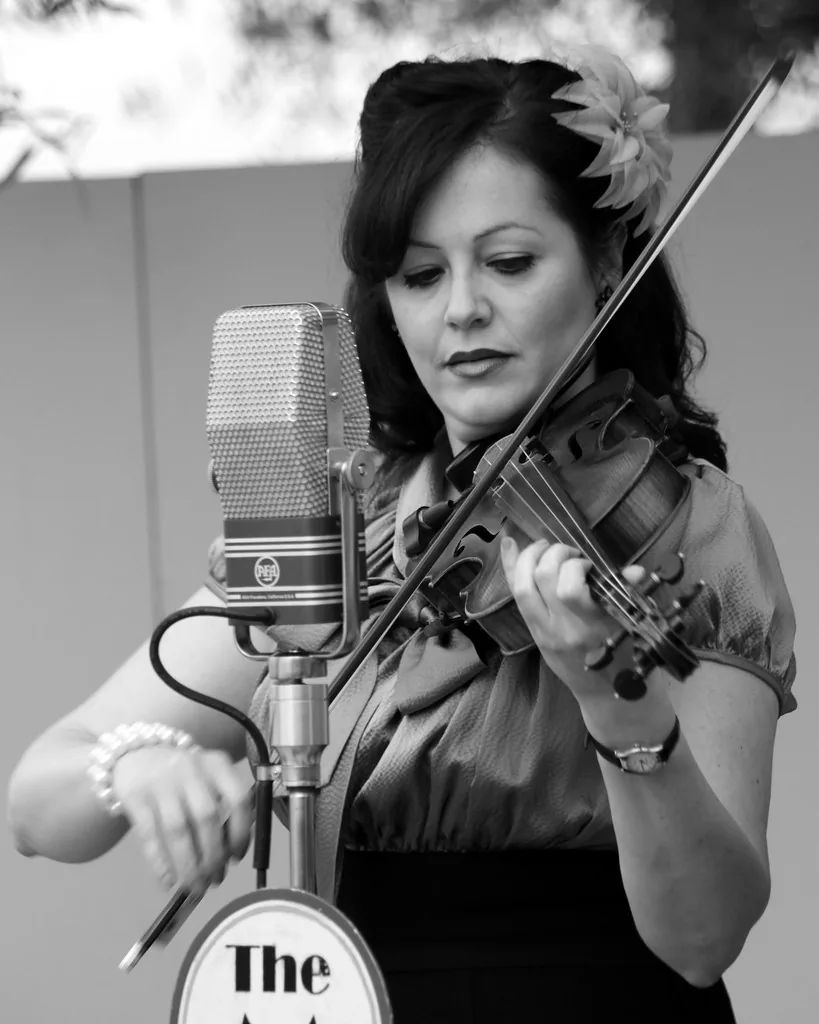
By following these tips and practising often, you will improve your technique. Focus on sound quality and let the violin resonate for better results.
Specific fingerings for each scale
Violin scale exercises require a good understanding of the fingering for each scale. According to websites, fingerings for one-, two- and three-octave scales are crucial. They help you play better and improve intonation.
Fingerings for one-octave scales are the simplest. You need to know where to place your fingers on the strings. For example, for a one-octave G major scale, you play: 0 on the G string, 1 on the A string, 3 on the A string, and so on.
Fingerings for two- and three-octave scales require greater precision. You need a solid command of the technique. Regular practice is essential for improving intonation and musicality.
Fingerings for one-octave scales
- 0 on the G string for G
- 1 on the A string for A
- 3 on the A string for B
Fingerings for two-octave scales
- 0 on the G string for G
- 1 on the A string for A
- 3 on the A string for B
- 0 on the D string for D
Fingerings for three-octave scales
- 0 on the G string for G
- 1 on the A string for A
- 3 on the A string for B
- 0 on the D string for D
- 2 on the D string for E
By practising scale exercises often, violinists can make progress. They improve their technique, intonation and musicality.
Practical exercises to improve your scales
To play the violin better, you need to practise often. Use these tips for practising violin scales. Start with simple scales, then try more complex ones.
Vary the ways you practise. Use an electronic tuner to improve your accuracy. This will help considerably.
Here are some tips for practising violin scales:
- Play scales at different speeds to improve your control and accuracy
- Practise exercises for accurate pitch and work on specific passages of a piece in shorter sessions
- Record your practice sessions to identify passages you find easy and those you find difficult
Explore online resources, such as this website. You will find advice and exercises to improve your scales. With practice and these tips for practising violin scales, you will make progress.
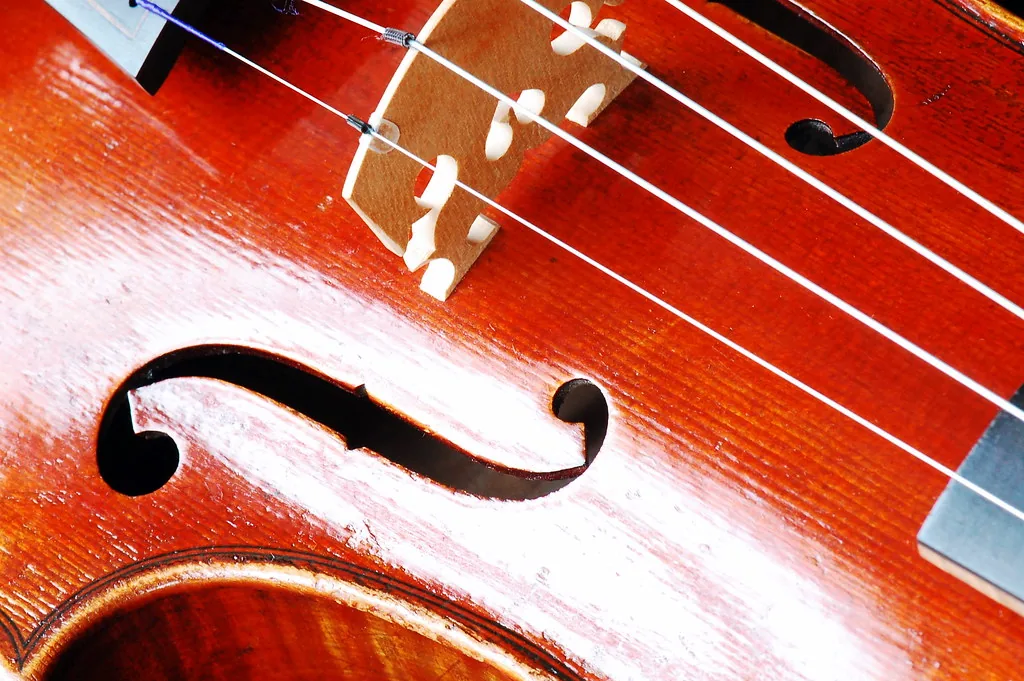
Common mistakes to avoid when practising scales
When learning violin scales, it is crucial to avoid mistakes that can slow your progress. Focus on posture, intonation and bow movement.
Here are some mistakes to avoid:
- Posture problems: poor posture can cause pain and make playing difficult.
- Intonation difficulties: inaccurate intonation can make music unpleasant to hear.
- Poor bowing habits: incorrect bow movement can cause problems with tone and rhythm.
By avoiding these mistakes and practising regularly, you can improve your scale playing techniques. You will become a more capable violinist. Remember to practise regularly to learn violin scales effectively.

Conclusion: making steady progress with scales
Regular scale practice is crucial for every violinist. Whether you are a beginner or experienced, a few minutes each day are essential. They can greatly improve your playing.
Focus on intonation, fluency and control of fingerings. Over time, you will notice clear progress.
Vary the scales, rhythms and patterns to stay motivated. Record yourself often to track your progress. With persistence and reflection, you will improve your technique. This will help you grow as a musician.
FAQ
Why are scales important for violinists?
How should you prepare and position yourself to play scales correctly?
What are the different types of violin scales?
What techniques are essential for playing violin scales?
What fingerings are used for each type of scale?
What practical exercises can improve your scales?
What common mistakes should you avoid when practising scales?
Source links
- https://www.thestrad.com/playing-hub/6-technical-ways-for-improving-your-practice/13579.article
- https://www.violinonline.com/oneoctavemajorscales.html
- https://www.abrsm.org/sites/default/files/2023-08/violin-practical-grades-initial-8-2020-2023-august-2021-update.pdf
- https://www.4a6cordes.fr/en/learning-to-play-the-violin-practical-tips-and-techniques/