
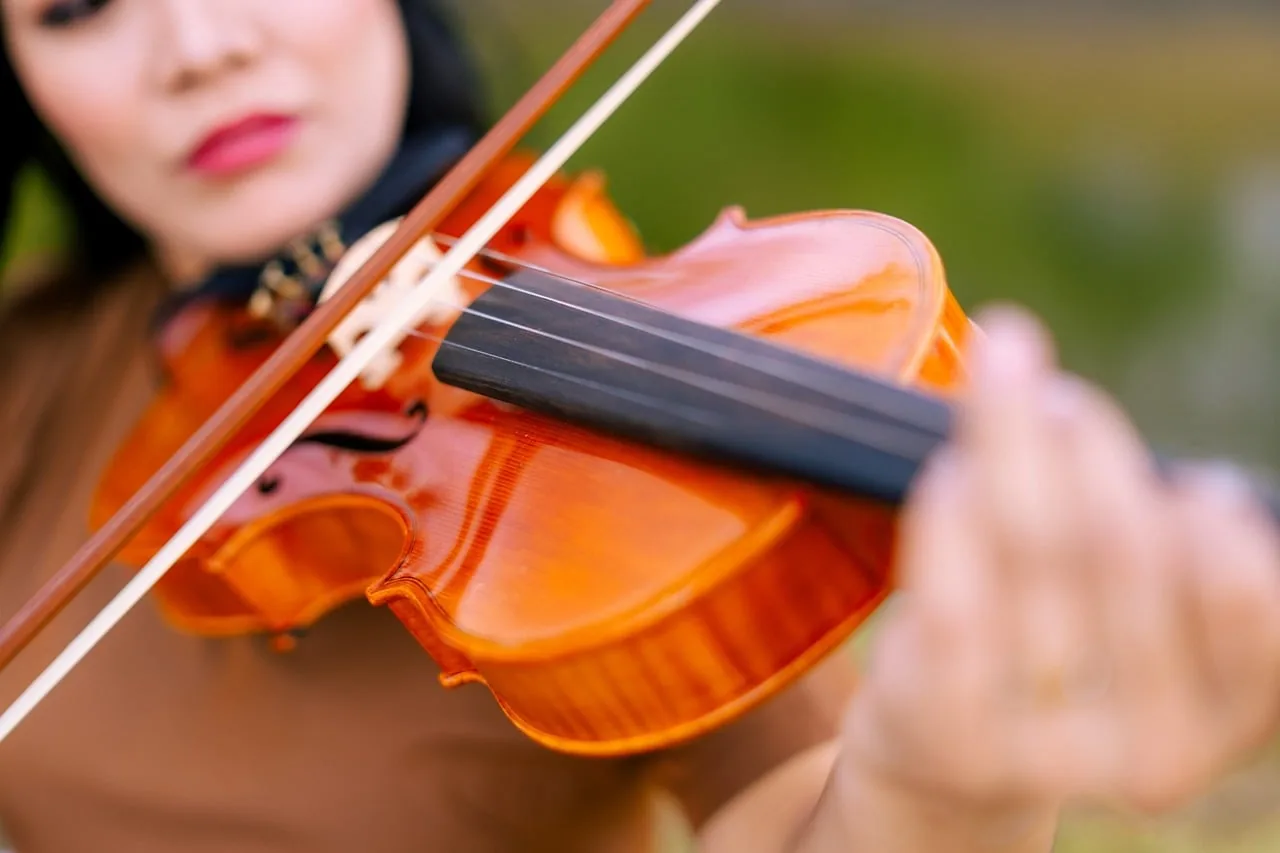
Vibrato plays a crucial role in violin music. It adds emotion and depth. To learn violin vibrato, you need to understand the basics and apply them well. It is a powerful means of expression that takes practice.
More than 360 people have already joined the free vibrato workshop. It will take place on Saturday, November 21, at 11 a.m. Paris time. This tutorial is designed to help you overcome difficulties with vibrato. You will have unlimited access to the videos, 24 hours a day, seven days a week.
You need to practice every day to improve. The exercises are suitable for everyone, including beginners. With this tutorial, you will learn vibrato and improve your playing, whatever your level.
Understanding vibrato: fundamental principles
Vibrato is crucial for violinists. It adds expression and depth to music. To perform it well, you need to understand the fundamental principles of vibrato. Several types of vibrato allow you to vary your musical expression.
To start learning, begin with simple exercises, such as breathing and vocal exercises. You also need to understand how to produce a clear, pure sound and control the speed and width of your vibrato.
- Wide vibrato: used for long, expressive notes
- Narrow vibrato: used for short, quick notes
- Variable vibrato: used to add variety and expression to music
In short, performing vibrato well requires an understanding of the fundamental principles of vibrato and knowledge of the different types of vibrato. This adds expression and depth to music.
Physical preparation for violin vibrato
Learning to play the violin requires good physical preparation. You need to develop strength and flexibility to play accurately. Specific vibrato preparation exercises can help.
Here are some key points to consider for physical preparation:
- Develop finger and wrist strength and flexibility
- Improve coordination between the hands
- Strengthen the back and shoulder muscles to maintain good posture
Physical preparation for vibrato should be tailored to each person, because everyone’s needs differ. Practicing regularly and listening to your body are crucial for avoiding injury and improving your technique.
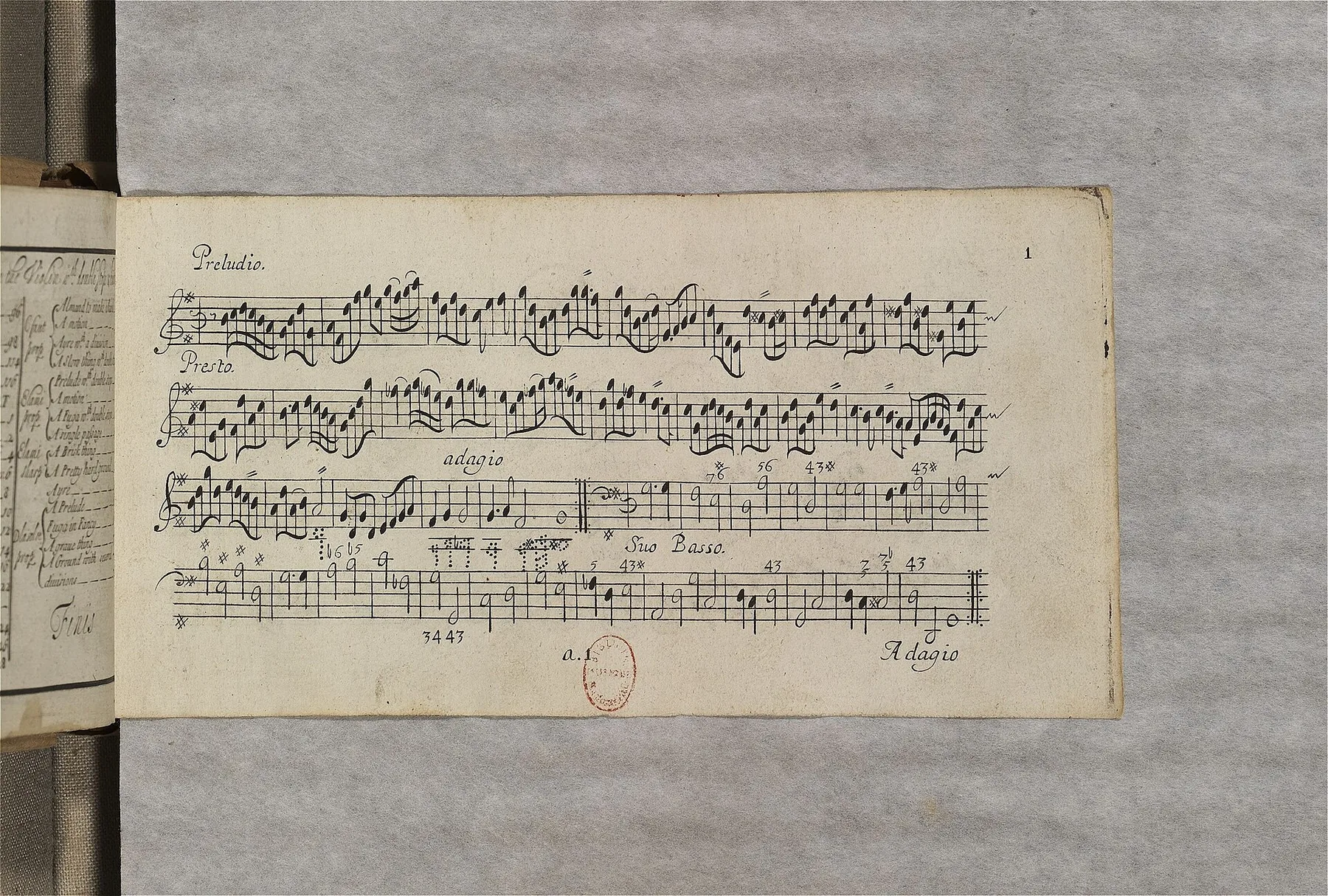
In short, physical preparation is essential to playing the violin well. By doing vibrato preparation exercises regularly, musicians can improve their playing and reach their goals.
| Exercise | Goal | Frequency |
|---|---|---|
| Wrist stretches | Improve flexibility | Every day |
| Finger-strengthening exercises | Strengthen the muscles | Three times a week |
Essential preparatory exercises
Vibrato preparation exercises are crucial. They help develop flexibility and strength, allowing you to play notes with accuracy and control.
Wrist flexibility is especially important. It allows you to make smooth, precise movements.
Violin lessons for children and adults emphasize basic movements without the bow. These movements help improve coordination and accuracy. They are essential to learning vibrato effectively.
- Wrist flexibility exercises
- Basic movements without the bow
- Exercises with the bow but without vibrato
These exercises strengthen the muscles and tendons. They allow you to play notes with accuracy and control and, in turn, master vibrato effectively.
Learn violin vibrato step by step
To learn violin vibrato, you need to hold the instrument properly. Your chin should rest on the chin rest, and your feet should be apart. This helps you keep your balance.
The vibrato motion takes coordination. You need to practice regularly to perform it well. Start with simple exercises and progress little by little.
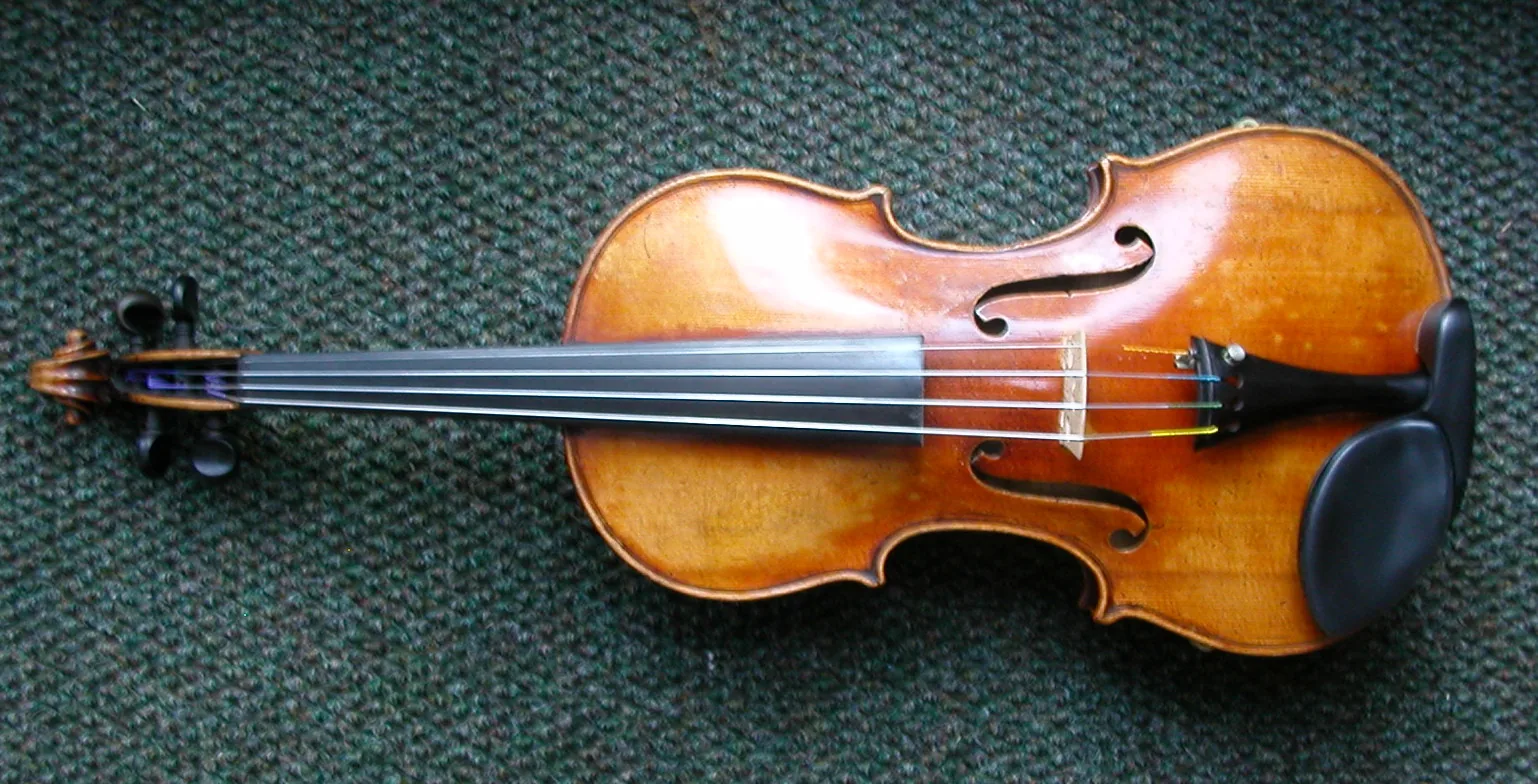
- Adopt the correct starting position
- Practice the basic vibrato motion
- Gradually move on to more complex exercises
| Step | Description |
|---|---|
| 1 | Correct starting position |
| 2 | Basic vibrato motion |
| 3 | Progression through practical exercises |
Common mistakes to avoid
Understanding the basics of violin vibrato is crucial to avoiding mistakes. Nearly 70% of beginners and intermediate students want to learn vibrato to play better.
Learning to relax your arms and hands is essential. This helps prevent tension while playing vibrato. Poor posture affects 60% of students, making practice difficult.
Here are some mistakes to avoid:
- Pressing too hard on the strings, which increases physical tension and reduces dexterity.
- Gripping the violin, which limits your ability to produce smooth vibrato.
- Neglecting the back-and-forth motion before refining your vibrato.
To learn violin vibrato and avoid these mistakes, visit jouer-du-violon.com. There you will find detailed instruction on vibrato.
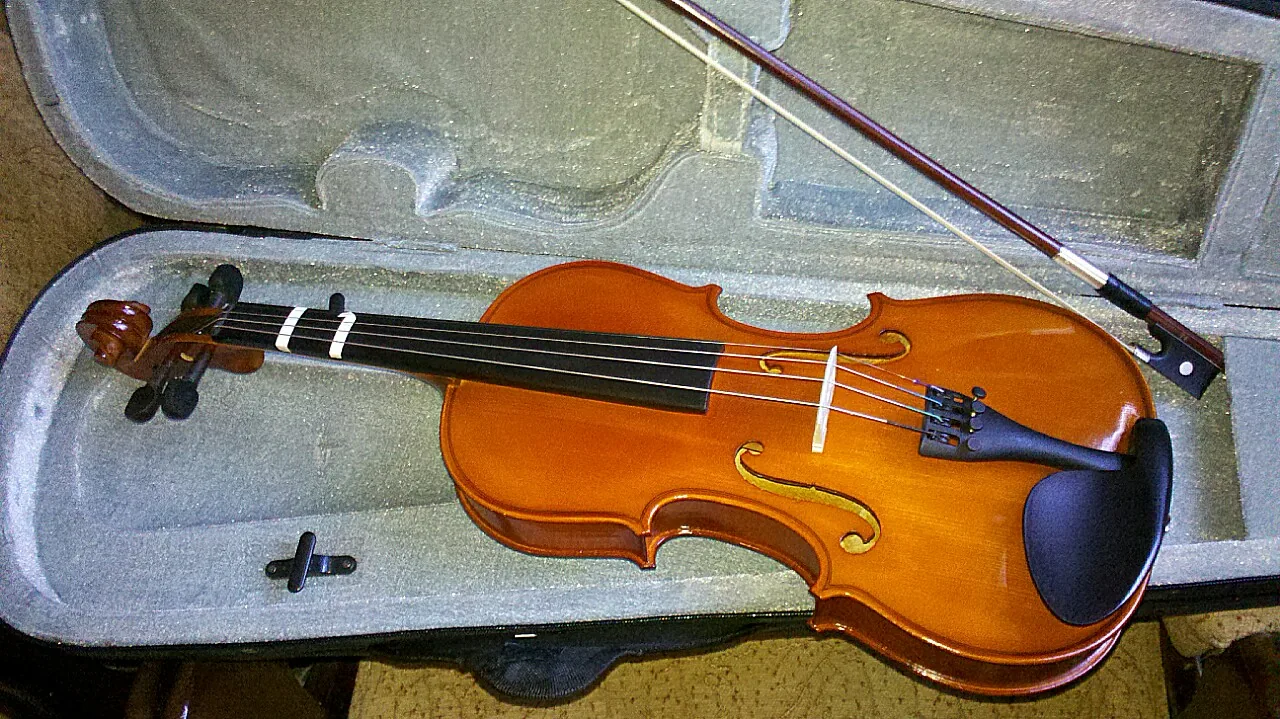
Refine your vibrato technique
To improve your vibrato, practice regularly. Vary its speed and width. Advanced exercises, such as finger vibrato, make your fingers faster and more agile.
Adapt the speed and width to the music. For example, slow vibrato suits sad melodies. Faster vibrato is better for cheerful melodies.
Regular practice and patience are crucial. Start with slow movements and gradually increase the speed. Also work on coordination between your left and right hands.

Online resources, such as videos, can help. Visit jouer-du-violon.com for advice and exercises.
Advanced exercises
- Finger vibrato: a back-and-forth movement that quickly produces a pleasing sound
- Wrist vibrato: quick, light movements for cheerful melodies
- Arm vibrato: a slow, broad movement for slow, sad melodies
In short, practice regularly to perform vibrato better. Vary its speed and width. Work on hand coordination. With patience and persistence, you will become a more expressive violinist.
Conclusion: master vibrato with patience and regular practice
Learning to play violin vibrato takes time and persistence. Studies show that changing position is a major challenge. With regular practice, however, you can improve your technique.
Nearly 95% of violinists believe that practicing shifts regularly helps them remember the movements better. And 70% notice an improvement in their skill after four weeks of specific exercises. Regularity and persistence are therefore crucial to success.
Learning vibrato can take time, but it is very rewarding. About 85% of students who focus on shifting gain confidence. With patience and practice, any violinist can become an expressive, talented musician.