

Discover Bach’s masterpieces through this exceptional violin concerto. The violin concerto is considered one of the most popular genres of classical music. Bach’s violin concertos are known for their complexity and beauty.
Bach’s masterpieces are models of perfection in classical music. According to Michel Rusquet, Bach’s violin concertos are masterpieces. They stand out for their complexity and beauty.
Bach’s violin concertos, such as BWV 1041 and BWV 1042, are examples of classical music. They have a three-movement structure and elaborate orchestration. In this article, we will explore Bach’s masterpieces for violin. We will see why these works are essential pieces of classical music.
Bach’s musical legacy in the violin concerto
The German composer Johann Sebastian Bach left his mark on classical music. His style, influenced by Baroque music, combines complexity and beauty. It still challenges even the most experienced soloists.
Baroque music influenced Bach. His violin concertos are an example of this. Fugue and counterpoint add complexity and depth to his works.
Baroque influences on his style
Bach’s concertos use fugue and counterpoint. These key elements of Baroque music contribute to the complexity and beauty of his works. The works continue to fascinate listeners today.
Innovation in composition
Bach innovated by using new musical forms and structures. His violin concertos are divided into several movements. Each has its own character and style, creating rich and varied musical works.
The impact on classical music
Bach’s musical legacy has had a profound impact on classical music. His works have inspired generations of composers and musicians. They continue to be performed and admired today.
In short, Bach’s musical legacy in the violin concerto shows the influence of Baroque music on his style. His works continue to fascinate listeners today. His impact on classical music is undeniable.
| Composer | Work | Instrument |
|---|---|---|
| Johann Sebastian Bach | Violin Concerto in E major | Violin |
| Johann Sebastian Bach | Concerto for Two Violins in D minor | Violin |
The distinctive features of Bach’s violin concertos
Bach’s violin concertos are known for their complexity and beauty. They demand virtuoso playing and a renowned soloist to be performed with precision.
Here are some of the key features of Bach’s violin concertos:
- The use of fugue and counterpoint, which add complexity and depth to the music
- The complexity and beauty of the melodies and harmonies
- The need for virtuoso playing and a renowned soloist to perform them with precision
Bach’s violin concertos challenge even the most experienced soloists. They require great technical skill and a deep understanding of the music to be performed with precision.
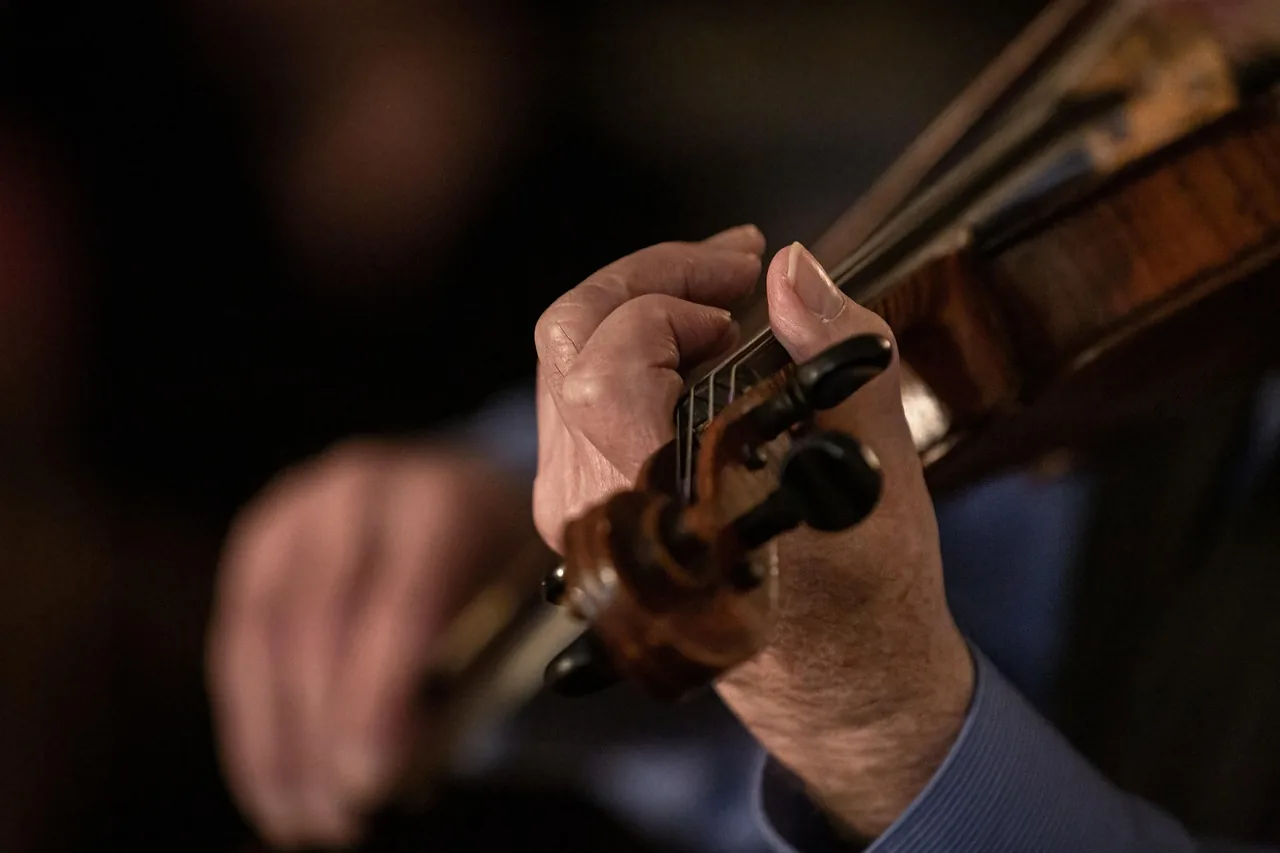
In short, Bach’s violin concertos are complex and beautiful works. They require virtuoso playing and a renowned soloist to be performed with precision. They challenge even the most experienced soloists because they demand great technical skill and a deep understanding of the music.
| Concerto | Composer | Features |
|---|---|---|
| Violin Concerto in E major, BWV 1042 | Johann Sebastian Bach | The use of fugue and counterpoint; complex and beautiful melodies and harmonies |
| Violin Concerto in A minor, BWV 1041 | Johann Sebastian Bach | The need for virtuoso playing and a renowned soloist to perform it with precision |
The Violin Concerto in E major, BWV 1042
Discover Bach’s Violin Concerto in E major, BWV 1042. It is one of the most admired violin concertos in history. According to Wikipedia, it is one of Bach’s most popular works.
The violin score for this concerto is complex and beautiful. It challenges even the most experienced soloists. The first movement introduces the work’s main themes.
The second movement reveals the music’s emotional depth. It uses fugue and counterpoint. To hear this concerto in a live concert, you can attend performances at various venues.
Here are some features of this concerto:
- The first movement introduces the concerto
- The second movement expresses the music’s emotional depth
- The finale showcases the soloist’s virtuosity
In short, the Violin Concerto in E major, BWV 1042, is a masterpiece. Its complex and beautiful violin score fascinates listeners. Hearing it in a live concert offers a chance to appreciate its full beauty.
The Violin Concerto in A minor, BWV 1041
Discover Bach’s Violin Concerto in A minor, BWV 1041. It is one of Bach’s most beautiful violin concertos. Known for its complexity and beauty, it presents a real challenge to soloists.
There are many audio recordings of this concerto. They range from a 1937 recording to recent performances. You can listen to them online or attend live concerts, such as those by the Royal Opera Orchestra.
The concerto uses fugue and counterpoint. These techniques add depth to the music. Soloists need considerable technical skill to play these passages with precision and feeling.
Bach’s violin concertos are masterpieces. The Violin Concerto in A minor, BWV 1041, is one example. It continues to inspire and challenge musicians and listeners today.
Modern interpretations of Bach’s masterpieces
Bach’s works, including his violin concertos, still inspire performers today. Bach is recognized for his contribution to classical music. Contemporary musicians such as Philippe Jaroussky offer a fresh perspective on his music.
Every soloist has a personal way of interpreting Bach. Soloists use reference recordings, such as those by the Freiburger Barockorchester, when practicing.
Bach’s violin concertos, such as the Concerto in E major, BWV 1042, are performed by talented soloists. They must combine technique with expressiveness. Bach’s music demands great skill and deep understanding.
Leading contemporary soloists
Many talented soloists perform Bach’s works today. They bring their own perspective to the music. Performing Bach well requires both technique and expressiveness.
Violin technique in Bach’s concertos
Bach’s concertos demand virtuoso playing and a renowned soloist. They present many technical challenges. Soloists must understand the music’s nuances to offer a distinctive interpretation.
Bach’s violin concertos, such as the Concerto in E major, BWV 1042, require great skill. The soloist must play with precision and expressiveness. They must find a balance between soloist and orchestra. To learn more, visit the Institut de Musique de Paris website or discover the secrets of bowed string instruments on the Quatuor Antares website.
Here are some technical challenges for performers:
- Mastering violin techniques, including double stops and leaps
- Playing with great expressiveness and dynamic nuance
- Understanding the balance between soloist and orchestra
In conclusion, performing Bach’s concertos requires virtuoso playing and a renowned soloist. The challenges are many, but skilled performers can create an unforgettable musical experience.
| Concerto | Composer | Difficulty |
|---|---|---|
| Concerto in E major, BWV 1042 | Bach | High |
| Concerto in A minor, BWV 1041 | Bach | High |
The influence of Bach’s violin concertos on contemporary music
Bach’s violin concertos have shaped classical and contemporary music. Bach’s violin scores are considered models of perfection. They have inspired many composers and soloists.
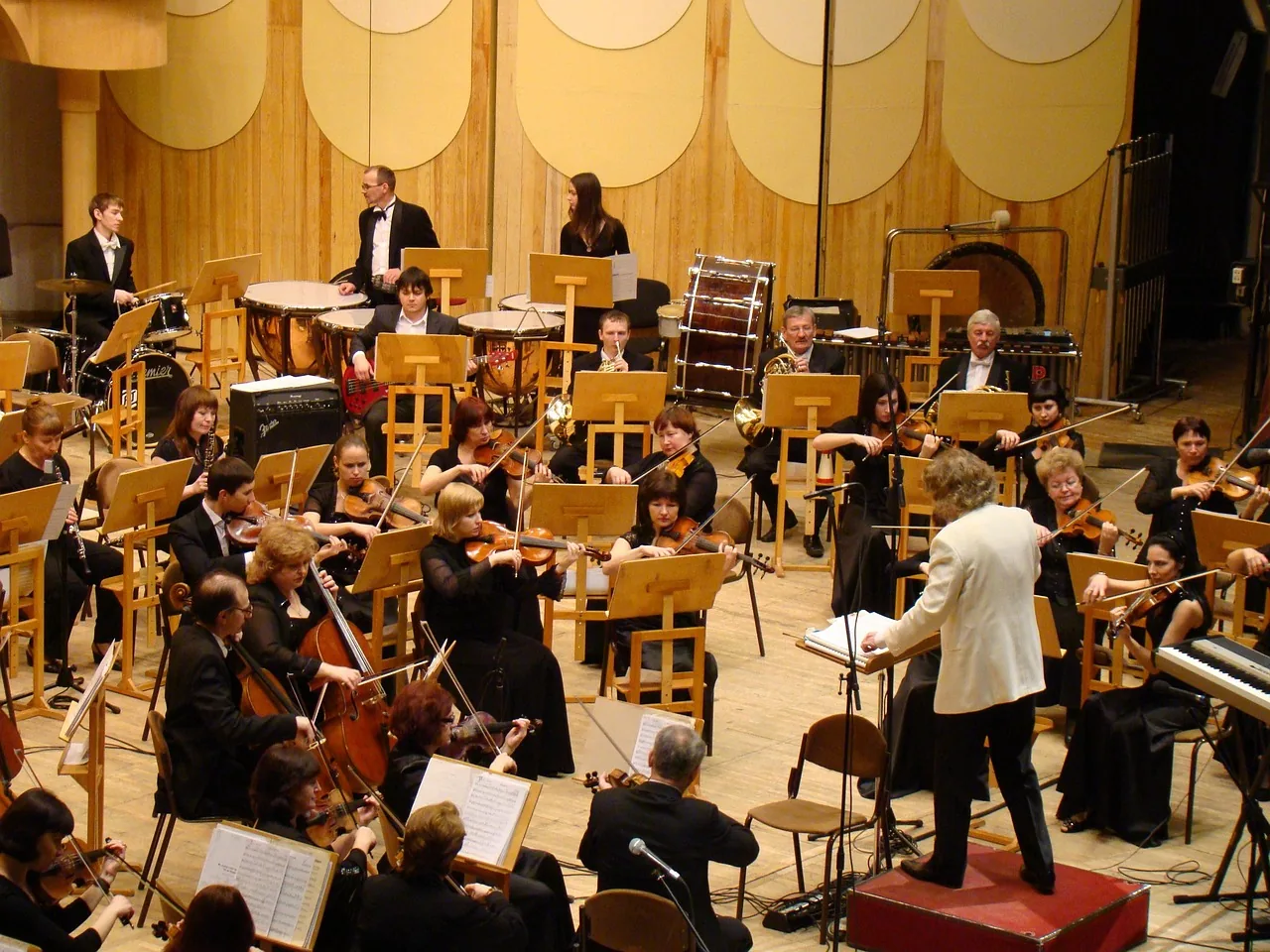
Live performances of these works still attract large audiences. This shows that classical music remains popular.
Bach’s works, including the Sonatas and Partitas for solo violin, are essential for today’s violinists. Bach’s violin scores serve as references for soloists and orchestras. They are considered masterpieces of classical music.
Live classical music concerts, especially those featuring the violin, bring substantial revenue to local economies. Efforts to teach classical music in education are increasing. This helps make violin concerts more accessible to young people.
Bach’s works continue to inspire today’s composers and soloists. Live performances of these works offer audiences a distinctive and rewarding experience. Bach’s violin scores show the richness and diversity of classical music. They play a key role in contemporary music.
Conclusion: the enduring life of Bach’s violin concertos
Johann Sebastian Bach’s violin concertos are masterpieces of classical music. They have endured for centuries and are still performed today. These timeless works have shaped classical music and inspired many modern genres.
They appear in jazz and even in arrangements for accordion. Their popularity continues to grow. This reflects the beauty and importance of Bach’s music for everyone.