
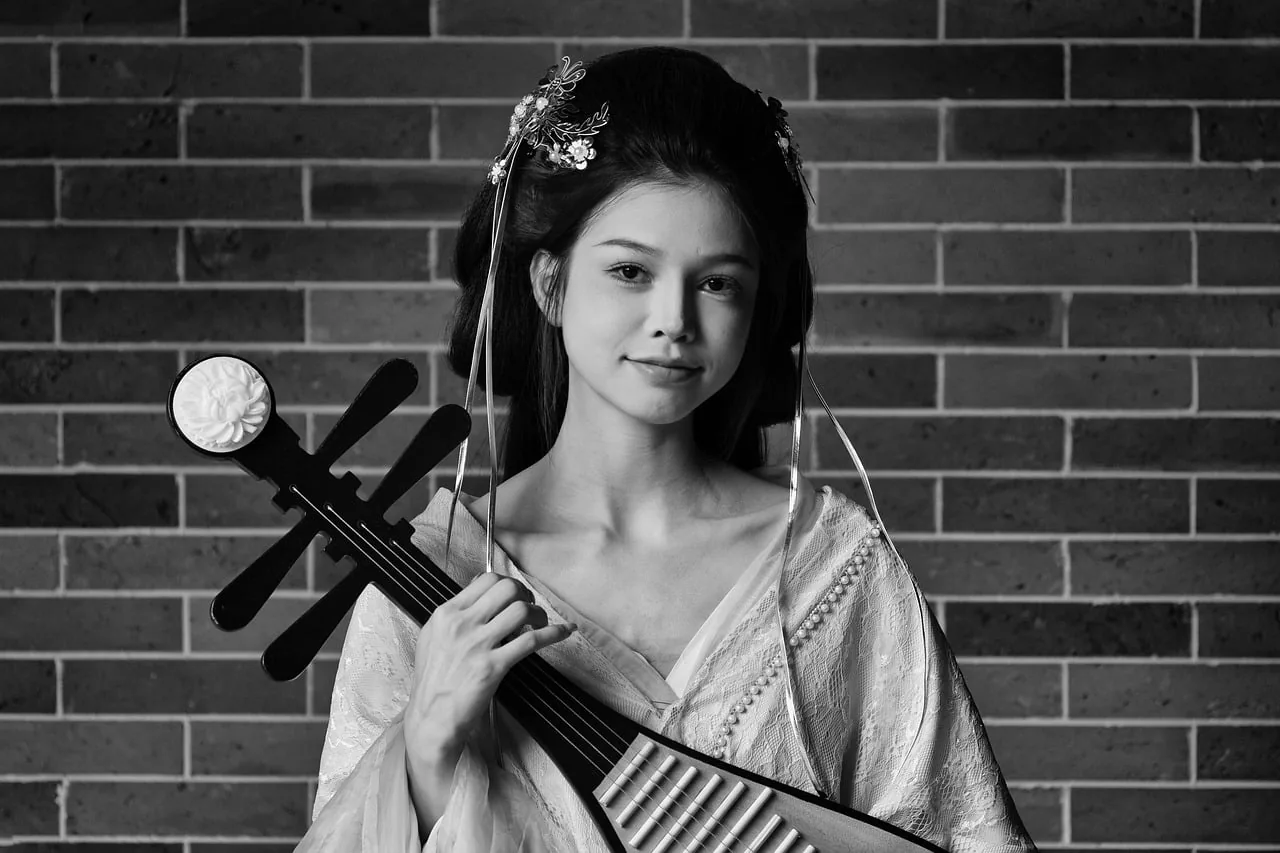
A beginner’s guide: this article helps you distinguish three plucked string instruments that are often confused by people discovering traditional music in France.
Why the confusion? Their visual similarities and related terminology make them hard to tell apart. Listeners often lack simple clues about the body, neck and soundbox.
Rather than relying on the name, identify an instrument by combining three features: its outline (round or pear-shaped), whether it has frets, and its number of strings. These visual clues are quick to learn.
A little history: the pipa is documented as early as the second century BCE, and its name refers to the pi/pa plucking techniques described during the Han dynasty. Its forms evolved over centuries of dynastic change and trade.
By the end of this article, you will be able to identify each instrument in a photograph, understand its musical role and choose one that suits your style or goals.
Understanding the Chinese lute family: simple clues for beginners
Learning to identify an instrument starts with three features you can see in seconds.
First, look at the body (round or half-pear-shaped), then at the length of the neck. Next, check whether it has frets and count the strings.
Useful vocabulary: the soundbox amplifies the sound, the raised strips are frets, and the tuning pegs adjust the pitch. These features affect the instrument’s range and ease of playing.
“Many closely spaced frets suggest a virtuosic melodic style; a fretless neck allows more slides and pitch inflections.”
- Tuning: a basic tuning guides the left hand and the position of the right hand.
- Playing techniques: a wooden plectrum produces a clear attack, artificial fingernails project the sound, and playing with the fingers creates varied tones.
These practical clues prepare you to explore the instruments’ history and read their scores. For more background, consult the historical overview and the scores for beginners.
Chinese lutes: how to tell the pipa, ruan and sanxian apart
A glance is enough to spot the shape, number of strings and presence of frets. These features offer immediate clues about an instrument’s origins and how it is played.
History and changes in form
Ancient origins: the pipa appears as early as the second century BCE. Its name reflects the pi/pa technique, an alternation of plucking strokes.
During the Han dynasty, the instrument had four strings and around a dozen frets. The Jin popularized the “qin-pipa,” associated with Ruan Xian, from whom the ruan takes its name. It spread widely during the Tang dynasty and later developed into its modern form, with a short neck and around 30 frets.
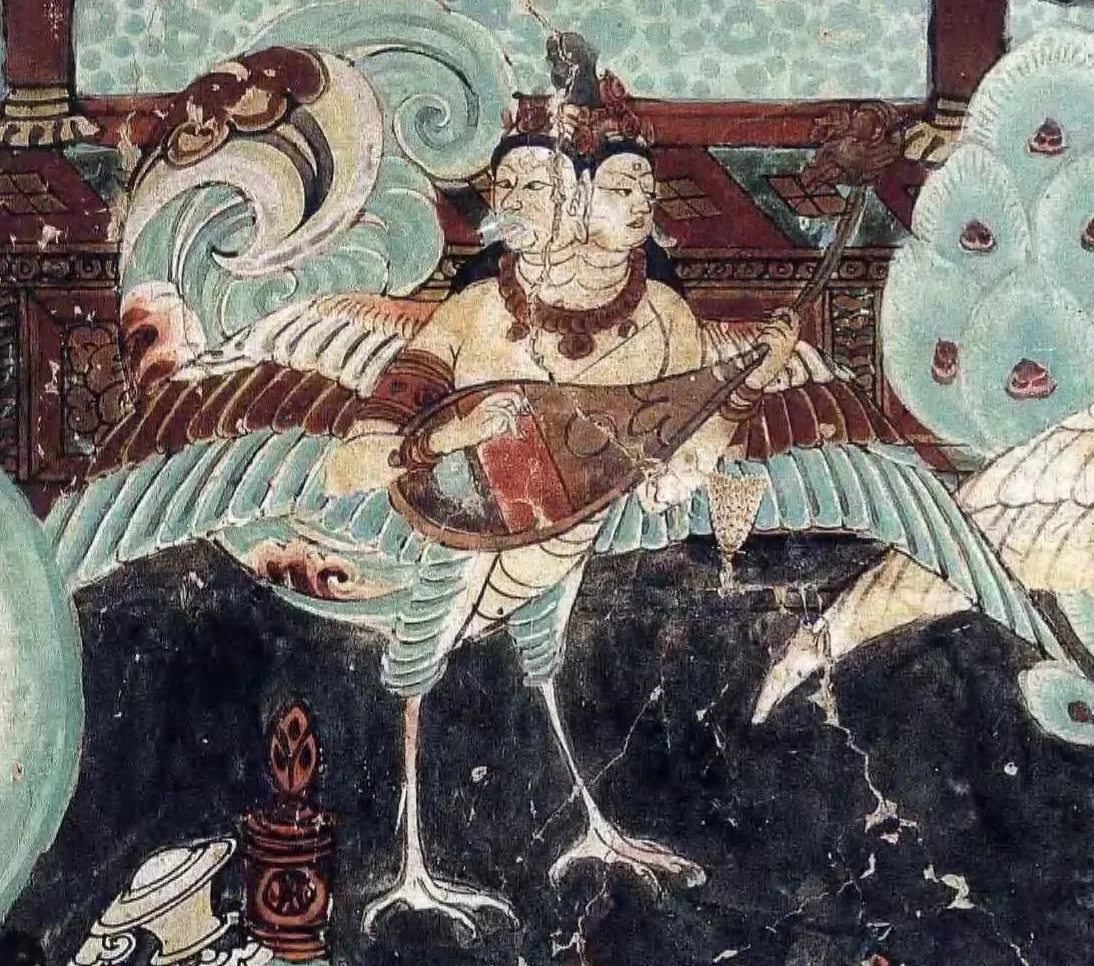
Long neck and skin-covered body
The sanxian, which appeared during the Yuan dynasty, has a long neck and three strings. Its wooden body is covered with reptile skin. Its strings were once made of silk but are now made of nylon.
| Feature | Shape | Strings | Frets |
|---|---|---|---|
| Modern pipa | half-pear-shaped | 4 | around 30 frets |
| Ruan (original form) | round outline | 4 | fretted |
| Sanxian | circular body, long neck | 3 | none (movable capo) |
For detailed sources and visual clues, see this illustrated guide.
Choosing and identifying a pipa, ruan or sanxian for your music
Choosing by musical use helps you quickly determine which instrument best suits your project. First decide whether you want to play solo, chamber music or in a traditional ensemble.
Playing contexts
Solo: choose an instrument with an extensive solo repertoire and strong projection. It works well for concerts and fusion projects.
Chamber music: choose a balanced body and manageable neck for playing alongside wind and string instruments.
Sizhu, nanguan, narrative song and kunqu: choose a supporting instrument that provides rhythm and accompaniment. This role is common in traditional ensembles.
Historical clues and what to listen for
The Silk Road spread instruments and techniques. The Tang dynasty greatly popularized the solo repertoire, while the Yuan dynasty established certain instruments in narrative theatre.
- On stage, observe the player’s posture and how the strings are struck: with a plectrum or fingernails.
- Look at the body’s shape (round or pear-shaped), the neck’s length and the rhythmic energy.
- Listen for whether the instrument carries the melody or supports the singing.
Conclusion
The essentials in a few words: the pipa is pear-shaped and associated with virtuosic playing, the ruan has a heritage linked to the qin-pipa, and the sanxian has a long neck and three strings and often provides rhythmic support.
Remember three simple features: the body’s shape, whether it has frets, and its number of strings. Then check how it is played (with fingers, fingernails or a plectrum) to confirm its identity.
Materials to note: wood and skin often characterize the sanxian; its strings have changed from silk to nylon. This affects string tension, playing feel and tuning for beginners.
Instead of looking for a “best” instrument, start with its musical role. Today these instruments are played on stage and far from their ancestral homelands, and these clues remain useful over time.