
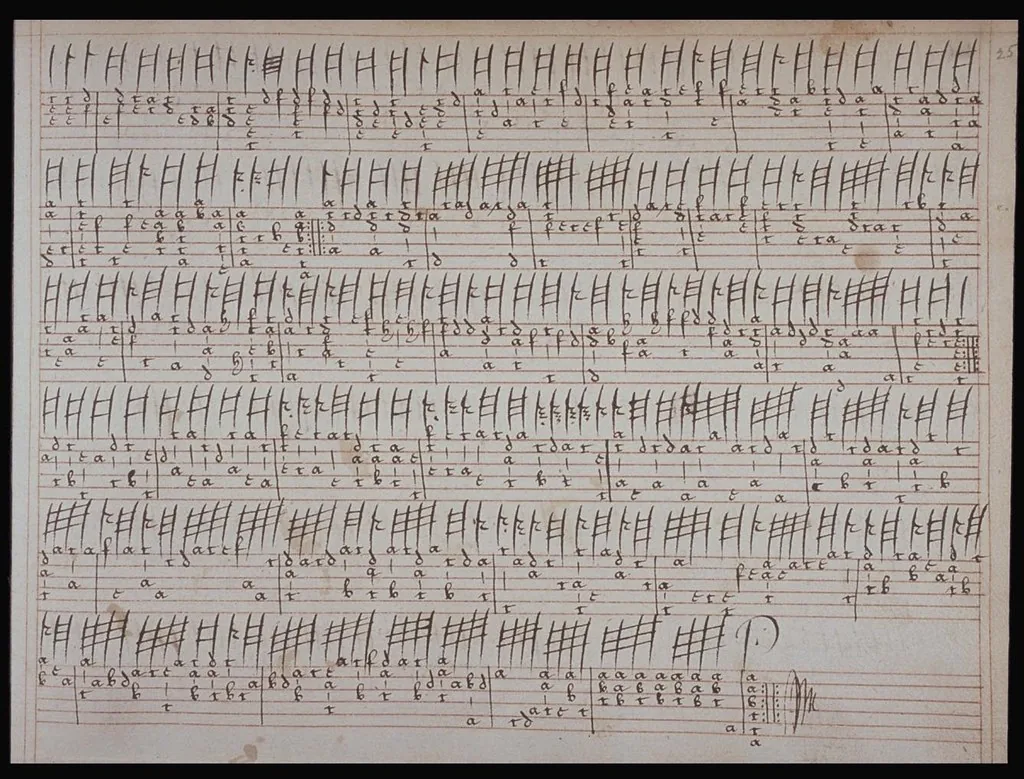
Purpose: to give a clear overview of the lutes of the Maghreb and the Sahara. This article introduces the families of instruments, their forms and their social uses.
We begin by setting the scope: an informative article about lutes in the organological sense, without confusing them with other chordophones. We clarify terms that are often used loosely so that the sources are easier to understand.
This article is for readers in France who want to understand objects sometimes considered “simple.” Yet these instruments carry rich repertoires and identities.
Our route takes us through definitions, classifications, an overview of the North, a closer look at the Sahara and comparisons between Moors and Tuareg people. Our approach draws on organology, ethnomusicology and archaeological evidence to trace their origins and contemporary changes.
Key question: what distinguishes a lute “of the North” from other families in the Sahel or the West”? The answer lies in materials, forms and social roles.
Why the lute fascinates in North Africa
In the heart of the desert, a modest instrument often holds a central place in collective life. It is more than a source of sound: it marks identity and carries memory.
An instrument at the heart of Saharan societies
Everyday use and social presence: among the Toubou of the central Sahara, this instrument is often heard during work, celebrations and the passing on of traditions. Music is central to life and serves to tell stories, teach and strengthen bonds.
Oral transmission: people learn through immersion, imitation and memorization. This gives musical practices great continuity and strong social roots.
Music, identity and cultural setting
The instrument becomes an emblem because it brings together styles, repertoires and occasions. Its timbre and subtle variations create an effect of sonic intimacy that is hard to convey outside its local setting.
- Social factors: distinctions between men and women, as well as age and status, affect who plays and when.
- Contrasting uses: the same type of instrument may be played at home in one place, by professionals such as griots elsewhere, or in a particular genre.
- Attentive listening: repeated motifs often conceal tiny variations that fascinate experienced listeners.
“Music lies at the heart of culture.”
In some cases, we need to define “lute” more precisely and distinguish it from fiddles, lyres and harps. The following sections explain these distinctions.
Defining the African lute and distinguishing it from other instruments
A simple organological definition helps distinguish a plucked-string instrument from a bowed fiddle. The essential difference is how the string is set vibrating: it is plucked on a lute and drawn with a bow on a fiddle.
Both families have a resonating body and a neck. Some instrument bodies, however, can serve both purposes depending on local practice. Classification therefore requires technical criteria, not just visual ones.
Key components
The body amplifies the sound; its soundboard, made of wood or skin, shapes the resonance. The neck determines the vibrating length and tension of the strings.
Strings made from horsehair, sinew or nylon determine the timbre and tuning. The bridge and tailpiece transmit vibrations to the body.
What varies between types
The different types vary in neck length, number of strings, materials and the way the neck is attached. These features influence the repertoire and playing technique.
- Number of strings: this affects tuning and the possibilities for polyphony.
- Soundboard: skin produces a drier attack; wood gives a sound richer in overtones.
- Assembly: an attached or notched neck changes the acoustic response.
We should not mistake a popular name for a single category: speaking of families and subtypes allows meaningful comparisons.
Classifying lutes: useful organological markers
To compare forms and uses, we need stable technical criteria. These markers help us look beyond local names and conduct a comparative study.
The Hornbostel–Sachs classification and what it offers
The Hornbostel–Sachs classification groups chordophones by how their strings are set vibrating, including plucking and bowing.
It distinguishes harps, lyres and lutes, then defines subtypes useful for regional study.
Necked lutes and spike lutes
Look at how the body and neck meet: when the neck extends from the body, the instrument is a necked lute. The celebrated oud belongs to this type.
By contrast, a spike lute has a neck like a stick inserted into or through the body. This difference changes its outline and the way its strings are attached.
The internal-spike lute (Binnenspiesslaute)
The neck may end inside the body: this is an internal spike. Its inner end can provide support, with the assembly sitting beneath the skin soundboard.
A useful example is the Toubou lute (keleli or cegeni), which often belongs to this basic subtype.
“Organological classification allows us to analyze transmission and adaptation well beyond local names.”
| Criterion | Necked lute | Spike lute |
|---|---|---|
| Connection between neck and body | Clearly joined | Neck inserted into or passing through the body |
| Type of soundboard | Often wood | Often stretched skin |
| Assembly method | Attached or fitted neck | Neck pinned beneath the soundboard or inserted through the body |
Visual markers include the neck’s position, the nature of the body, attachment points and number of strings. These features guide the field analysis introduced earlier in the article.
Lutes of North Africa: a landscape between the Maghreb and the Sahara
From the Maghreb’s coast to the Saharan dunes, the range of instruments is remarkably diverse.
Urban practices coexist with pastoral traditions.
In cities, art music favors instruments with continuous necks and written repertoires.
The gimbri or ginbri in Morocco: a widespread “rudimentary” instrument
The gimbri plays an important social role. Its construction, often called “rudimentary,” conceals great rhythmic richness.
The body may be hollowed wood or a gourd, sometimes covered with skin. The strings, traditionally made of horsehair, produce a low, percussive sound.
It serves both rhythmic and melodic purposes. It accompanies songs, rituals and communal gatherings.
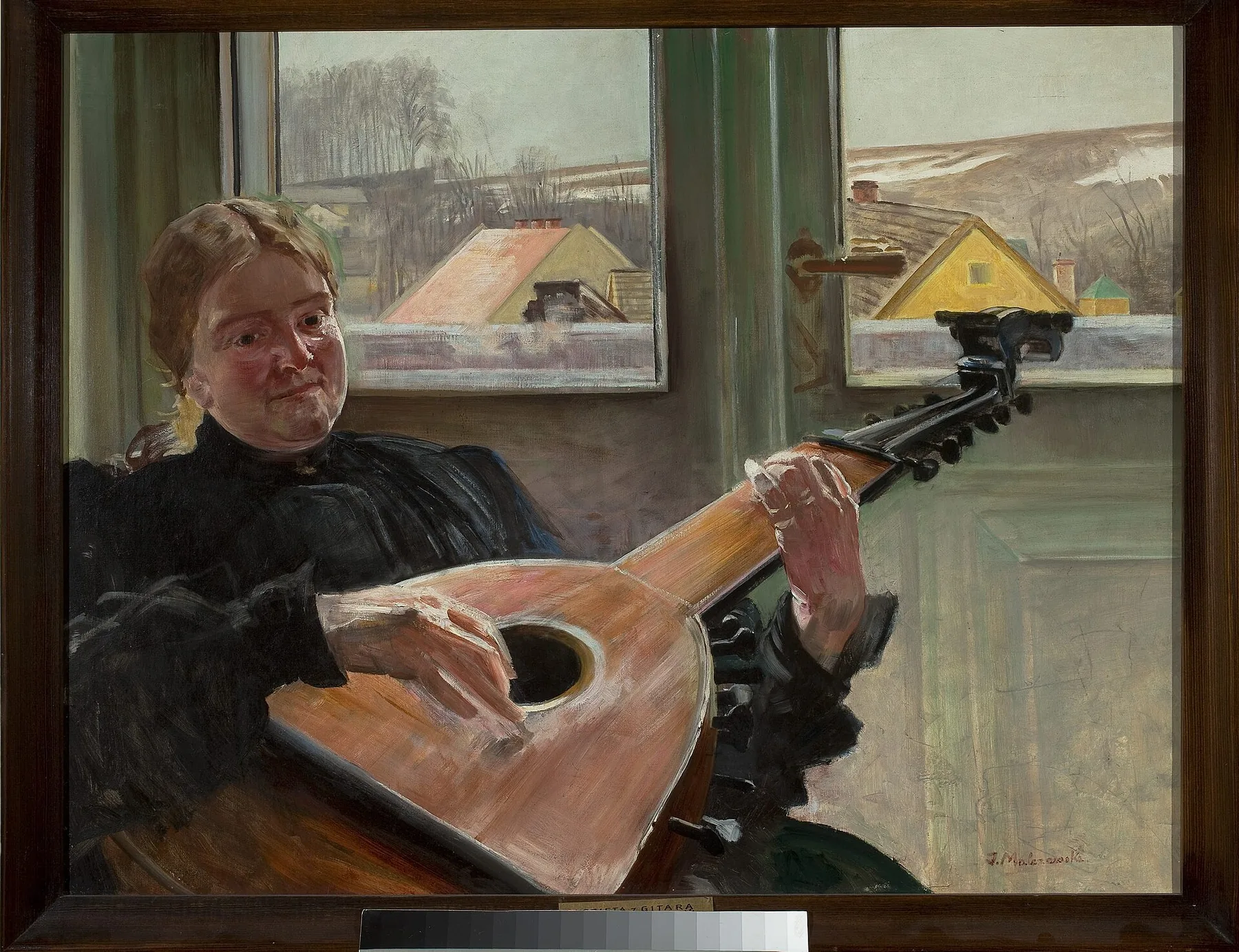
Alongside the oud, the Arab “prince of instruments”
The oud, meanwhile, represents the art music tradition of the Arab world. Its necked construction and wooden body favor a sound rich in overtones.
The oud also influenced the European etymology of the word “lute” and symbolizes Arabic classical music.
These instruments complement one another.
Musicians move between repertoires and borrow forms, materials and gestures as circumstances require.
- Key point: North Africa is not uniform; the Sahara changes how instruments are used and what they are made from.
- Implication: depending on context, “African lute” may refer to the gimbri, the oud or a Saharan model.
African lutes: an overview of the lutes of North Africa
In the Maghreb and Sahara, “lute” covers families that vary in both construction and use.
What the term covers: it reaches from the urban Maghreb to the edges of the Sahel. Some forms resemble the oud, with a continuous neck and wooden body. Others have a simpler construction: a skin soundboard, a pinned neck and a basic assembly.
A simple guide: neck and spike
Necked lute: art music, wood and harmonic richness. Spike lute: stretched skin, assembly beneath the soundboard and adaptable materials. Northern instruments follow both patterns.
Links with the Sahel and West Africa
Internal-spike forms trace a corridor between West Africa, the Sahel and the Sahara. Their geographical distribution reveals shared features: an assembly beneath a skin soundboard, few strings and a deep timbre valued more than virtuosity.
“Avoid generalizations: West Africa helps us understand these families, but local study remains essential.”
These points set up the next close look: the central Sahara and the Toubou lute provide examples that clarify these patterns. For an overview of string instruments, see the linked resource.
A closer look at the central Sahara: the emblematic Toubou lute
The Toubou illustrate the strong connection between community and musical practice. They inhabit an area covering roughly a quarter of the Sahara: from Lake Chad to southern Libya, and from eastern Niger toward Sudan.
Ways of life: pastoralism, mobility and cross-border exchange. They should not be confused with the Tuareg, the Moors or neighboring Arab groups.
Who are the Teda and Daza, and where do they live?
The Teda in the north and the Daza in the south are two names within the broader group that reflect geographical and social distinctions. Understanding this helps explain variations in vocabulary and use.
Keleli, cegeni, tullo: different names, a shared form
In these societies, the favored instrument has several names: keleli among the Teda, cegeni among the Daza and tullo among the Kreda.
Different names do not necessarily mean different forms. The same type may circulate and acquire another name while remaining recognizable by its construction and sound.
Among the Toubou, playing remains primarily a male activity, although other musical practices coexist.
To learn more about these societies and their repertoires through ethnography, see this resource on regional studies: studies of Saharan societies.
| Element | Description | Note |
|---|---|---|
| Distribution | From Lake Chad to southern Libya; from eastern Niger to the borders of Sudan | Cross-border region |
| Groups | Teda in the north, Daza in the south | Differences in vocabulary and social organization |
| Instrument names | keleli, cegeni, tullo | Shared form despite different names |
Making a Toubou lute: materials, construction and adaptation
Building this instrument involves adaptation as much as a set technique. Its body may be a shallow wooden bowl, a hollowed gourd or an enameled metal basin about 25 to 30 cm across. The choice changes its projection and timbre.
The soundboard is untanned camel, goat, gazelle or cow skin, laced around the edges. In a dry climate, the skin stiffens and the resonance becomes clear. In France, humidity loosens the skin and worsens the sound.
The neck measures 50 to 60 cm. It is often a palm stalk or an acacia root. It is pinned beneath the soundboard through holes and a notch: this is the principle of a pinned or inserted neck.
The strings may be made of horsehair, sinew or nylon. Since the 1970s, twisted magnetic tape has also been used because it is available and is considered to produce a “much more” stable sound.
Flexibility: construction adapts to local materials and the time available. This modernization does not necessarily change the repertoire. For an overview of traditional musical practices, consult the general introduction to music.
“The instrument adapts to available resources without losing its sonic identity.”
Sound and resonance: richness behind apparent simplicity
Beneath the regular cycles, resonance reveals unexpected layers of sound.
Guignard highlights the subtlety of the Moorish tidinit: short motifs are repeated and then changed slightly. The same observation applies to Toubou instruments. On first hearing, the music may seem monotonous.
Yet its richness comes from tiny variations in attack, emphasis and timbre. These inflections create a complex resonance that becomes more rewarding over time.
Repeated motifs and tiny variations: learning to listen
The musical pattern relies on sequences and repetition of short motifs. Differences in attack or dynamics signal a change.
A listening cue: what changes is not always the melody; sometimes it is the phrasing or inflection.
A taste for “complex” sound and the role of timbre
A “blurred” timbre is often valued. Depending on the song, it accompanies or supports the voice, or sets a counterpoint against it.
“The ear adjusts: what once seemed monotonous becomes a rich texture.”
| Element | Tidinit (example) | Toubou instrument (example) |
|---|---|---|
| Structure | Very short motifs | Repeated cycles |
| Variations | Subtle accents | Changes of attack and string |
| Relationship with the voice | Subtle support | Rhythmic dialogue |
To appreciate it more fully, listen several times, identify the cycles and notice moments of inflection. This sound leads to our next topic: playing, posture and tuning.
Playing, posture and musical techniques
The relationship between gesture and sound reveals as much about posture as it does about tuning.
Holding the instrument and positioning the body
The musician usually plays seated. The instrument rests low, on the thigh or against the abdomen. This position supports comfort and steady sound projection.
Holding it lower changes the angle of attack and reduces fatigue. If the body is small or deep, the musician raises it slightly to hear it better.
Plucking and managing the strings
The plucking technique favors a clear, repeated attack. The two main strings are often played alternately to create rhythmic cycles.
The thumb provides drones, while the index and middle fingers produce the melody. Changing the plucking position relative to the bridge changes the attack: near the bridge the sound is drier; farther away it is rounder.
Tuning: two basic strings and an optional third
The most common form has two strings tuned to different notes, forming the basis of the repertoire. They establish its register and accents.
A third string, sometimes removable, is added for certain pieces. It produces an unmodulated high note and serves as an occasional reference point.
“Gesture shapes the tiny variations; the hand guides the ear.”
When learning, guitar-trained musicians may struggle with the stretched skin, the precision of the cycles and unfamiliar rhythmic practices. Gestures also vary with the type of neck, whether an internal spike or a continuous neck, and with the cultural setting.
Next: the ongoing dialogue between this instrument and the voice explains why singing often guides the choice of strings and positions.
Voice, song and lute: how do they relate in oral musical traditions?
The relationship between voice and instrument develops through imitation, memory and social interaction. In an oral tradition there is no score: everything passes through listening and repetition.
Transmission means immersion from childhood. Young people learn by imitating their elders and memorizing phrases and rhythms.
The rules are implicit: every performance varies slightly. Such variations enrich the repertoire rather than diminish it.
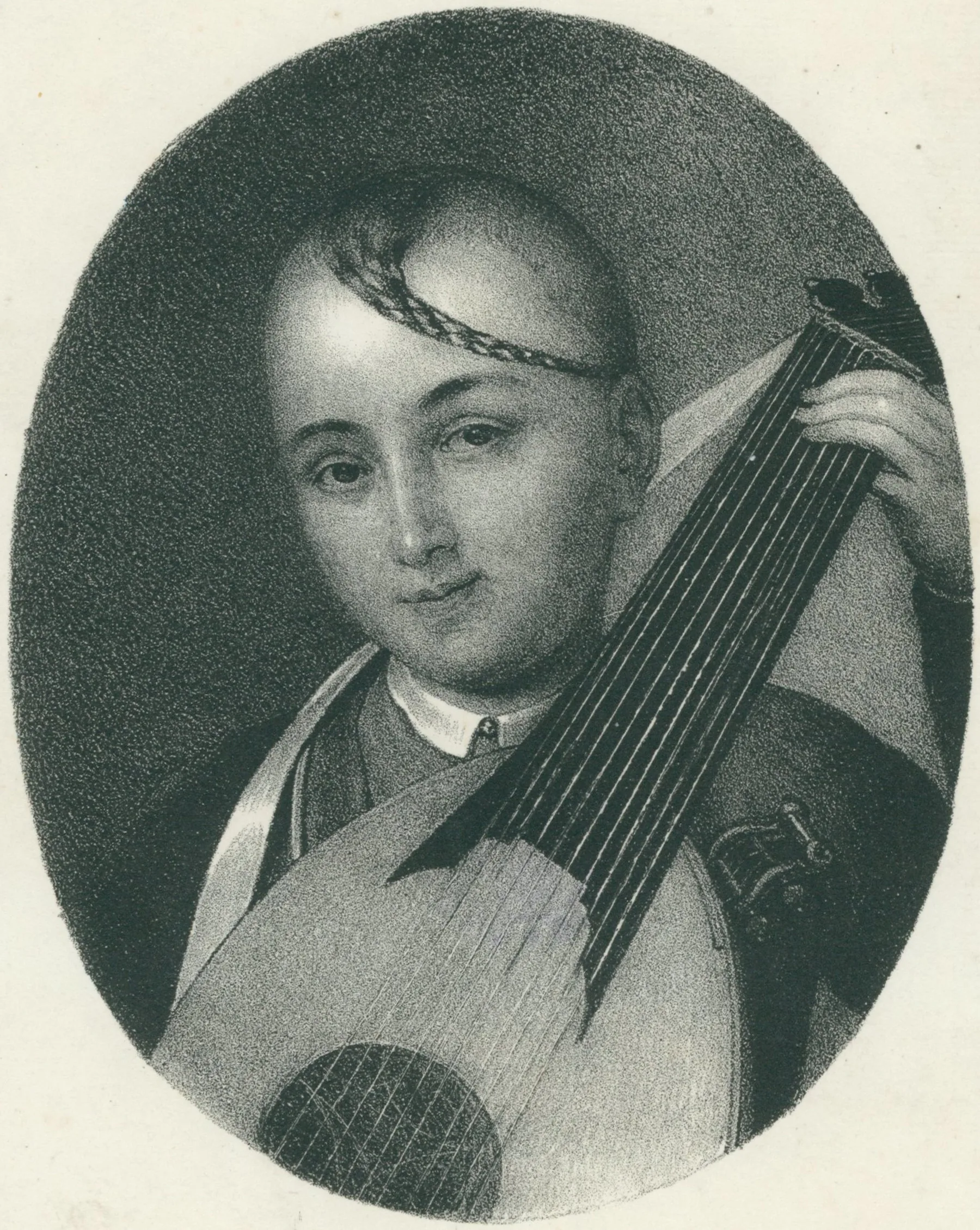
When voice and instrument answer each other
Often the voice begins a phrase that the instrument repeats or completes. At times it supports the narrative; at others it “comments” in counterpoint.
In tonal languages, the melodic contour of a song follows that of the language. The instrument can then take on a “speaking” role and reinforce meaning.
“Music is heard as a dialogue: the voice speaks and the instrument replies.”
Common examples include call and response, doubling the vocal line and marking pauses for breath with a motif. In France, passive listening at a concert may obscure this participatory exchange.
Qualification: these patterns are widespread but vary between societies and genres. The next section considers who plays and in what settings.
Men, women and status: who plays the lute, and when?
The person holding the instrument reveals much about social life. The question involves age, status and playing occasions.
Among the Toubou
Among the Toubou, playing remains mostly a male activity. Men learn young, often from elders or friends, and play at evening gatherings or ceremonies.
This gender division affects repertoires and how they are passed on. The place of women in Toubou society is also reflected in these musical practices.
Saharan variations and the anzad fiddle
A few hundred kilometers away, the pattern changes. In some Tuareg communities, the anzad fiddle is often played by women and accompanies women’s singing.
Music serves another ritual function there and is passed on differently. This contrast shows how gender, instrument and function combine within each society.
- Who plays: age and status influence access to the instrument.
- Setting: whether an occasion is intimate, festive or ritual affects the roles of men and women.
- Comparison: the fiddle is a regional variation, not simply the “other” of a single model.
A methodological caution: observe local practices before generalizing, as they change with urbanization.
The next section looks at professional musicians and the networks that give certain instruments an established place.
The Moorish lute and professional musicians
In several Islamized West African societies, professional musicians belong to specialist lineages. These hereditary groups, often called griots, perform a recognized social role.
Their distinguishing features: marriage within the group, family transmission, payment and a public role. They sing, recount genealogies and sustain collective memory.
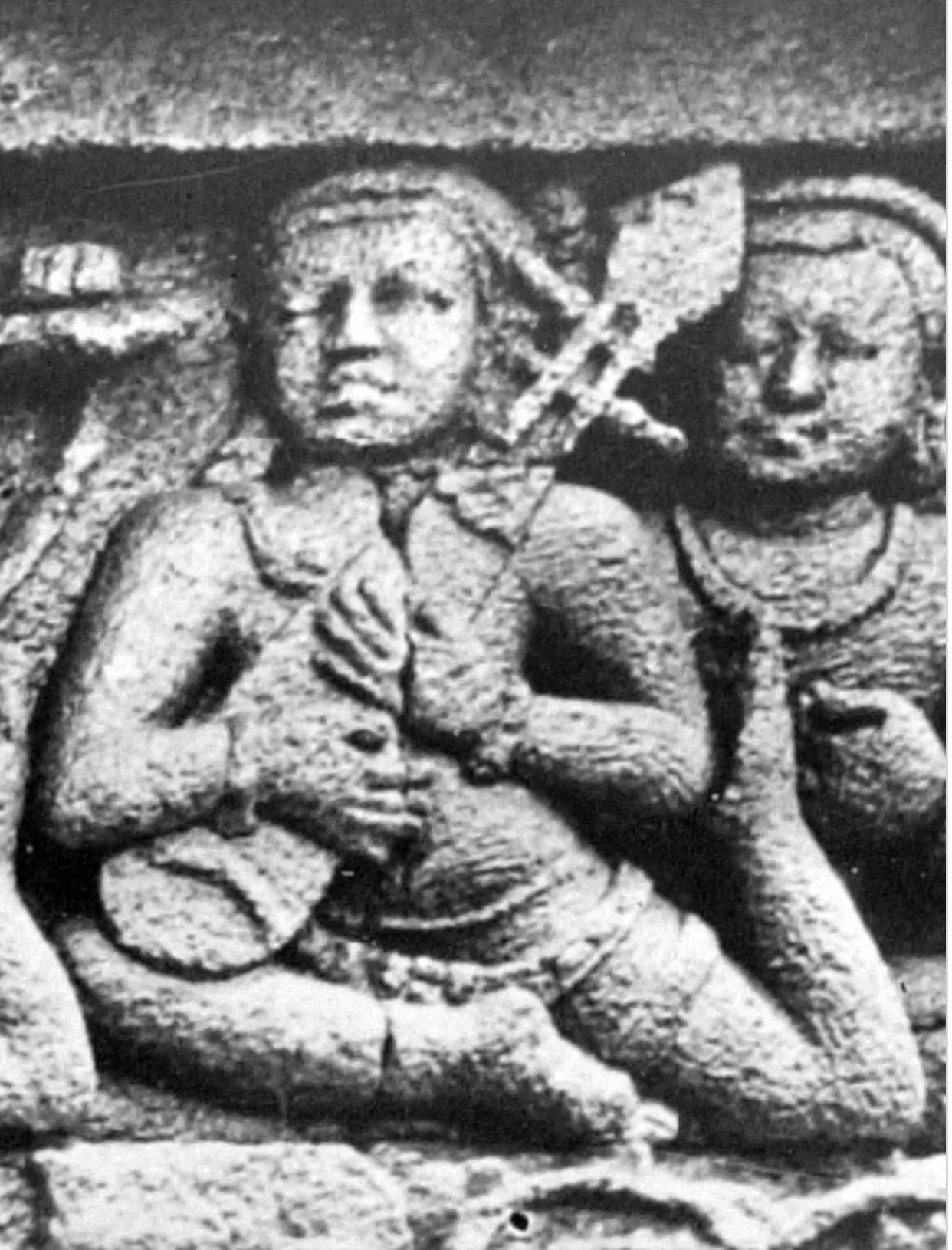
The tidinit: an internal-spike lute
The tidinit is an internal-spike instrument associated with griots. Its construction suits ceremonial settings: a skin soundboard, pinned neck and precise, repetitive playing.
Virtuosity, songs and social functions
Virtuosity here is not measured by speed alone. It includes mastery of tiny variations, timbre, endurance and interplay with the voice.
The relationship between music and voice serves praise, storytelling and the assertion of social standing. The professional musician adjusts the playing to amplify or shade the song’s message.
The social role of griots combines prestige, dependence and sometimes mistrust.
By comparison, the Toubou case shows another model: a rural instrument centered on community use, without a similar professional system.
These internal-spike forms occur across a broad, connected region. The next section examines where they spread and where they are absent.
The spread and geographical distribution of internal-spike lutes
Some internal-spike types show striking geographical continuity from Senegal to the Lake Chad basin.
Reading this geographical belt: internal-spike construction recurs throughout it. Examples frequently share a skin soundboard, a pinned neck and a compact size.
Their similar construction suggests the spread of a technique rather than a mere coincidence of names. Adaptation to local materials is clear throughout this region.
Regional connections: this zone sometimes reaches Central Africa, where materials are exchanged or techniques converge. Musical regions nevertheless remain distinct and need to be studied separately.
One absence is intriguing: inventories record few examples in present-day Egypt and Sudan. This gap raises questions about models of transmission and calls for caution.
The physical evidence requires us to reason from organological clues, not names or repertoires alone.
Limits of the sources: archives and collections are uneven. To investigate origins and test hypotheses, this map must be compared with archaeological evidence and sound archives.
Origins of the African lute: archaeological markers and hypotheses
Material traces offer chronological markers, but they require caution.
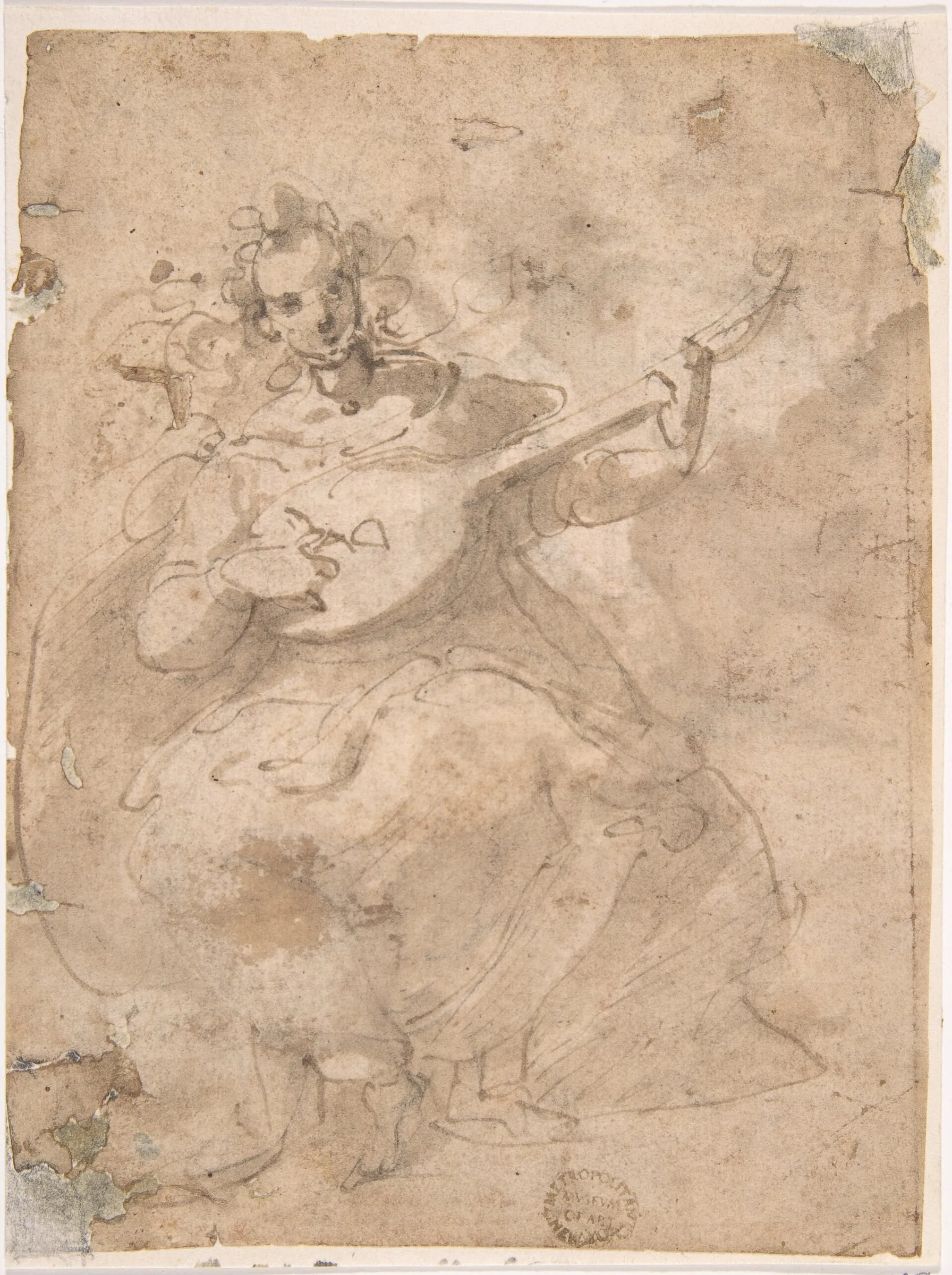
Mesopotamia and ancient Egypt
The earliest visual clue comes from an Akkadian seal dating to about 2300 BCE. It shows a form resembling a necked instrument, but its construction remains uncertain.
In pharaonic Egypt, images dated to the 15th century BCE depict instruments with very long necks. These images provide valuable chronological markers.
Saharan rock paintings
Saharan rock faces from around 1000 BCE depict musicians. Their stylized forms, however, make it impossible to determine how the neck was assembled or whether it had an internal spike.
Hypotheses about how the instruments spread
Two scenarios compete: transmission from east to west out of the Near East, or local development in western and Sahelian regions.
Their present-day distribution as far as Chad provides clues but does not prove a direct line of descent.
“Details of form, such as how neck and body are joined or where they are pinned, remain essential for testing lines of descent.”
| Marker | Date | What we know |
|---|---|---|
| Akkadian seal | About 2300 BCE | Image of an instrument; construction uncertain |
| Pharaonic Egypt | About the 15th century BCE | Neck length and depictions of women musicians |
| Saharan paintings | About 1000 BCE | Musicians depicted; limited details of instrument form |
Progress requires a close study of forms and comparison with modern inventories. The next section returns to contemporary developments.
Contemporary changes: urbanization, new materials and new uses
Urbanization and industry have opened up new possibilities for making and using traditional instruments.
Movement toward cities makes markets easier to reach. Makers find industrial parts and recycled materials. These change the body, neck and attachment methods.
From pastoral life to the city: musical continuity and change
Despite changes of setting, some styles remain recognizable. Rhythmic cycles and ways of striking the strings persist. The music retains its identity even as its sound environment changes.
Cassette players, reused materials and changes to the instrument
Since the 1970s and 1980s, the spread of cassette players has introduced an unexpected material: twisted magnetic tape is often used as strings.
These strips are considered to provide much more stable tension and timbre than horsehair. They are accessible, inexpensive and easy to replace.
Reuse also extends to enameled metal basins and parts found in markets. These choices show a practical economy and great ingenuity.
New materials do not erase the repertoire: they offer fresh sonic possibilities while preserving continuity.
| Change | Materials | Effect on the music |
|---|---|---|
| Magnetic tape | Twisted cassette tape | More stable timbre and even tension |
| Reuse | Metal basins and market parts | Different projection and a brighter sound |
| European climate | Skin and synthetic materials | Humidity changes tension; substitute materials may be needed |
Radio, television and recordings bring new musical styles to wider audiences and speed up exchange. In France, faithfully reproducing the sound remains a challenge: humidity affects the skin, and manufactured substitutes may be used.
Further reading: explore a technical study of instrument classification and an overview of instrumental evolution through a scholarly resource and an article about instrument development covering construction and materials.
Conclusion
To conclude, several ideas help us understand these musical traditions. The organological distinction between a plucked chordophone and a bowed fiddle remains fundamental. Classifying necked, spike and internal-spike lutes makes comparisons possible beyond local names.
The Toubou example shows that a modest object made from adaptable materials can carry music rich in subtle variations and timbres. Its relationship with the voice and oral transmission help explain the stability of its repertoires.
Early evidence from Mesopotamia, Egypt and rock paintings provides clues to the origins of these instruments without ruling out local development. Recent changes, including urbanization and reused materials for strings, transform their construction without erasing traditions.
To explore further, seek out guided listening, collection visits and ethnomusicological reading. This overview helps us name, locate and preserve these living instruments.