

String instrument making is an age-old craft full of mysteries and expertise. Bowed string instruments, such as the violin, viola, cello and double bass, are marvels of construction and sound. From their making and care to their history and playing techniques, explore the fascinating world of these versatile instruments.
String instrument making, or the craft of making string instruments, is a centuries-old tradition. Each instrument is built with care and precision from woods selected for their acoustic properties. Renowned makers pass on the secrets of this craft to create exceptional instruments.
For musicians, learning the playing techniques of these instruments is essential. Whether handling the bow, placing fingers on the strings or mastering intonation, every detail matters in producing a harmonious, expressive sound.
Caring for bowed string instruments is also crucial to preserving their sound quality. From regularly cleaning the strings to adjusting bow tension, musicians must look after their instruments to extend their lifespan and preserve their musical potential.
The history of bowed string instruments is rich and fascinating. From famous eighteenth-century Italian makers such as Stradivarius and Guarnerius to contemporary craftspeople, every era has contributed to the development of these iconic instruments.
Whether you love classical music, enjoy jazz or are a fan of rock, bowed string instruments have a place in many musical genres. Their distinctive sound and expressive power make them invaluable partners for musicians seeking creativity.
Explore the world of string instrument making, investigate playing techniques, discover the history of these instruments and uncover the secrets of bowed string instruments. You will enter a captivating and rewarding musical world where the magic of sound meets musicians’ passion.
Differences between the violin, viola, cello and double bass
Each bowed string instrument has distinctive characteristics. The violin is small and played under the chin, while the viola is slightly larger and played in the same way. The cello is larger still and played between the legs. Finally, the double bass is the largest of all and can be played standing or seated. Each instrument also has its own range and differently sized strings, which affect the sound it produces.
| Instrument | Size | Playing position | Range |
|---|---|---|---|
| Violin | Small | Under the chin | High |
| Viola | Slightly larger than the violin | Under the chin | Middle |
| Cello | Larger than the viola | Between the legs | Low |
| Double bass | The largest of all | Standing or seated | Very low |
The soundpost of bowed string instruments
Bowed string instruments, such as the violin, viola, cello and double bass, all have a wooden soundpost inside their bodies. This soundpost plays an essential role in the resonance of the sound these instruments produce. It acts as a natural amplifier by transmitting vibrations from the strings to the soundboard and amplifying them.
The soundpost is a crucial part of making bowed string instruments. Shaped from carefully selected wood, it is cut and positioned precisely inside the instrument. However, changes in temperature and humidity can cause the soundpost to shift slightly over time.
A shift in the soundpost can significantly affect an instrument’s sound quality. If the soundpost is poorly positioned, its tone and sound projection may change. This is why makers maintain and adjust the soundpost regularly. They use special tools to reposition it correctly and optimize the instrument’s resonance and sound.
In conclusion, the soundpost is essential to the construction and sound of bowed string instruments. With a maker’s expertise, it can be positioned correctly to ensure the best possible sound quality. The next section explores renowned makers and the fascinating history of bowed string instruments.
Renowned makers and the history of bowed string instruments
Bowed string instruments are celebrated for their exceptional sound and unmatched quality. Among the renowned names associated with their making are Stradivarius, Guarnerius and Goffriller. These names are synonymous with excellence and worldwide renown. Their instruments are highly sought after by professional musicians and collectors.
Stradivarius is one of the most famous and oldest names in bowed string instruments. Established in seventeenth-century Italy by Antonio Stradivari, this instrument-making workshop is known for its exceptional violins. Stradivarius violins are renowned for their rich tone, powerful projection and excellent playability. They are considered among the finest bowed string instruments and are some of the world’s most expensive and sought-after violins.
Guarnerius is another iconic name in instrument making. Established by the Guarneri family in eighteenth-century Italy, this workshop produced violins, violas and cellos of exceptional quality. Guarnerius instruments are distinguished by their warm sound, expressive projection and great responsiveness. They are highly valued by professional musicians, especially in classical music.
Goffriller is a less familiar name, but is nonetheless renowned for high-quality instruments. Established by the Goffriller family in eighteenth-century Italy, this instrument-making workshop created violins, violas and cellos sought after for their rich, balanced sound. Goffriller instruments are especially valued by soloists, while their rarity makes them highly sought after by collectors.
Image:
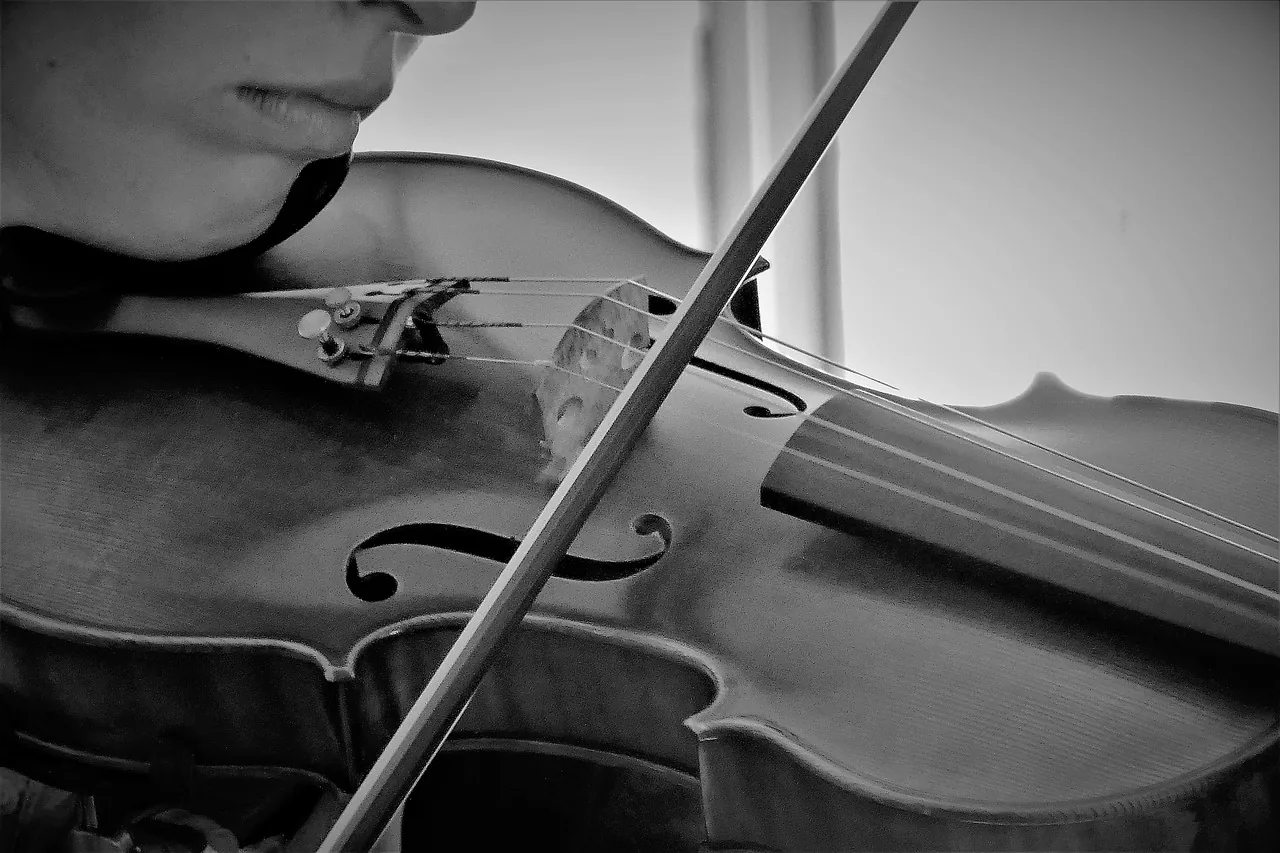
The long history of these prestigious names attests to their exceptional skill in making bowed string instruments. Their creations have endured for centuries and continue to delight musicians around the world. Although their prices are often high, their quality and artistic value make them prized investments for professionals and dedicated enthusiasts.
| Name | Country of origin | Century established |
|---|---|---|
| Stradivarius | Italy | 17th century |
| Guarnerius | Italy | 18th century |
| Goffriller | Italy | 18th century |
Bowed string instruments in different musical genres
Bowed string instruments, such as the violin, viola, cello and double bass, are not limited to classical music. They also have a place in varied musical genres, including jazz and rock.
Although bowed string instruments are often associated with classical music because of their long history in the genre, they have also broadened their expressive possibilities and adapted to the demands of contemporary musical styles. World-renowned musicians explore the sounds they can create and continue to innovate in a variety of musical settings.
The violin, for example, is often used in jazz for its ability to express emotion and lend itself to improvisation. Jazz artists have drawn on its expressive sound to bring a distinctive dimension to their music.
“The violin is an extremely versatile instrument. It can play gentle, lyrical melodies as well as fast, virtuosic lines. It lends itself perfectly to improvisation.” — Jean-Pierre, jazz violinist
Likewise, the cello and double bass have found a place in rock. Rock bassists often use the double bass for a deeper, more resonant sound, while the cello brings a rich, expressive tone to some rock pieces.
Thanks to their versatility, bowed string instruments fit naturally into different musical styles, adding a distinctive texture and harmonic richness that set them apart from other instruments.
In classical music, jazz and rock, bowed string instruments continue to fascinate listeners and musicians with their captivating sound and ability to adapt to new musical settings.
Musical genres that feature bowed string instruments
| Musical genre | Bowed string instruments used |
|---|---|
| Classical music | Violin, viola, cello, double bass |
| Jazz | Violin, cello |
| Rock | Cello, double bass |
Bowed string instruments cross musical boundaries, bringing elegance, emotion and sonic power to every style in which they are used.
Conclusion
Bowed string instruments are truly fascinating. Their meticulous construction, combined with the challenge of learning their playing techniques, gives them a unique place in music. Their rich and varied range of sounds captivates musicians and music lovers, carrying them across eras and musical genres.
Whether you are drawn to classical music, jazz or rock, bowed string instruments have a place in all these styles and can adapt to each one. Their delicate, expressive sounds add depth and nuance to every composition.
Explore the world of bowed string instruments and discover the secrets of their construction, their history and their many sonic possibilities. Whether you are already a musician or simply curious, you can appreciate the versatility and beauty of these exceptional instruments.
FAQ
What is string instrument making?
String instrument making is the craft of making, repairing and maintaining stringed musical instruments.
What playing techniques are used on bowed string instruments?
The main playing techniques used on bowed string instruments are bowing, pizzicato and harmonics.
How do you care for a bowed string instrument?
It is important to clean the strings regularly with a soft cloth, store the instrument in a suitable case and have it adjusted regularly by a professional instrument maker.
What is the history of bowed string instruments?
Bowed string instruments have existed for centuries and have developed gradually in different cultures around the world.
How can you learn to play a bowed string instrument?
It is advisable to take lessons with an experienced teacher, practise regularly and follow a learning method suited to your level and goals.
What are the differences between the violin, viola, cello and double bass?
The violin is small, played under the chin and has a higher range than the other instruments. The viola is slightly larger and played in the same way. The cello is larger still and played between the legs. Finally, the double bass is the largest of all and can be played standing or seated.
What is the soundpost of a bowed string instrument?
The soundpost is a wooden piece inside the instrument that plays a role in sound resonance. It can shift as temperature and humidity change and may need to be repositioned by a professional instrument maker.
Which are the renowned names in bowed string instrument making?
Iconic names such as Stradivarius, Guarnerius and Goffriller are known for making exceptional bowed string instruments.
In which musical genres are bowed string instruments used?
Bowed string instruments appear in a variety of musical genres, including classical music, jazz and rock.
Source links
- https://www.musiccenter.org/experience-learn/experience-learn/for-schools/educational-performances-and-assemblies/performing-artists-roster/string-family-players/
- https://timbreandorchestration.org/isfee/extreme-orchestration/bowed-strings/string-basics
- https://en.wikipedia.org/wiki/Bowed_string_instrument