
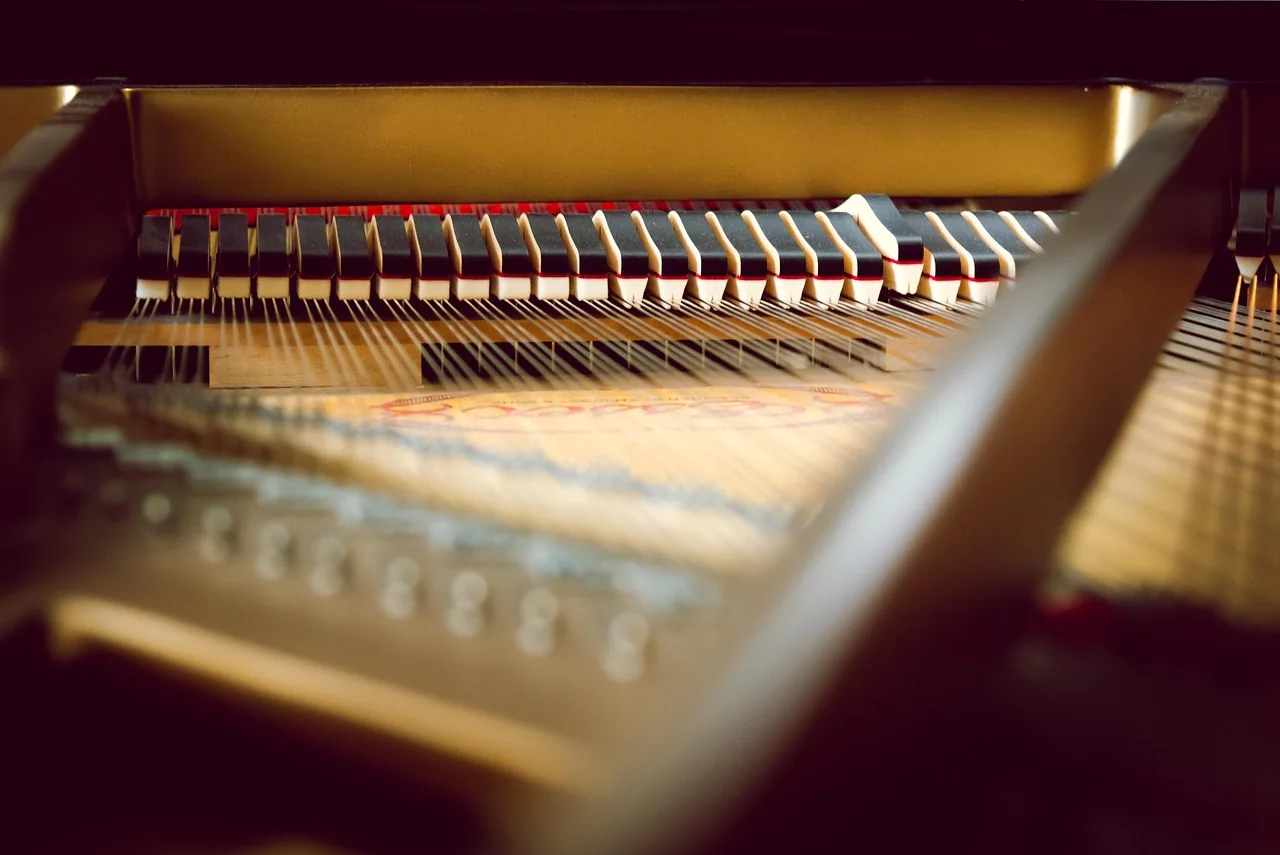
The piano is a unique musical instrument that stands apart from other string instruments. With its keyboard, it can produce musical notes. Many people are drawn to the piano and want to learn to play it.
However, playing the piano is not as simple as it may seem. It requires sound technique and regular practice. Learning the piano takes time and commitment, but it is well worth the effort.
The piano offers a wide range of sounds and opportunities for musical expression. Its keyboard lets you play harmonious melodies and create distinctive moods. Whether you are a beginner or an experienced pianist, the piano is a musical instrument that lets you express yourself and experience powerful emotions.
Whether you dream of becoming a piano virtuoso or simply want to play for your own enjoyment, the piano is a captivating instrument. So take the first step: start learning the piano and discover its full musical potential.
How the piano has evolved over time
The piano has undergone a fascinating evolution over the centuries, from earlier instruments such as the clavichord and harpsichord to the modern pianos we know today. This rich history reflects the continuing development of this versatile musical instrument.
The piano’s history dates back to the early eighteenth century, when Bartolomeo Cristofori invented the first piano with struck strings. This innovation allowed for greater musical expression because the keyboard keys could make the hammers strike the strings with varying force. This new kind of piano soon grew popular and was adopted by renowned composers of the time.
Over time, different kinds of piano were developed to meet musicians’ needs and take advantage of advances in technology. One of the best known is the grand piano, named for its distinctive shape. Grand pianos are valued for their rich sound and expressive range. They are often used in concerts and professional recordings.
Another common type is the upright piano, also called a vertical piano. Unlike a grand piano, an upright has a vertical structure, making it more compact and suitable for smaller spaces. It is widely used in homes and music classrooms.
In addition to taking different forms, the piano has inspired many renowned composers to create works specifically for it. Masters such as Ludwig van Beethoven, Frédéric Chopin and Claude Debussy left a valuable musical legacy, enriching the piano repertoire with works of great beauty and complexity.
The piano has evolved into the versatile, expressive instrument we know today. Its different forms and the contributions of composers have helped it remain popular and continue to develop over time.
The challenges of learning the piano
Although the piano may seem easy to approach at first, it presents challenges of its own. Many people begin playing the piano enthusiastically but soon encounter difficulties. Learning the piano requires suitable technique, good coordination of the hands and fingers, and good posture. Understanding how to use your body properly is important for mastering the piano.
When you start learning the piano, developing a solid technique is essential. This means improving finger dexterity, strengthening coordination between the hands and learning to move smoothly. Proper posture also plays a crucial role in how you play. Poor posture can cause excessive muscle tension and interfere with your playing.
Everyone learns and masters the piano in their own way, but patience and perseverance matter. Some challenges may seem discouraging at first, yet regular practice and a disciplined approach can help you overcome them. Progress may not happen overnight, but time and commitment can help you reach a satisfying level of playing.
Hand and finger coordination
Coordinating the hands and fingers is one of the most common challenges in learning the piano. Each hand has a different role, and synchronizing their movements is essential to producing a harmonious melody. This takes practice and patience, as coordinating both hands while reading musical notes can be difficult at first.
Learning to play the piano is like learning to dance. Each hand has its own part to play, and you need to find a balance between them. It takes coordination, practice and confidence.
Several exercises and methods can improve hand and finger coordination. Playing symmetrical or complementary patterns with both hands at the same time can help develop this skill. Working on each hand separately and doing exercises to strengthen the fingers can also improve overall coordination.
Why posture matters
Posture is essential to playing the piano easily and smoothly. Poor posture can cause muscle tension and pain while limiting your freedom of movement. To avoid this, sit upright, keep your arms and wrists relaxed, and adjust the seat and keyboard height to find a comfortable position.
Good posture will help you play the piano more easily and comfortably. You will be able to produce a more beautiful sound, avoid pain and injury, and make faster progress as you learn.
Paying attention to your posture from the start of piano lessons is recommended so that you develop good habits. An ergonomic chair and muscle stretches may also help you maintain suitable posture.
Being patient and persistent
Learning to play the piano takes time and patience. It is important not to become discouraged by the challenges you encounter. Everyone progresses at their own pace, and perseverance is essential.
Perseverance is the key to overcoming the challenges of learning the piano. Even when it feels difficult, keep practicing regularly and you will gradually see your progress.
Setting short-term goals can help you stay motivated and measure your progress. Experienced mentors or piano teachers can also offer valuable support and advice throughout the learning process.
Tips for improving at the piano
Here are several tips to help you keep improving at the piano. They can help you develop your technique and gain greater command of this musical instrument:
1. Practice regularly
Regular practice is essential to improving at the piano. Set aside a defined amount of time for the instrument each day. Schedule sessions, preferably at the same time, to establish an effective routine. As you accumulate practice hours, you will strengthen your skills and develop dexterity.
2. Suitable learning resources
To make effective progress, it is important to find quality learning resources. Many books, online courses and apps are devoted to learning the piano. Choose resources that suit your level and goals. Some methods are designed specifically to help you develop your technique and gradually learn new pieces.
3. Online guidance
The internet is full of advice and tips for improving at the piano. Look for tutorials, videos and online lessons from experienced pianists. You can find practical ways to improve your technique, advice on musical interpretation and exercises to develop particular skills. Check where the advice comes from and favour resources known for their quality.
4. Listen to your body
When practicing the piano, pay attention to your body. Maintain good posture to avoid muscle tension and pain. Sit in a comfortable, stable position with your back straight and shoulders relaxed. Adjust the seat height and your position in front of the keyboard as needed so that you feel comfortable while playing.
5. Practice without pain
Piano practice should not be painful. If you feel pain or excessive tension, take a break and review your technique. Aim for relaxed, fluid movements, paying particular attention to the position of your hands and fingers on the keyboard. If you have difficulty, consult a piano teacher who can guide you and correct your movements.
“Regular, pain-free practice is the key to improving at the piano. Be patient and persistent, and you will see meaningful results.”
By following these piano-playing tips, you can make considerable progress and develop your technique.
| Tip | Description |
|---|---|
| Practice regularly | Set a daily practice schedule and devote time to improving your piano playing. |
| Suitable learning resources | Use books, online courses and apps suited to your level to support your learning. |
| Online guidance | Use online advice and tips to improve your technique and develop your musicality. |
| Listen to your body | Maintain good posture and pay attention to your body to avoid tension and pain. |
| Practice without pain | Use relaxed movements and ask for help if you experience pain or excessive tension. |
The different sensations of playing the piano
Playing the piano brings a wide range of sensations connected to your movements, body position and the sound you produce. Becoming aware of these sensations and examining them can help you improve your technique and progress as a pianist. Here are some key parts of this sensory experience.
Movements at the piano
Movements at the piano are essential to producing a precise, expressive sound. Coordinating both hands well is crucial to playing with subtlety and skill. Each movement should be precise, with suitable posture, the right angle for pressing the keys and the force needed to achieve the desired result.
Body position
Body position at the piano plays an important role in the quality of your performance. Good posture provides greater stability and makes movement easier while reducing fatigue and the risk of injury. Keep your back straight, your shoulders relaxed, and your arms and wrists loose. A balanced, relaxed position supports precise, fluid playing.
The sound you produce
The sound of the piano is at the heart of musical expression. Play each note with care and aim for the best possible sound. This means varying the intensity, duration and resonance of notes to convey the emotions and nuances of the piece. By listening closely, a pianist can adjust their technique to produce a rich, balanced and engaging sound.
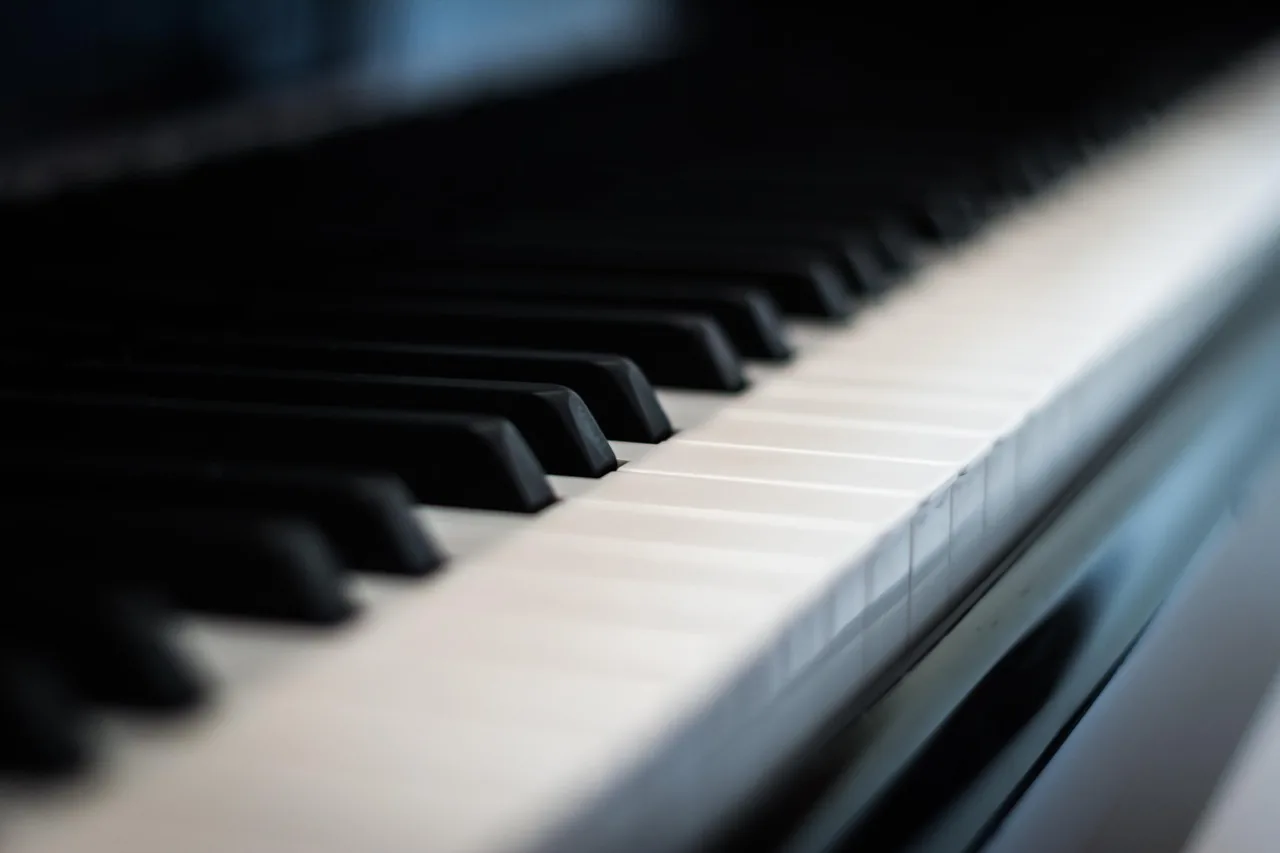
The piano offers a unique sensory experience. Movements at the piano, body position and the resulting sound all contribute to the instrument’s appeal. By becoming aware of these sensations and working with them, a pianist can improve their technique, develop their musicality and give unforgettable performances.
| Sensation | Action |
|---|---|
| A feeling of lightness | Adjust your touch and the pressure you apply to the keys to produce a soft, delicate sound. |
| A feeling of power | Use firmer, more energetic movements to produce a strong, striking sound. |
| A feeling of fluidity | Work on coordinating your movements and synchronizing your hands for smooth transitions between notes and chords. |
| A feeling of resonance | Use the sustain pedal to extend the resonance of notes and create rich, enveloping sound effects. |
The importance of practice and commitment
To play the piano well, it is essential to make time for regular practice. Daily practice develops technique, fluency and musicality. It is important to commit to learning and persevere through difficulties. With dedication and clear goals, you can make progress and become an accomplished pianist.

Regular piano practice is key to success. Spending time with the instrument every day helps you develop a close connection with it. This improves your technique, your ability to read sheet music and your understanding of music. Daily practice also strengthens muscle memory, making pieces easier to memorize.
Commitment to learning the piano is just as important as regular practice. Set goals and devote yourself fully to them. This means staying disciplined and persevering through ups and downs. Commitment helps you overcome obstacles and keep progressing, even when the results are not immediately visible.
“Practice builds skill, but commitment makes the difference.”
By committing fully to learning the piano, you also develop a deeper relationship with music. You learn to feel and interpret the emotions conveyed by compositions. This commitment helps you play with passion and express your creativity.
To play the piano well, make time for regular practice and commit yourself to learning. Daily practice develops technique and musicality, while commitment helps you overcome obstacles and continue improving. Together, they can help you become an accomplished pianist and enjoy the art of piano playing to the fullest.
Conclusion
The piano is an important musical instrument that offers exceptional versatility and opportunities for expression. Its ability to produce rich, varied harmonies makes it popular with many musicians and music lovers.
Mastering the piano takes time, commitment and regular practice. The tips and advice in this article can help aspiring pianists progress on their musical journey.
By following these tips, committing to learning the instrument and practicing regularly, you can make significant progress toward mastering the piano. Technique, hand coordination, posture and musicality can all be refined over time through practice.
The piano is a fascinating instrument that deserves our attention and dedication. With commitment and regular practice, anyone can move closer to mastering the piano and fully enjoy the beauty of this musical art.
FAQ
What is a piano?
The piano is a unique musical instrument that stands apart from other string instruments. It has a keyboard and produces musical notes.
What is the history of the piano?
The piano developed from earlier instruments such as the clavichord and harpsichord. Over time, new types of piano emerged, including the grand and upright piano. Many famous composers wrote works specifically for the piano, contributing to its development as a musical instrument.
What are the challenges of learning the piano?
Playing the piano requires suitable technique, good hand and finger coordination, and good posture. Understanding how to use your body properly is important for mastering the piano.
What tips can help you improve at the piano?
Some tips for improving at the piano include practicing regularly, finding suitable learning resources and seeking reliable advice online. It is also essential to pay attention to your body and play comfortably, without pain.
What sensations are involved in playing the piano?
Playing the piano involves different sensations related to movement, body position and the sound produced. Becoming aware of these sensations and examining them can help improve your technique.
Why are practice and commitment important?
To play the piano well, it is essential to make time for regular practice. Daily practice develops technique, fluency and musicality. It is important to commit to learning the piano and persevere through difficulties.
Why is the piano important?
The piano is an exceptional musical instrument with many possibilities for musical expression. However, mastering it takes time, commitment and practice.