
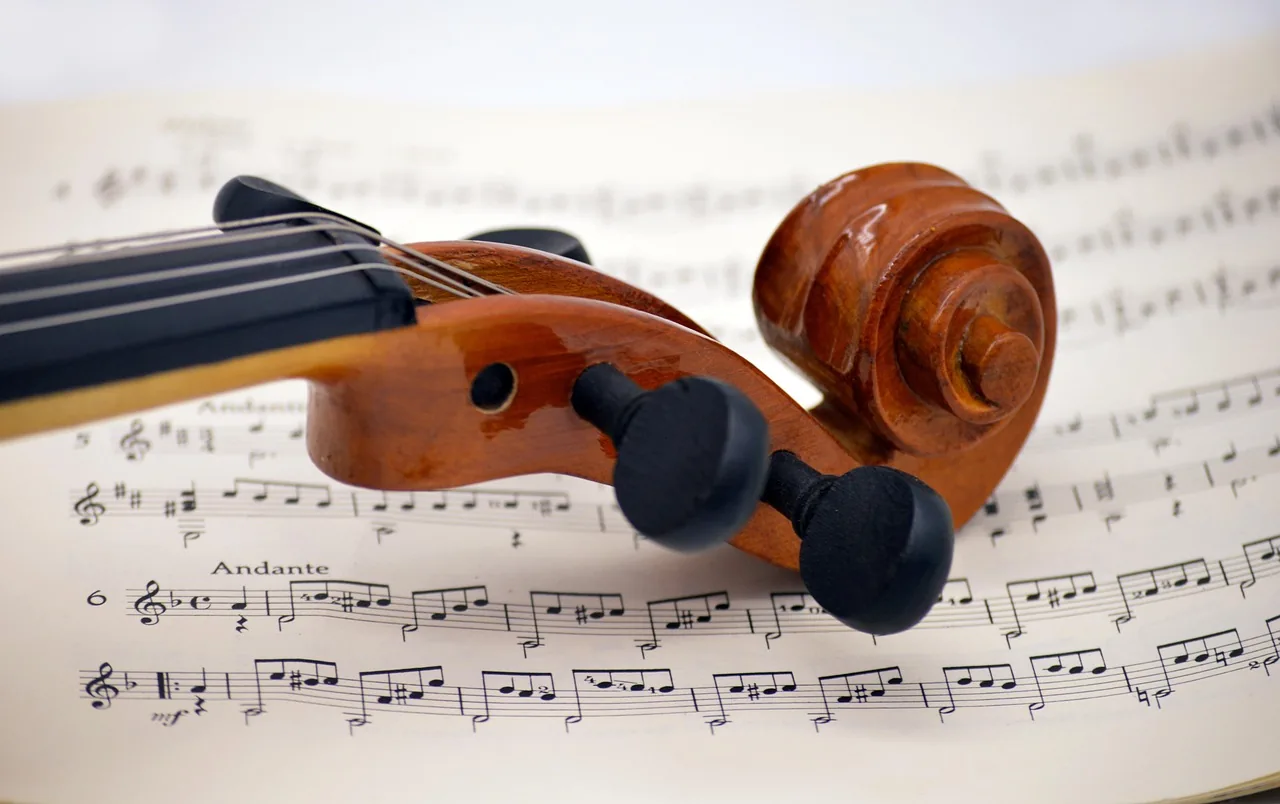
String instruments are essential to the world of music. Whether they have plucked strings, bowed strings or struck strings, these instruments offer a wide range of sounds and musical styles. They are indispensable to musicians who want to express their creativity through music.
This article presents the 7 most popular and essential string instruments for any musician. From solo performances to orchestras, these instruments play a crucial role in making music.
Read on to discover the different sounds and distinctive qualities of the guitar, violin, cello, double bass, harp and lute. Whether you are a beginner or a professional, there is bound to be a string instrument that appeals to you and inspires you on your musical journey.
The guitar
The guitar is one of the most iconic and versatile string instruments. It features in many musical genres, from pop and rock to jazz. There are different types of guitars, including the acoustic guitar, the electric guitar and the classical guitar. Each type has its own characteristics and offers unique sonic possibilities.
The acoustic guitar is often used to play unplugged pieces and has a clear, warm sound. It is ideal for solo performances or small groups.
The electric guitar, meanwhile, is a favorite instrument of rock and blues musicians. It allows players to use sound effects and produce powerful electric tones.
The classical guitar is used mainly in classical music and flamenco. It stands out for its gentle sound and rich tone. Classical guitarists use specific techniques, such as fingerpicking, to create intricate, delicate melodies.
Whatever the type of guitar, this string instrument is loved by musicians around the world. Whether you want to play acoustic, electric or classical music, the guitar offers many opportunities for musical expression and remains essential for any music enthusiast.
| Type of guitar | Characteristics |
|---|---|
| Acoustic guitar | Clear, warm sound; ideal for acoustic performances |
| Electric guitar | Powerful electric tones; used mainly in rock and blues |
| Classical guitar | Gentle, rich sound; used in classical music and flamenco |
The violin
The violin is a bowed string instrument used mainly in orchestras. It is played with a bow and produces expressive, melodic sounds. The violin is often considered one of the most difficult instruments to master because of its complex technique. Nevertheless, it offers a wide range of tonal nuances and holds an essential place in classical music.
An iconic orchestral instrument
The violin is one of the orchestra’s most iconic string instruments. It occupies a central place in the string section and plays an essential role in shaping the harmony and overall sound of the ensemble.
When played with a bow, the violin produces rich, warm sounds. The combination of string tension, bow pressure and playing technique allows musicians to create a variety of tones and musical expressions.
Violin technique
Mastering the violin requires precise, disciplined technique. Musicians must learn to place their fingers on the strings to produce different notes and to handle the bow accurately and confidently.
The violin’s tone can vary with the pressure applied to the strings, the speed of the bow and the position of the fingers. Musicians must develop sensitivity and attentive listening to adjust their playing and get the most from this delicate instrument.
A versatile instrument
The violin is not limited to classical music. It also features in other genres, such as jazz, folk and even rock. Its distinctive sound allows it to adapt to different styles and explore varied musical possibilities.
Whether played solo, in chamber music or as part of an orchestra, the violin gives musicians endless opportunities for artistic expression.
With its bow and strings, the violin is a bowed string instrument central to the orchestra. Its expressive, melodic sound makes it one of the most beloved instruments in classical music. Its complex technique demands considerable skill but rewards players with an incomparable range of tonal nuances. Whether played solo, in chamber music or as part of an orchestra, the violin continues to delight listeners and fascinate musicians around the world.
The cello
The cello is a bowed string instrument in the violin family. Larger than the violin, it produces low, deep sounds that add a harmonic dimension to music. Used mainly in orchestras, the cello has a rich, warm tone that makes it essential to classical music.
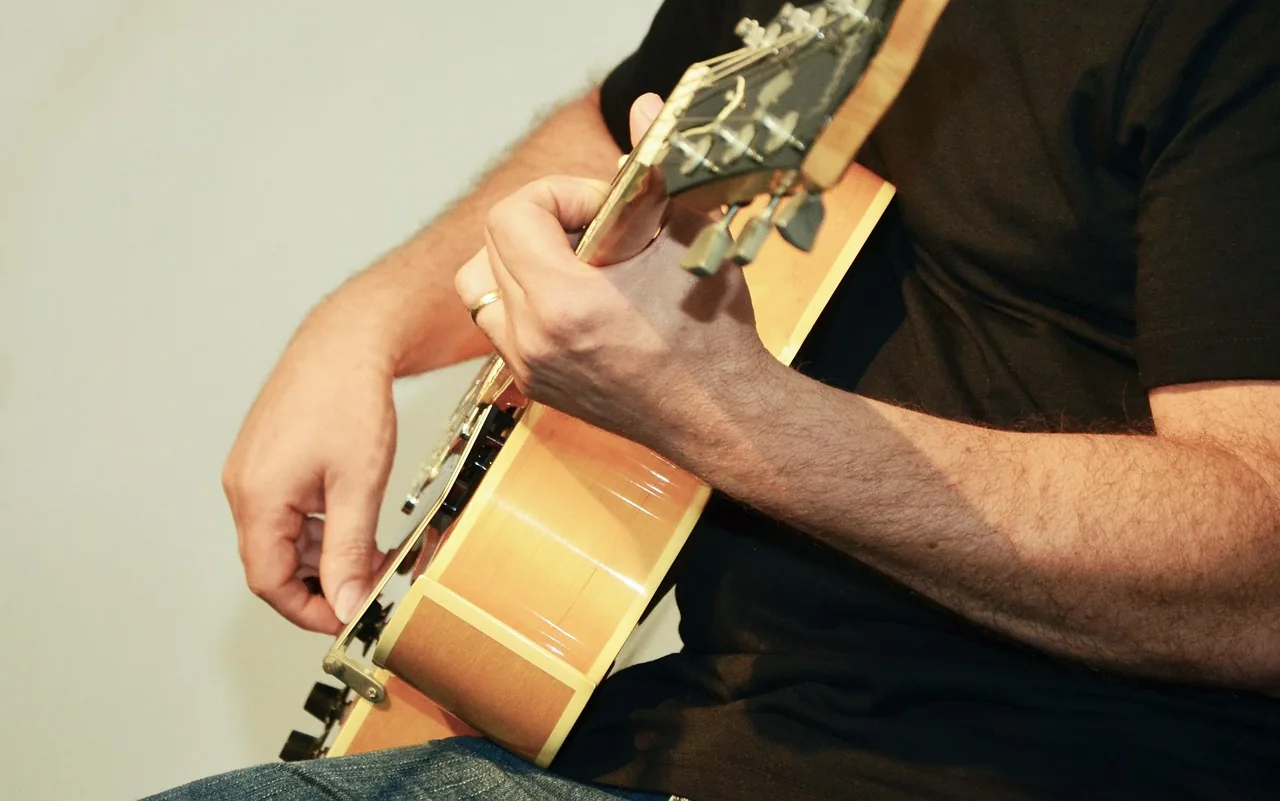
The cello is played with a bow, allowing musicians to express the full range of emotions this instrument can convey. Its imposing size and its position between the cellist’s knees make it visually striking on stage.
The cello plays an essential role in an orchestra: it provides the lower notes and strengthens the music’s harmony. Its deep, powerful sound allows it to stand out within the ensemble.
Beyond classical music, the cello also appears in other genres, such as jazz and contemporary music. Its versatility allows musicians to adapt it to different styles and create distinctive sounds.
Renowned cellists such as Yo-Yo Ma and Jacqueline du Pré have pushed the boundaries of the instrument and demonstrated its beauty and complexity.
| Advantages of the cello | Disadvantages of the cello |
|---|---|
|
|
The double bass
The double bass is the lowest-pitched string instrument in the violin family. It is used mainly in orchestras to play the bass line. The double bass is played with a bow or with the fingers and produces powerful, deep sounds. It is indispensable for giving orchestral music depth and stability.
Double bass players are experienced musicians who have mastered this imposing instrument. They help maintain rhythm and harmony in the orchestra while interacting closely with the other instrumental sections.
The double bass is often associated with genres such as jazz, blues and classical music. Its deep timbre and essential role in harmonic and rhythmic structure make it a pillar of the orchestral ensemble.
Characteristics of the double bass:
- Large string instrument
- Powerful, deep sound
- Played with a bow or with the fingers
- Contributes to the bass line in the orchestra
Whether in a classical performance, a jazz groove or an orchestral piece, the double bass adds a unique dimension to the music. Its fundamental role in the orchestra makes it an essential instrument for creating a harmonious, captivating atmosphere.
“The double bass, with its dark timbre and deep sound, is like the foundation on which the entire orchestra rests.” — Alexandre, professional double bass player
The double bass in music history:
| Period | Famous composers |
|---|---|
| Baroque period | Johann Sebastian Bach, Antonio Vivaldi |
| Classical period | Wolfgang Amadeus Mozart, Ludwig van Beethoven |
| Romantic period | Richard Wagner, Pyotr Ilyich Tchaikovsky |
The double bass has endured through the ages of music and continues to hold an essential place in contemporary compositions. Its majestic stage presence and fundamental orchestral role make it a fascinating, versatile string instrument.
The harp
The harp is a plucked string instrument that produces gentle, melodious sounds. It is often associated with classical music and is an integral part of symphony orchestras. The harp is played by making arpeggios with the fingers. Its ethereal tone makes it essential for creating magical, enchanting atmospheres.
With its many strings and imposing size, the harp offers a broad range of notes and scales. By moving their fingers precisely across the strings, harpists can create flowing, harmonious melodies. This string instrument is ideal for accompanying violin or piano solos, adding a subtle, enchanting touch to the orchestra as a whole.
A versatile instrument
The harp is used in genres ranging from classical and folk to Celtic music. It can be played solo, in a duet or even in an ensemble. Its enchanting sound creates magical, mysterious atmospheres that transport listeners to another world.
“The harp is an instrument of great beauty and expressiveness. Its arpeggios create a unique, captivating musical texture. Playing the harp and exploring all its sonic possibilities is a real pleasure.” — Claire, professional harpist
Whether in a symphony orchestra, a traditional music group or as a solo instrument, the harp adds a magical dimension and melodic gentleness that enchant listeners. Its distinctive sound blends beautifully with other string and wind instruments, creating rich, harmonious compositions.
The image of the harp
When people think of the harp, they often picture something romantic and fairy-tale-like. This elegantly shaped instrument with its gleaming strings evokes a poetic world. Its appearance also makes it an important visual element at concerts and performances.
The harp is a string instrument that fascinates through its beauty and enchanting sound. Whether in an orchestra, solo or in an ensemble, it adds a magical touch to every composition. The gentle, melodious arpeggios made by the harpist’s fingers transport listeners to another world, where music evokes reverie and delicacy.
The lute
The lute is a plucked string instrument that was very popular during the Renaissance. It is played by plucking the strings with the fingers and has a distinctive sound.
The lute is often used to accompany singing or instrumental pieces of early music. Its delicate timbre and versatility make it a favored choice for recreating the sounds of the period.
Lutes come in different sizes, each with its own tonal characteristics. One of the most popular variants is the theorbo, a lute with additional bass strings. The theorbo adds a unique harmonic depth to the lute’s sound, allowing it to shine as a solo instrument or as accompaniment in larger ensembles.
The lute played an essential role in Renaissance music and continues to bring a historical, authentic touch to early music.
| Advantages of the lute | Limitations of the lute |
|---|---|
|
|
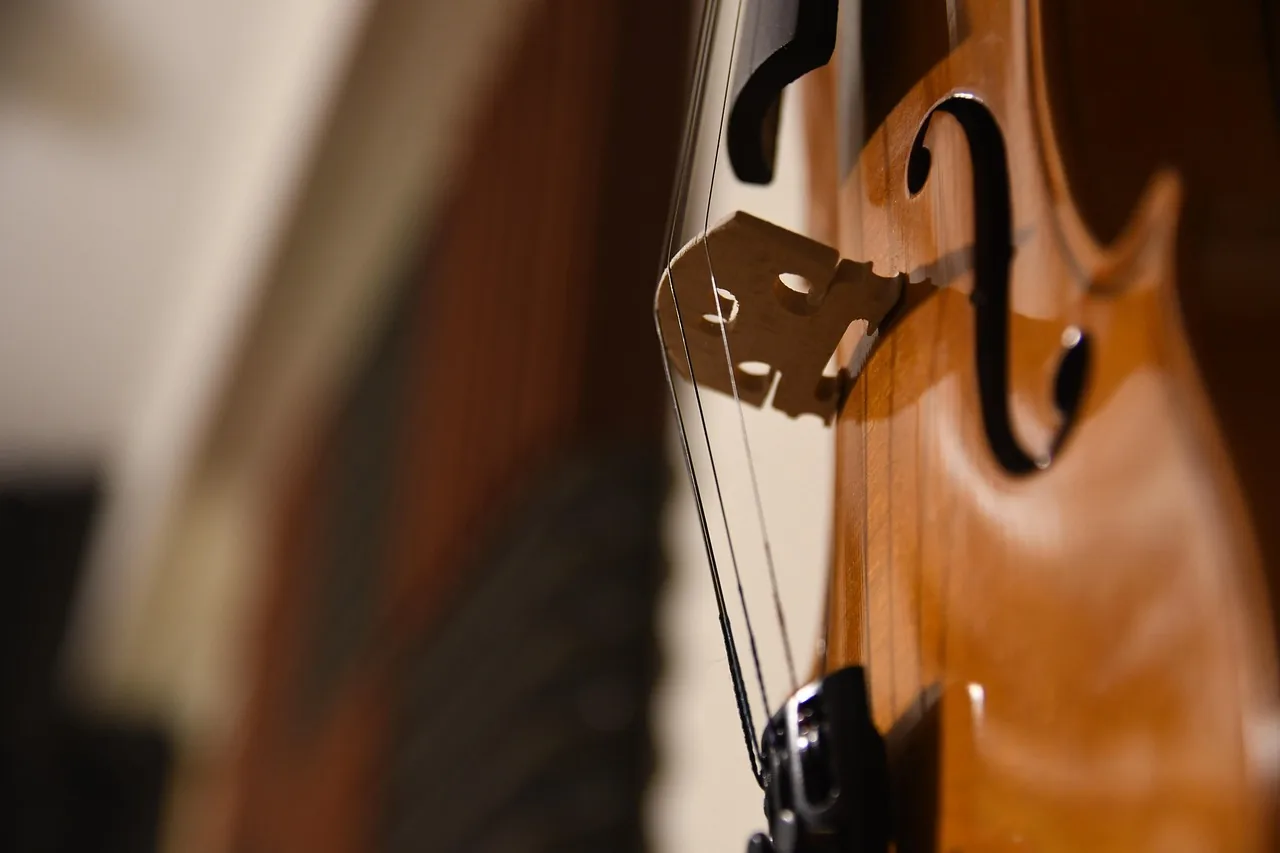
Whether you want to rediscover Renaissance music or explore new sonic horizons, the lute is a one-of-a-kind string instrument well worth discovering and appreciating.
Conclusion
String instruments such as the guitar, violin, cello, double bass, harp and lute are essential to the world of music. They offer incomparable richness of sound and are used in different musical genres, where they play a vital role in creating music. Musicians around the world appreciate these instruments’ distinctive sounds and use them to express their artistic creativity.
Whether you are a professional musician or a passionate amateur, there is bound to be a string instrument that appeals to you and inspires you on your musical journey. The guitar, with its acoustic, electric and classical varieties, is a versatile choice. The violin, with its bow and melodic sound, is indispensable in orchestras. The cello, with its low, deep tone, adds a harmonic dimension to classical music. The double bass gives orchestral music depth and stability. The harp creates magical, enchanting atmospheres with its gentle, melodious arpeggios. The lute, meanwhile, recalls the early music of the Renaissance and offers a distinctive sound.
In conclusion, string instruments are indispensable companions for all musicians. Their variety of sounds and ability to express emotion make them essential tools for creating musical masterpieces. Whether you want to play solo, in a group or in an orchestra, string instruments offer an endless world of musical possibilities. Immerse yourself in this fascinating world and explore the beauty of music through string instruments.
FAQ
Which string instruments are the most popular and essential?
The most popular and essential string instruments are the guitar, violin, cello, double bass, harp and lute.
What types of guitar are there?
There are different types of guitars, including the acoustic guitar, electric guitar and classical guitar.
What role does the violin play in an orchestra?
The violin is used mainly in orchestras. It is played with a bow and produces expressive, melodic sounds.
What makes the cello distinctive?
The cello is larger than the violin and produces low, deep sounds. It is often used in orchestras to add a harmonic dimension to the music.
What role does the double bass play in an orchestra?
The double bass is used mainly in orchestras to play the bass line. It is played with a bow or with the fingers and produces powerful, deep sounds.
What role does the harp play in an orchestra?
The harp is played by making arpeggios with the fingers. It produces gentle, melodious sounds and is an integral part of symphony orchestras.
What makes the lute distinctive?
The lute is a plucked string instrument that was very popular during the Renaissance. It is played by plucking the strings with the fingers and has a distinctive sound.
What role do string instruments play in music?
String instruments are essential to music. They offer incomparable richness of sound and play a vital role in creating music.