
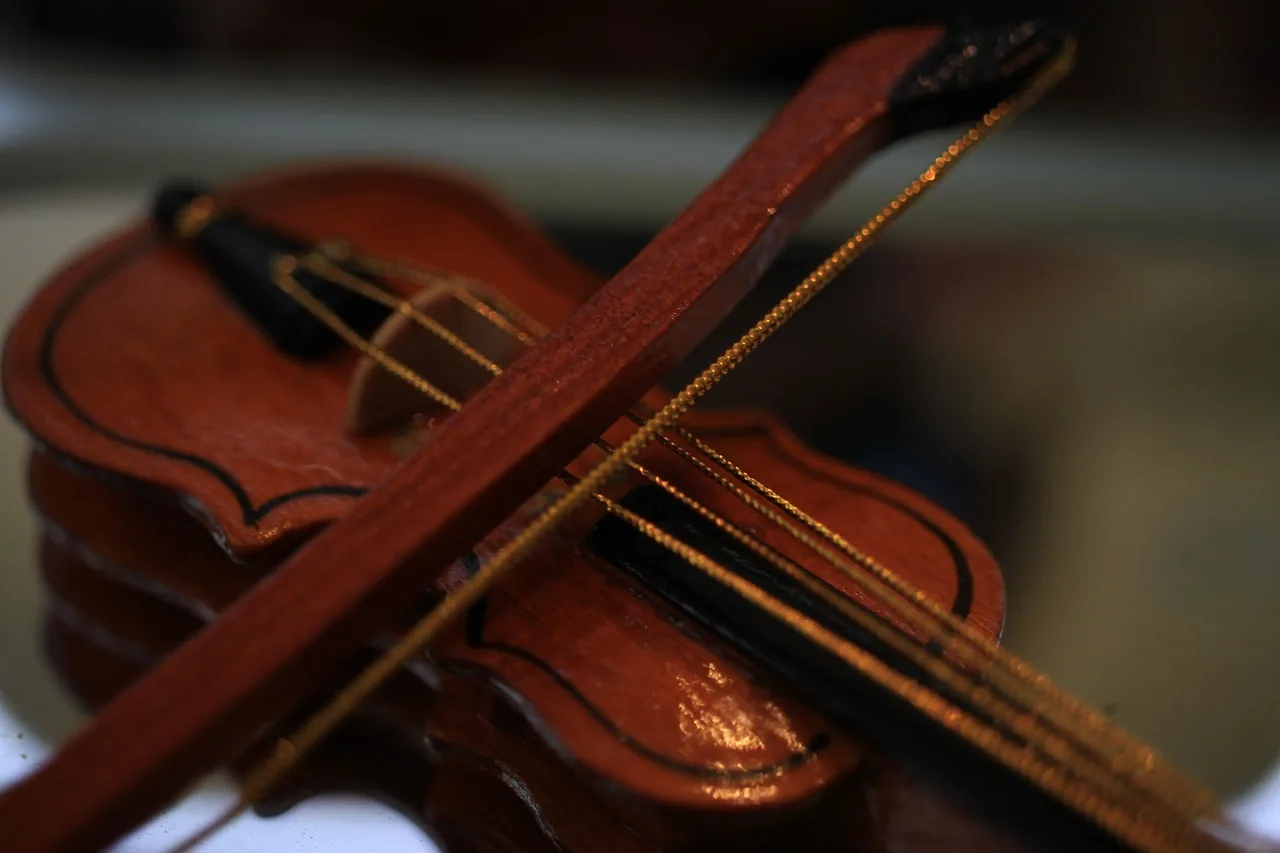
Your violin strings play an important role in the sound of your instrument. Choosing them carefully is essential. With so many options available, it can be hard to know where to start.
Steel, gut and synthetic strings are the main options. Steel strings last longer and resist oxidation better. Gut strings have a distinctive sound but require more frequent adjustment.
Synthetic strings, such as those made by Thomastik-Infeld, offer good value for money. They are also less sensitive to changes in humidity.
Your choice of strings depends on several factors. Your playing level, musical style and personal preferences all matter. This guide will help you understand the different types of strings so you can find the best ones for your violin.
The basics of violin strings
Violin strings are essential to sound quality. There are several types, each with its own advantages. Gut strings produce a gentle sound, while metal strings have a clearer tone. Synthetic strings share characteristics of both types.
Choosing the right strings is essential. They should suit your violin and the way you play. Your violin strings should match the size of your instrument and your preferred sound.
The importance of strings to a violin’s sound is considerable. Your choice can make a big difference to your musical experience. Here are a few points to consider:
- The string size should match the size of your violin.
- Plain gut or gut-core wound strings offer a gentle, warm tone.
- Metal strings produce a powerful, clear sound.
- Synthetic strings offer a balance between gut and metal strings.
In conclusion, violin strings are essential to achieving a good sound. By choosing suitable strings, you can improve your musical experience.
| String type | Characteristics | Advantages |
|---|---|---|
| Plain gut or gut-core wound strings | Gentle, warm sound | Suit musical styles that call for a softer tone |
| Metal strings | Powerful, clear sound | Suit musical styles that call for a more powerful tone |
| Synthetic strings | A balance between gut and metal strings | Suit musicians looking for a balanced tone |
Materials used to make strings
Violin strings are made from different materials: gut, metal and synthetic materials. Each has its own qualities. Gut strings produce a warm sound, while metal strings offer a clearer tone.
The type of violin and style of music influence the choice of material. Gut strings are often used on Baroque violins. Metal strings are more common on modern violins. Synthetic strings offer a good balance between warmth and clarity.
String manufacturing requires great precision. Strings must be made carefully to provide good sound and a long service life. Manufacturers use various materials and techniques to meet musicians’ needs.
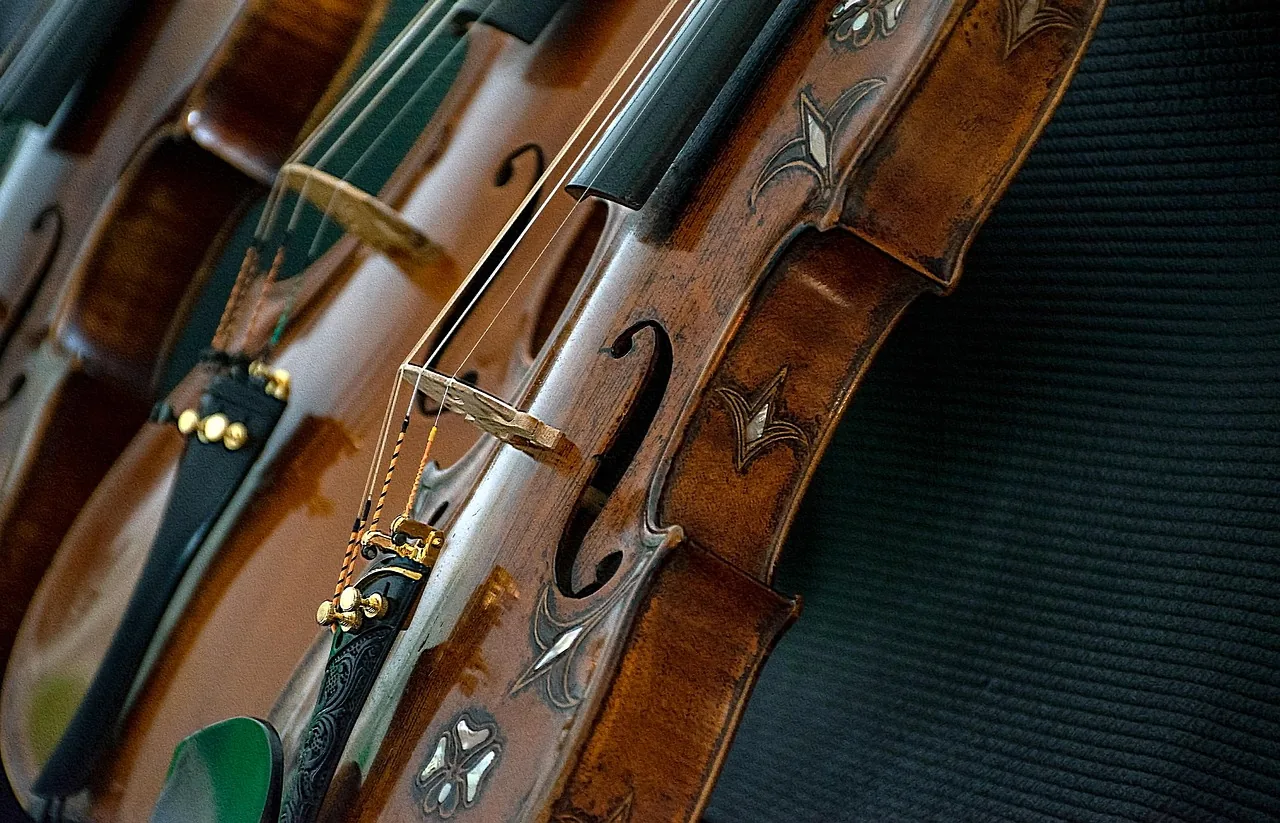
- Gut
- Metal
- Synthetic materials
These materials can be used alone or combined to create strings with different characteristics. Musicians choose strings that suit their style and instrument.
| Material | Characteristics | Advantages |
|---|---|---|
| Gut | Warm, gentle tone | Ideal for Baroque violins |
| Metal | Powerful, clear sound | Ideal for modern violins |
| Synthetic materials | Warm, powerful tone | A balance between the two |
How to choose violin strings for your playing level
The choice of violin strings depends on several factors, including your playing level. Beginners look for strings that are easy to play. Intermediate and professional musicians want a good balance between playability and sound quality.
Choosing strings suited to your playing level is essential. Strings for beginners should be easy to play and sound good. Intermediate and professional musicians need precise, expressive strings.
To choose your violin strings well, consider the following:
- Ease of playing
- Sound quality
- Lifespan
- Price
Here are some strings suited to different levels:
| Level | Strings | Characteristics |
|---|---|---|
| Beginners | Corelli Crystal | Easy to play, clear tone |
| Intermediate | Thomastik Dominant | Balance between playability and sound quality |
| Professionals | Evah Pirazzi | High quality, great precision and expressiveness |
Leading violin string brands
Choosing the right violin strings is essential to achieving a good tone. Thomastik-Infeld, Pirastro and D’Addario are well-known brands. They offer quality strings for every playing level and musical style.
Thomastik-Infeld strings are valued for their stability and playability. Pirastro strings offer a warm, rich sound. D’Addario strings are durable and resilient. They suit musicians from beginners to professionals.
Each brand offers strings with distinct characteristics that meet particular needs. Thomastik-Infeld strings are excellent for music studies. Pirastro strings are ideal for early music. D’Addario strings are recommended for their durability and resilience.
Thomastik-Infeld
Thomastik-Infeld is an Austrian brand of high-quality violin strings. Its strings are stable and easy to play, making them ideal for music studies.
Pirastro
Pirastro is a German brand of high-quality violin strings. Its strings offer a warm, rich sound that is ideal for early music.
D’Addario
D’Addario is an American brand of high-quality violin strings. Its strings are durable and resilient, making them ideal for players who want quality and longevity.
String tension and its effect on playing
Violin string tension greatly affects how the instrument plays. Strings that are too tight are difficult to play. Strings that are too loose produce a weak, unfocused sound. Some experts say that the ideal tension depends on several factors.
Beginners often prefer lower-tension strings, which are easier to play. Higher-tension strings can, however, offer a brighter sound and better projection.
String tension varies with vibrating length and material. To learn more about bowed string instruments, visit this page.
Here are some examples of total violin string tension:
- Lowest observed total tension: 20.5 kg (Solea – Light)
- Highest observed total tension: 24.8 kg (Prelude – Standard, Timbre – Standard)

In conclusion, violin string tension strongly influences playability and sound. Choosing strings suited to your level and musical style is essential to achieving a better sound.
String care and lifespan
Caring for violin strings is essential to extending their lifespan. A less pure sound, greater difficulty playing and visible wear are signs that it is time to change them. To limit these problems, clean the strings regularly and replace them when needed.
String lifespan depends on several factors, including how often you play, perspiration from your hands and changes in tension. Steel strings last longer than gut strings. Choose strings that suit your level and needs, such as those featured on lutherie.art.
Here are a few tips for caring for your violin strings:
- Clean the strings after each use
- Use two cloths: one for the strings and one for the parts that touch your skin
- Wash your hands before playing to avoid getting the strings dirty

Following these tips can extend the life of your strings and preserve your violin’s sound quality. Watch for signs of wear and replace the strings when needed so you can continue playing comfortably.
How much to budget for strings
The cost of violin strings varies according to their quality and type. High-quality strings cost more but offer better sound and greater durability. It is essential to consider your violin string budget when choosing.
Violin string prices vary considerably. For example, Thomastik Dominant strings cost around €48. Pirastro Tonica Gold Label strings cost around €37. Finding a good balance between quality and string cost is essential to achieving the sound you want.

Here are a few tips for setting your violin string budget:
- Consider the quality and type of strings you want
- Find out the prices of different string brands and models
- Compare string prices and features to find the best value for money
In short, your violin string budget depends on the quality and type you are looking for. Consider these factors to find a good balance between quality and string cost.
Conclusion: making the right choice for your instrument
Choosing the right strings for your violin is essential to achieving good sound quality and better playability. Consider the string type, tension, brand and budget.
Gut strings offer a rich sound but require frequent care. Metal strings produce a powerful sound and respond quickly, making them suitable for modern music. Synthetic strings combine advantages of both, offering warmth and durability.
Whether you are a beginner or a professional, choosing strings suited to your level and violin is essential. You will be able to play better and enjoy a more satisfying experience.