
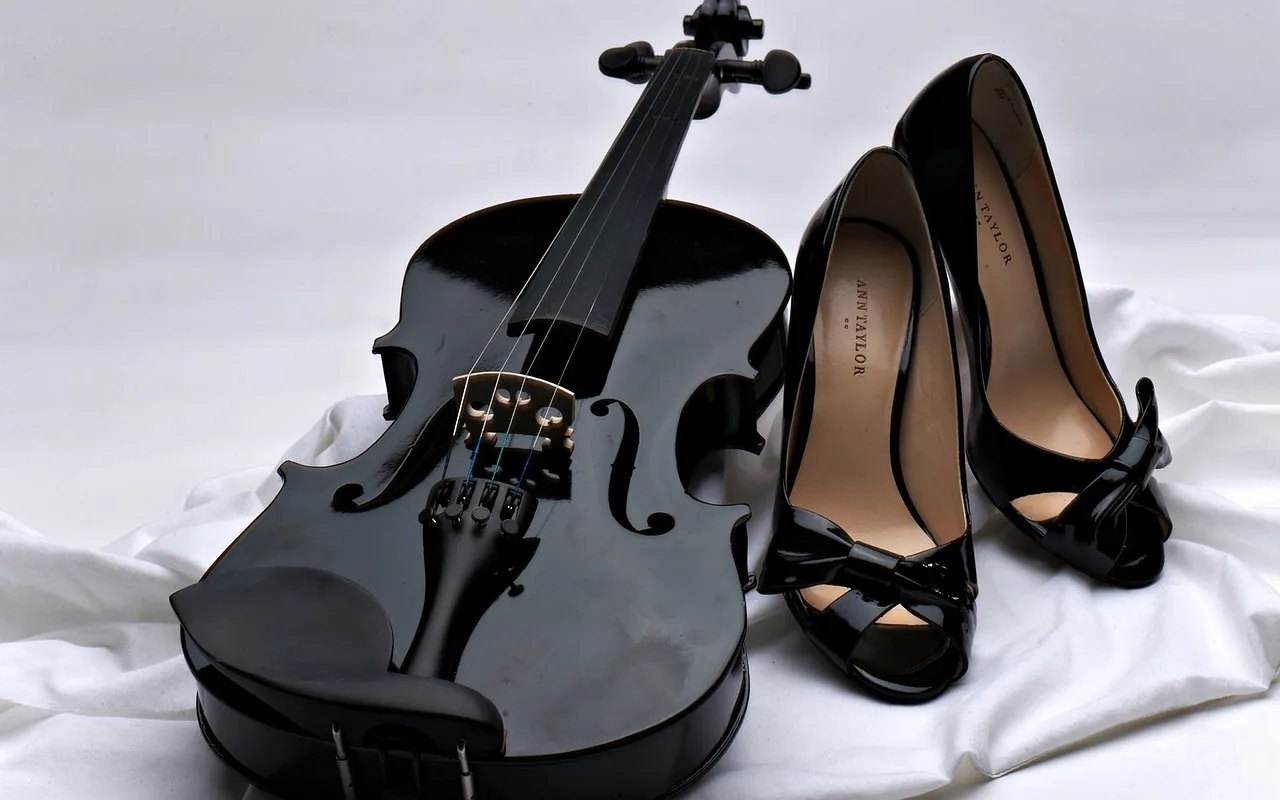
The violin is a symbol of cinema. It is used to create moving and inspiring atmospheres. Composers such as John Williams and Hans Zimmer have created unforgettable film scores. These works are now considered masterpieces of film music.
Film music moves us deeply. The violin plays a central role in these emotional experiences. Discover the essential film music selections that showcase the violin. Explore the world of the famous composers who have shaped cinema history.
Composers such as Hans Zimmer have impressive careers. They have worked on nearly 150 productions. Films such as Titanic, with its score composed by James Horner, have become classics. The musical influence of these famous composers continues to inspire new generations.
The violin’s history in cinema
The violin has played a crucial role in cinema history, especially in the scores accompanying silent films. Its sound helped create a distinctive atmosphere. The violinist’s role has evolved: once a simple accompanist, the violinist has become a key contributor to film music.
In the early days of silent cinema, music helped set the mood. “The Violin Teacher” and “Chicken with Plums” put the violin in the spotlight. With the arrival of sound films, the violin became more prominent in film scores. Composers such as John Williams and Hans Zimmer have used it to create unforgettable themes.
These films highlighted the importance of the violin in film music. They also brought attention to the violinist’s role in cinema.
The violin in film music: techniques and compositions
The violin is essential to film music. It stirs emotions and creates distinctive atmospheres. Composers use particular techniques to create melodies that accompany the action on screen.
Scores for films such as “Skyfall” and “No Time to Die” show the importance of the violin. Their composers aim to evoke strong emotions and give audiences an immersive experience.
Here are some techniques used to evoke emotions with the violin:
- Using recurring melodic motifs to build dramatic tension
- Employing complex harmonies to evoke intense emotions
- Creating dynamic contrasts to emphasize key moments in the story
| Film | Composer | Artistic orchestration |
|---|---|---|
| Skyfall | Thomas Newman | Use of recurring melodic motifs |
| No Time to Die | Hans Zimmer | Use of complex harmonies |
In conclusion, the violin plays a crucial role in film music. It enables composers to evoke emotions and create distinctive atmospheres. Orchestration and composition techniques are essential to giving audiences an immersive experience.
Great composers and their violin works for cinema
Famous composers play a key role in creating film scores. Their musical influence can be heard in many films. John Williams and Hans Zimmer, for example, have used the violin to create memorable pieces.
European composers have also left their mark on film music. Niccolò Paganini and Renaud Capuçon have used the violin to enrich film music. Paganini wrote 24 caprices for violin. Capuçon released “Cinéma”, an album featuring French composers.
The violin is essential to creating distinctive melodies for films. These composers have influenced many films, underscoring the violin’s importance in film music.
John Williams and his legendary compositions
John Williams is a composer renowned for his violin writing. His works for Star Wars and Indiana Jones illustrate his talent.
Hans Zimmer and sonic innovation
Hans Zimmer has also used the violin to create innovative film scores. His compositions for Pirates of the Caribbean and The Lion King show his musical influence.
European composers and their influence
European composers have also shaped film music. Ennio Morricone and Georges Delerue used the violin to enrich it.
The emotional impact of the violin’s sound
The violin can evoke strong emotions, such as sadness or joy, depending on the film’s music. The violinist’s playing and command of the instrument contribute greatly to this effect.
Film composers value the violin. They use it to create atmosphere, particularly in romantic scenes or moments of tension.
Film music touches our emotions. It can awaken positive or negative feelings in us. Hasan Özsüt, with “7. Koğuştaki Mucize”, shows its importance.
The violin can heighten the emotions evoked by films. This is the case in “7. Koğuştaki Mucize”. The music helps create an emotional balance.
Visit Quatuor Antares to learn more about mastery of the instrument and the violinist’s role in film music.
Conclusion: the violin’s future in film music
The violin has a powerful musical influence in cinema. Composers such as John Williams and Hans Zimmer have made their mark on its history. Their music, rich in violin sounds, touches audiences’ hearts.
Recent works such as “Lift Me Up” show that the violin remains essential. It can express powerful emotions, from tenderness to tension. The violin remains a major asset in moving film audiences.