
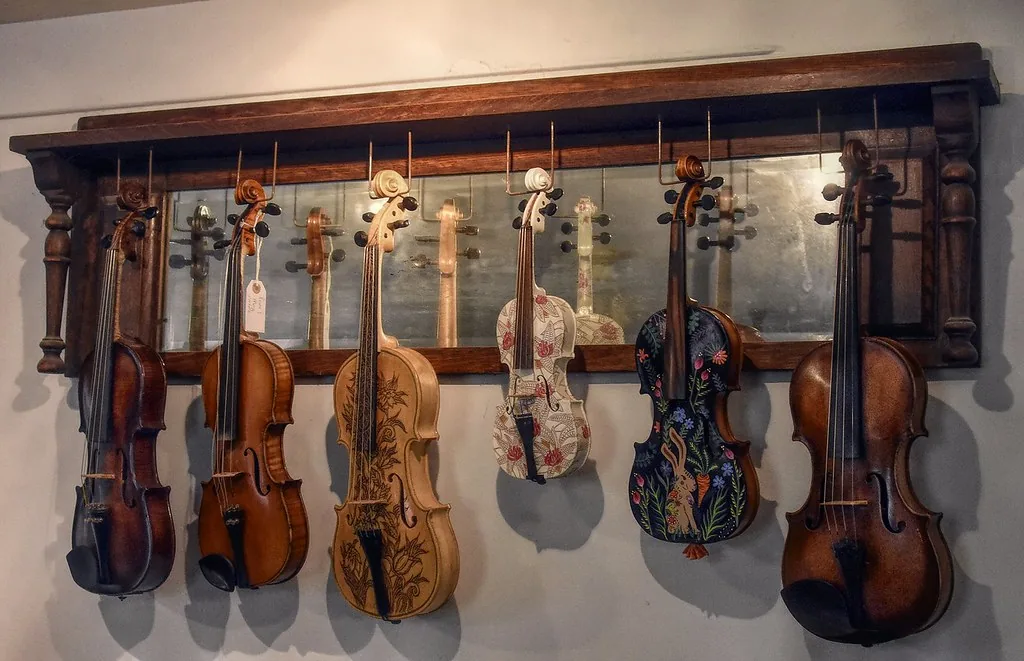
String instruments play an essential role in classical music. Understanding the differences between the violin, viola and cello is important. A comparison of the violin, viola and cello highlights each instrument’s distinctive features, including its size, weight and playing technique.
These differences matter to musicians: they help them choose the instrument that suits them best and develop the skills needed to play it well.
String instruments are used in many musical genres, including classical music, jazz and folk music. Knowing the differences between the violin, viola and cello makes it possible to appreciate the full richness and diversity of music.
The physical characteristics and playing techniques of string instruments affect how they are played and the quality of their sound. Their size and weight influence both the musician’s playing and the sound produced.
Introducing the String Instruments of the Violin Family
The violin family includes the violin, viola, cello and double bass. These instruments have a long history, and their development has been influenced by musicians and composers.
Their role in the symphony orchestra is crucial: they provide a melodic and harmonic foundation. The violin, for example, plays intricate melodies, while the viola adds depth to the music.
History and Development of the Instruments
String instruments have a long history. The earliest were simple instruments, such as the violin. Over time, they diversified and new instruments appeared.
Role in the Symphony Orchestra
String instruments are essential to the symphony orchestra. They provide a melodic and harmonic foundation and create a wide variety of sounds and textures.
Without them, something important would be lost: they bring depth and richness to the music.
Importance in Classical Music
String instruments are essential to classical music. They create intricate melodies and add depth. Their role is irreplaceable.
| Instrument | Number of strings | Number of sections in an orchestra |
|---|---|---|
| Violin | 4 | 2 |
| Viola | 4 | 1 |
| Cello | 4 | 1 |
| Double bass | 4 | 1 |
Physical Characteristics and Dimensions
String instruments such as the violin, viola and cello differ notably in their size and weight. These differences affect the sound they produce and the way they are played.
For example, the body of a viola measures between 38 and 43 cm, compared with about 35.5 cm for a violin. These dimensions affect both sound and playing technique.
Violas come in sizes from 12″ to 16″ ½, while violins range from 1/16 to 4/4. A viola weighs about 550 g, compared with 460 g for a violin. These differences in weight and size affect how the instruments are played.
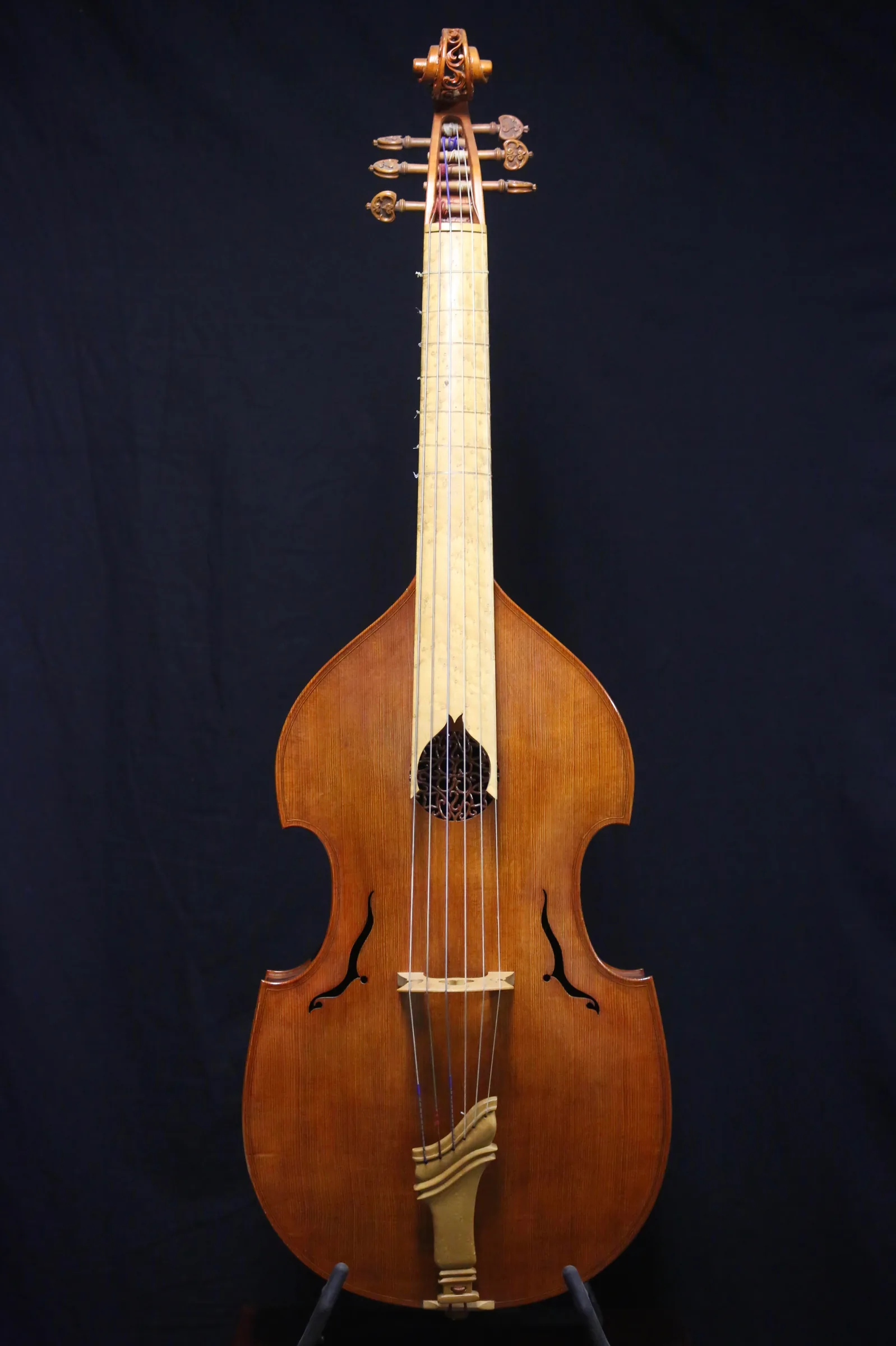
The size and weight of string instruments are key to understanding their differences. To learn more, visit Silent Arena or Quatuor Antares.
Structural Differences
There are many differences between string instruments. For example, the viola’s strings are longer than the violin’s, which calls for a specific playing technique.
The viola’s body is larger than the violin’s, giving it a richer, deeper sound.
Construction Materials
The materials used to make string instruments vary. Modern instruments are often made from wood, metal and synthetic materials. These choices affect sound quality and the instrument’s durability.
Differences Between the Violin, Viola and Cello: Technical Aspects
String instruments have significant technical differences. Tuning, scales, playing techniques and how the instrument is held all need to be considered. These differences help musicians choose the instrument that suits them best.
The violin and viola are tuned differently. The violin is tuned in fifths, while the viola is tuned somewhat lower. For more information, visit this site.
Playing techniques also matter. Violinists use legato and staccato. How the instrument is held varies too: the cello, for example, is played while seated.
In conclusion, string instruments differ in many ways. To choose well, consider tuning, playing techniques and how each instrument is held. Understanding these differences helps musicians improve their playing.
| Instrument | Tuning | Playing techniques |
|---|---|---|
| Violin | In fifths | Legato, staccato |
| Viola | A fifth lower | Legato, staccato |
| Cello | An octave lower | Legato, staccato |
Distinctive Sounds and Musical Ranges
String instruments have distinct sounds. The violin has a high sound, while the viola has a lower sound. These differences arise from the instruments’ size and shape, as well as the tuning of their strings. Their musical ranges also vary: the violin often plays in the G range, and the viola in the C or G range.
Playing technique also affects the sound. With a bow, the violin can produce very high notes. The viola, meanwhile, produces a mellow, rounded sound. Playing techniques differ between the two instruments and contribute to their distinctive tones.
Here are some distinctive sounds:
- The violin: a high, clear sound, often used for melodies
- The viola: a low, warm sound, often used for harmonies
- The cello: a deep, rich sound, often used for bass lines
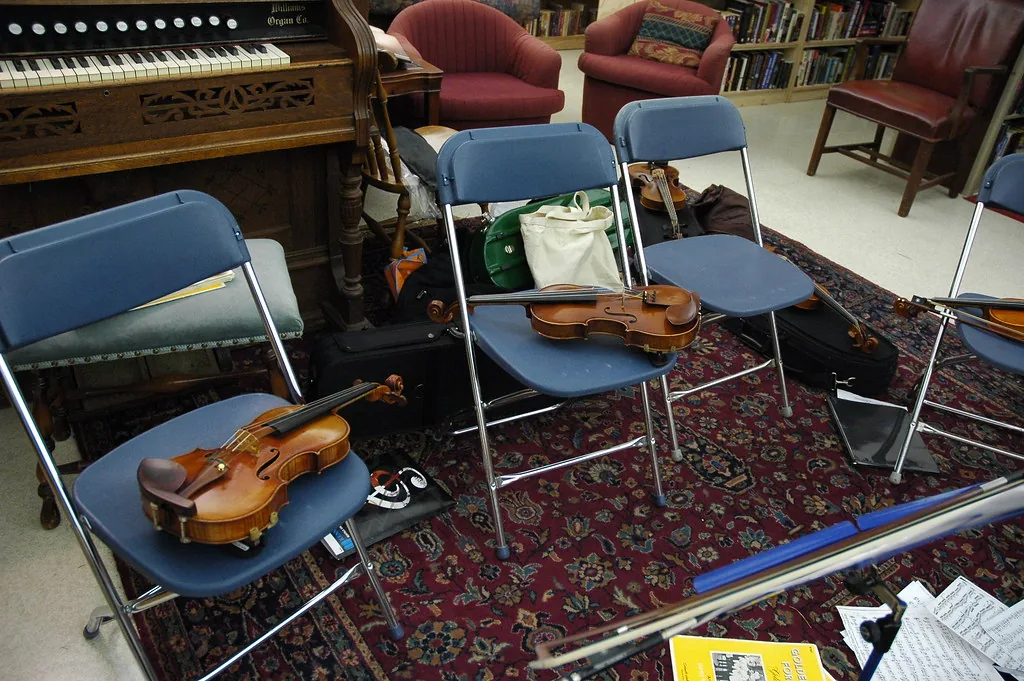
In short, the distinctive sounds and musical ranges of string instruments play a key role in music. Differences in size, shape and playing technique create distinct sounds. For more information, discover the secrets of bowed strings.
Conclusion: Choosing the Instrument That Suits You
The violin, viola and cello each have their own characteristics. Choosing an instrument depends on several factors, including its size and weight.
This guide to choosing a violin, viola or cello helps you understand the differences in sound between the violin, viola and cello and find the instrument that best suits your needs and musical style.
The violin is often the most versatile and widely played. However, the viola or cello may suit some people better. Try different instruments and learn about their distinctive features before choosing.
With the right instrument, you can thrive in music and achieve your musical goals.