
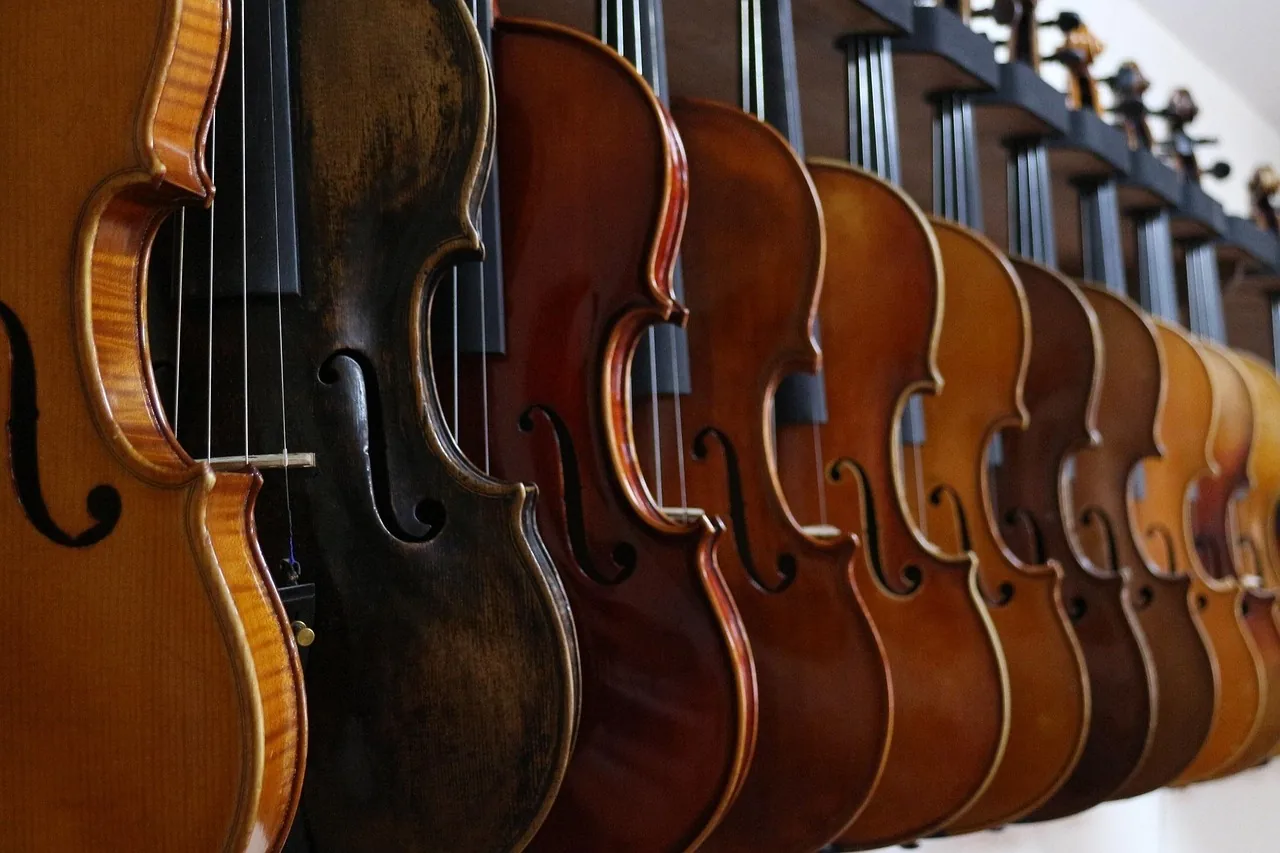
The art of handcrafting violins is an ancient craft that demands considerable skill in violin making. Luthiers need a thorough knowledge of materials, tools and techniques to make quality instruments. An experienced luthier can make between one and three violins a month, depending on each instrument’s complexity.
Making a handcrafted violin takes patience, precision and passion. Luthiers select the finest materials, such as maple and spruce. They aim to create an instrument with a rich, moving sound. Becoming an experienced luthier takes about 10 years of training.
The art of handcrafting violins combines tradition and innovation. Luthiers use longstanding techniques to create unique instruments. The process demands close attention to detail and a passion for music. They make instruments played by musicians around the world.
The history of violin making and its centuries-old traditions
Violin making is an ancient craft whose traditions have evolved over time. The traditional skills of luthiers have made it possible to create high-quality musical instruments. The wooden violin is a perfect example. Custom making is essential because each instrument is made for a particular musician.
Luthiers in Cremona, Italy, are renowned for their expertise in making violins. Historical records show that Cremonese violin making dates back to the 16th century. These luthiers developed techniques passed down from generation to generation.
- The development of Italian violin making in the 16th century
- The emergence of the Cremona school and its influence on violin making
- The evolution of making techniques over the centuries
Violin making demands great precision and close attention to detail. Luthiers need a thorough knowledge of materials and techniques to create quality instruments. Custom making is crucial because each instrument is made for a particular musician.
The fine materials used to handcraft violins
Making violins requires high-quality materials to achieve a distinctive sound. Luthiers carefully select the finest materials. Spruce and maple are among the most prized woods.
A violin is made of 71 wooden pieces, including maple, boxwood and ebony. With moderate use, its strings should be changed every six months. The luthiers at the violin-making workshop are experts in restoration.
The services offered include custom making and the restoration of old violins. You can learn more about string instruments on specialist websites.
Luthiers use specific woods for each part of the violin: spruce for the soundboard and maple for the back and ribs. Each piece is fitted to ensure optimal resonance and comfortable playing.
The luthier’s workshop: essential tools and equipment
Making violins requires quality tools. A luthier uses saws, chisels and gouges. These tools help create instruments with a moving sound.
Luthiers need to know their tools well to make high-quality instruments. Here are some essentials:
- Saws and chisels for cutting and shaping wood
- Gouges for hollowing and carving wood
- Precision tools for fitting and adjusting parts of the instrument
A good working environment is crucial. The workshop should be well lit and ventilated. Tools must be maintained to ensure the quality of the instruments.
Essential traditional tools
Traditional tools are essential for making quality violins. They include saws, chisels and gouges.
The ideal working environment
A good workshop is essential for a luthier. It should be well lit and ventilated. Tools must be maintained.
Maintaining precision tools
Proper care of precision tools is important. Luthiers must clean and sharpen them regularly to keep them effective and accurate.
| Tool | Description | Price |
|---|---|---|
| Saw | Used to cut wood | €50 |
| Chisel | Used to shape wood | €30 |
| Gouge | Used to hollow and carve wood | €40 |
Handcrafting violins: the fundamental steps
Making violins requires considerable expertise in violin making. It rests on traditional skills passed down from generation to generation. Luthiers need an in-depth knowledge of materials, tools and techniques to make quality instruments.
The first steps are designing and drawing the outline, followed by working and carving the wood. Wood selection is essential. The chosen wood must have the right density and consistency for optimal resonance. Spruce and maple are the most commonly used woods, each contributing its own qualities to the instrument.
The key steps in making a violin
- Design and layout: luthiers create a detailed plan for the violin, taking its dimensions, shape and acoustic properties into account.
- Woodworking: luthiers select and work the woods used to make the violin’s parts, such as the soundboard, back and ribs.
- Assembly: the violin’s parts are carefully joined to form a coherent, functional instrument.
Handcrafting violins is a complex process that takes patience, precision and passion. Luthiers must combine their traditional skills with a sound understanding of instrument making. In this way, they create quality instruments that meet musicians’ expectations.
| Material | Property |
|---|---|
| Spruce | Favourable density and elasticity |
| Maple | Strength and visual appeal |
Varnish: a crucial step for sound
Making a wooden violin requires attention to every detail. Varnishing is crucial to sound quality. It protects the wood and improves its resonance. Luthiers choose the finest varnishes to achieve a rich, moving sound.
Making a custom wooden violin requires a thorough knowledge of materials and techniques. The choice of wood is essential to its sound. Luthiers favour maple and spruce to meet musicians’ expectations.

Here are some key steps in the custom making of a wooden violin:
- Selecting materials
- Preparing the wood
- Applying the varnish
- Assembling and adjusting the instrument
In short, making a wooden violin demands close attention to detail. The choice of varnish and custom making are crucial. They help produce quality instruments for musicians.
| Material | Property |
|---|---|
| Maple | High density, clear tone |
| Spruce | Light weight, optimal resonance |
The luthier’s expertise in tuning and setup
Luthiers need strong skills to adjust string instruments. They aim to give them a rich, moving sound. In a violin-making workshop, they work precisely to create instruments that are both beautiful and functional.
Making a high-quality instrument takes a great deal of work. The soundpost and bridge must be adjusted, the strings set up and acoustic tests carried out. These steps require substantial knowledge and close attention to detail.
The importance of experience and training
Luthiers need sound training and extensive experience. Training in violin making, such as a CAP or BMA qualification, is often necessary. They must also undertake placements in recognised workshops.
Here are the steps towards becoming an experienced luthier:
- Training in violin making
- A placement or apprenticeship in a recognised workshop
- Practical experience making and repairing string instruments
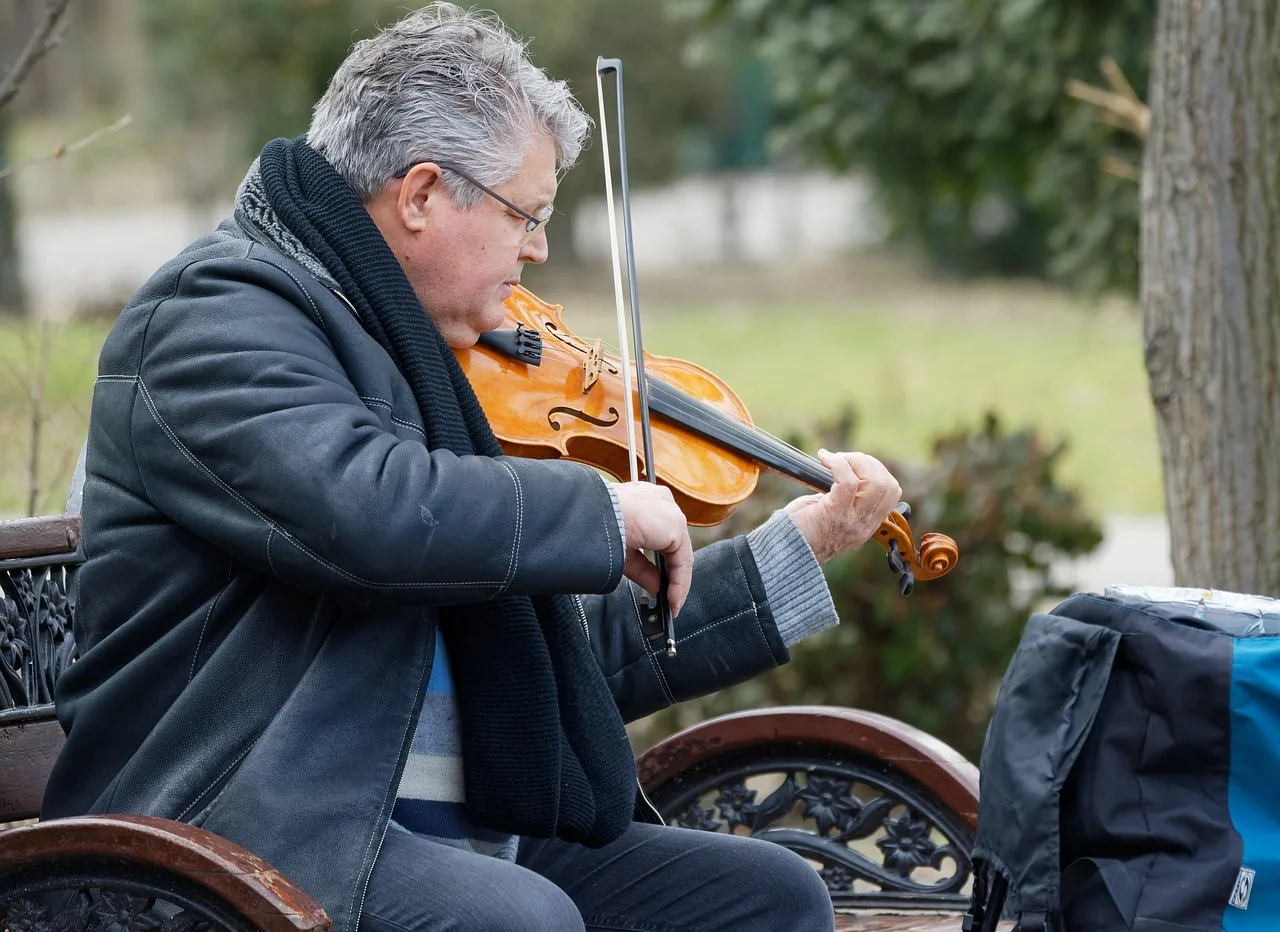
In conclusion, the luthier’s expertise is crucial to making quality instruments. Luthiers must understand tuning and setup techniques thoroughly. They must also pay close attention to detail to create instruments that are both beautiful and functional.
| Training | Experience | Salary |
|---|---|---|
| CAP or BMA qualification in violin making | Placement or apprenticeship | €1,500 to €2,000 per month |
| DMA diploma or master craftsman qualification in violin making | Practical experience | €2,500 to €4,000 per month |
The artistic and commercial value of a handcrafted violin
Making a handcrafted violin is demanding work that requires considerable skill from the luthier. These violins are made with care and regarded as works of art. According to some experts, their value depends on several factors, including the quality of the materials, the luthier’s skill and the instrument’s beauty.
Factors that affect the value of a handcrafted violin include:
- The quality of the materials used
- Skill in violin making
- The instrument’s beauty
An article on making string instruments notes that luthiers need to know their craft well to create quality instruments. A handcrafted violin can therefore have considerable artistic and commercial value. Collectors and musicians are willing to pay a great deal for such an instrument.
In brief, a handcrafted violin’s value depends on several factors, including the quality of the materials, the luthier’s skill and the instrument’s beauty. Luthiers need substantial knowledge and a passion for their work. That helps explain why these instruments are so prized.
Conclusion: the future of traditional violin making
Handcrafting violins is an old tradition that deserves to be preserved for future generations. Today’s luthiers make high-quality instruments.
They use fine materials and traditional techniques. Their skill and passion shape unique violins with rich, expressive sounds.
The future of artisanal instrument making is promising. New luthiers are entering the profession, eager to learn these traditional skills. They keep the craft alive by creating beautiful, functional instruments.
These instruments meet growing demand for custom-made instruments of superior quality.
Despite the challenges of industrialisation, traditional violin making retains its place. It values excellence in handwork and innovation. The search for exceptional new sounds continues.
This cultural and craft heritage enriches the musical landscape. It offers musicians instruments of unique beauty and quality.