
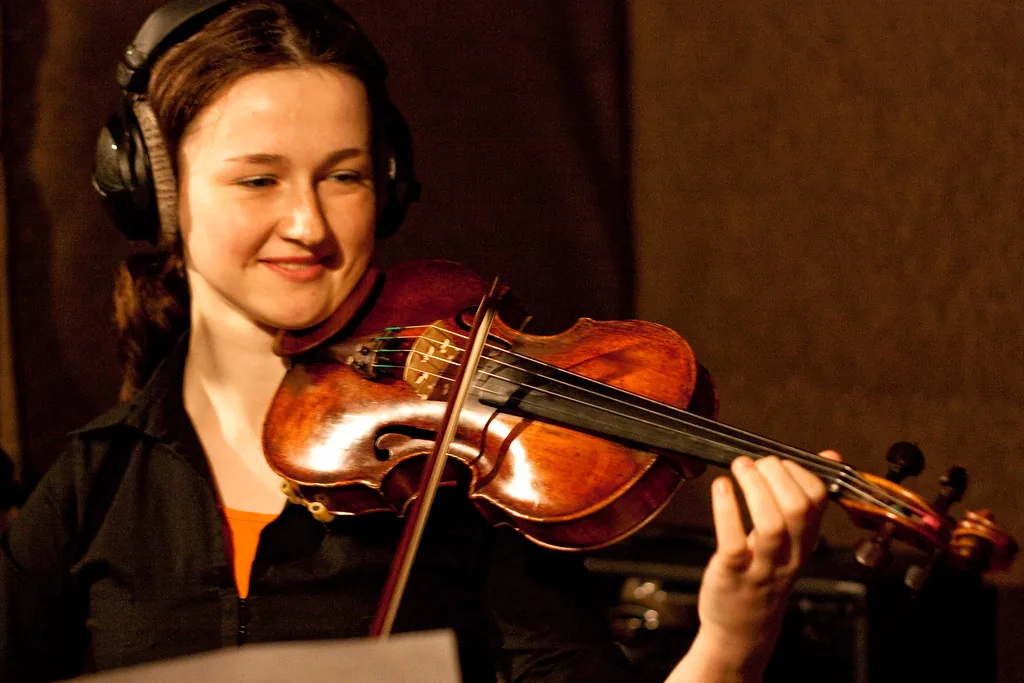
The violin is a symbol of classical music. Its repertoire is rich and varied. Among its best-known works are Vivaldi’s Four Seasons and Bach’s Brandenburg Concertos.
Violinists appreciate the beauty and complexity of classical music. It spans many genres, including symphonies and opera, which reflects its diversity.
Composers such as Mozart, Haydn, Beethoven, Vivaldi and Rossini have enriched classical music. To learn more, explore sites covering the greatest sonatas for violin and piano. These sites offer a good introduction to the classical violin repertoire.
Violinists who want to explore the classical violin repertoire can begin with Bach, Mozart and Beethoven. These composers are essential. Classical music festivals also offer opportunities to discover classical violin music. There, you can hear great soloists and chamber ensembles.
The violin’s historical development in classical music
The violin has a rich history that begins in the 16th century. It originated in Italy, particularly in Cremona and Brescia. Makers such as Andrea Amati established its shape and size. This marked the beginning of the classical violin music we enjoy today.
In the 18th century, the violin became essential to chamber music and orchestras. Composers such as Vivaldi and Bach enriched its repertoire. Today, the violin suits many styles, from classical to contemporary music.
You can learn more about the violin on the Philharmonie de Paris website, which explores its history and development.
The violin’s origins in the 16th century
The violin was first mentioned in the early 16th century. It originated in Italy, particularly in Cremona and Brescia.
The golden age of the Baroque violin
The 17th century saw the arrival of masters such as Antonio Stradivari and Giuseppe Guarneri. They raised the standard of violin making. Stradivari’s violins are among the most highly prized today.
The transition to the modern violin
The 19th century brought changes to the violin. Its strings, once made of gut, are now made of metal or synthetic materials. This development helped bring about the modern violin.
Great composers and their essential violin works
Many composers have enriched the classical violin repertoire. They have left a lasting mark on violin music. Their essential violin pieces are still performed and admired today. Among the most famous are the violin concertos of Mozart, Beethoven and Brahms, considered essential works for every violinist.
Composers such as Bach, Mozart and Tchaikovsky created famous works that are still performed at classical concerts. The Violin Concerto in E minor is described as essential for every violinist. Violin concertos often have three movements. Beethoven, Mendelssohn and Brahms are among the genre’s notable composers.
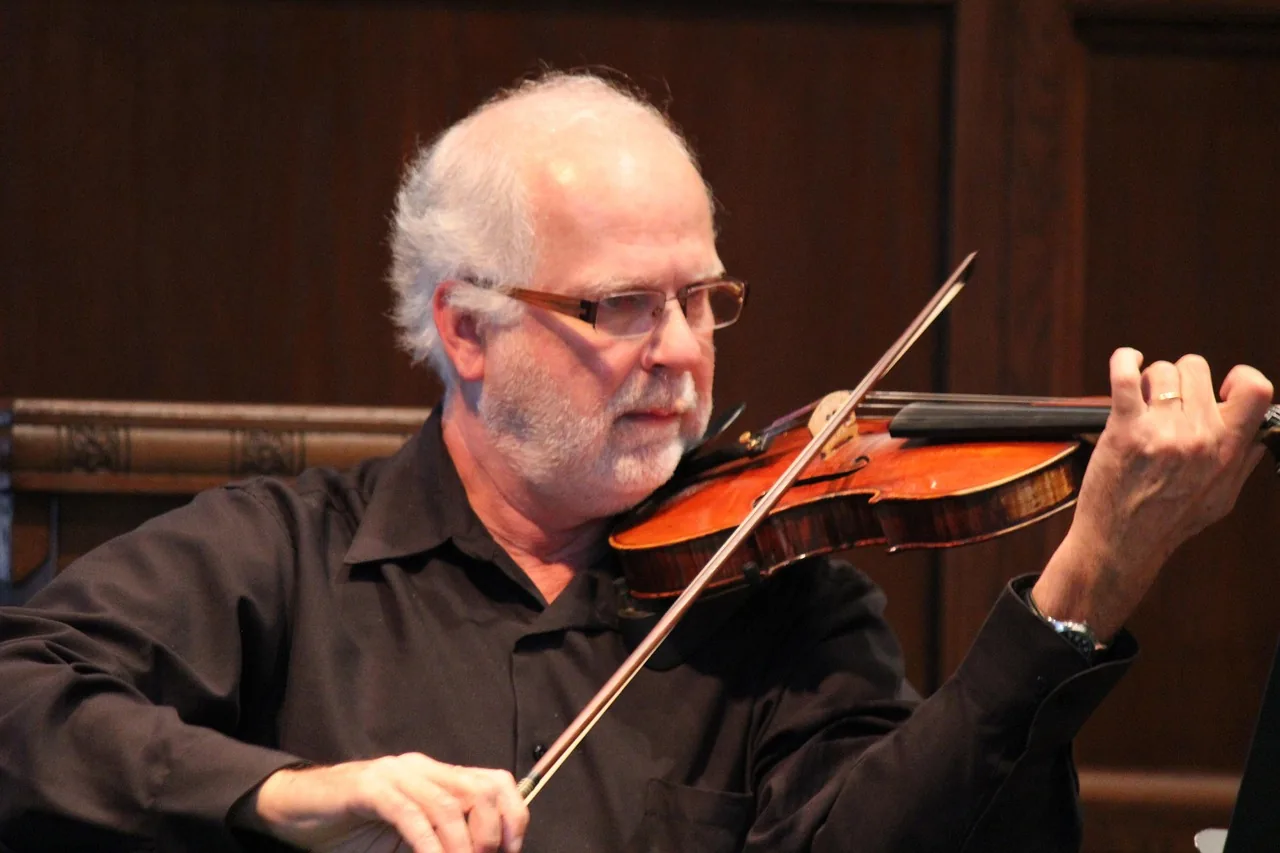
Here are some of the most important composers of violin music:
- Johann Sebastian Bach
- Wolfgang Amadeus Mozart
- Ludwig van Beethoven
- Pyotr Ilyich Tchaikovsky
These composers helped classical music develop. They left a remarkable legacy in violin music. Their essential violin pieces continue to inspire musicians and music lovers today.
Essential violin concertos in the classical repertoire
The classical violin repertoire is extensive. It includes essential concertos that every violinist should know.
Composers such as Vivaldi, Bach, Mozart, Beethoven and Brahms wrote violin concertos. Leclair, Paganini, Bruch, Bartók, Prokofiev and Schoenberg also contributed to the genre. Each brought a personal touch and showcased the violin’s possibilities.
Mozart’s concertos
Mozart composed five violin concertos. Concerto No. 3 in G major is especially popular. His works are known for their elegance and melodic beauty.
Beethoven’s major works
Beethoven wrote a violin concerto in D major. It is considered the first great Romantic concerto. It is known for its emotional depth and technical complexity.
Essential Romantic compositions
The Romantic violin repertoire is rich and varied. The concertos of Brahms, Tchaikovsky and Bruch are especially famous. They are admired for their lyricism and expressiveness.
| Composer | Concerto | Characteristics |
|---|---|---|
| Mozart | Concerto No. 3 in G major | Elegance and melodic beauty |
| Beethoven | Concerto in D major | Emotional depth and technical complexity |
| Brahms | Concerto in D major | Lyricism and expressiveness |
Classical violin technique and interpretation
Classical violin technique is essential for playing well. It includes posture, left-hand position and bow hold. Good technique produces the rich, expressive sound associated with classical music.
Musical expression is very important. Violinists must convey emotion through their playing. This takes considerable skill and a good understanding of the music. With its wide range of sounds, the classical violin is well suited to classical music.
There are many schools of classical violin playing. Some focus on technique and precision. Others emphasize expression and creativity. Violinists must find their own style while considering different schools and the advice of their teachers.
| School of interpretation | Characteristics |
|---|---|
| Classical school | Technique and precision |
| Romantic school | Expression and creativity |
| Modern school | Experimentation and innovation |
Great violinists who made history
The classical violin repertoire is full of famous works, thanks in part to many classical violinists. Niccolò Paganini is especially known for his “24 Caprices.” These pieces present a major challenge for violinists.
Yehudi Menuhin began playing at the age of 10. He gave more than 500 concerts during the Second World War, helping to support the Allies.
Antonio Vivaldi wrote pieces such as “The Four Seasons,” which showcase violin virtuosity. To learn more about these violinists, visit the classical music website.
Jascha Heifetz is nicknamed the “king of the violin.” His recordings are known for their purity. Itzhak Perlman overcame polio to become a celebrated violinist. He has given exceptional performances, even with only three strings.
These artists enriched the classical violin repertoire. They also inspired many classical violinists to excel at their art.
Classical violin music: tips for exploring the repertoire as a beginner
The violin offers beginners many possibilities. Start with simple pieces, such as Suzuki studies or works by Bach. These pieces are essential for building a foundation in technique and musical expression.
There are several ways to learn the violin, including the Suzuki and Schradieck methods. They help beginners progress gradually. Finding a good teacher to guide and support them is also essential.
Beginners need online tools to keep track of their repertoire and quality accessories. Individual or group lessons are also important for learning at any age. Regular practice and patience are essential for making progress on the violin.
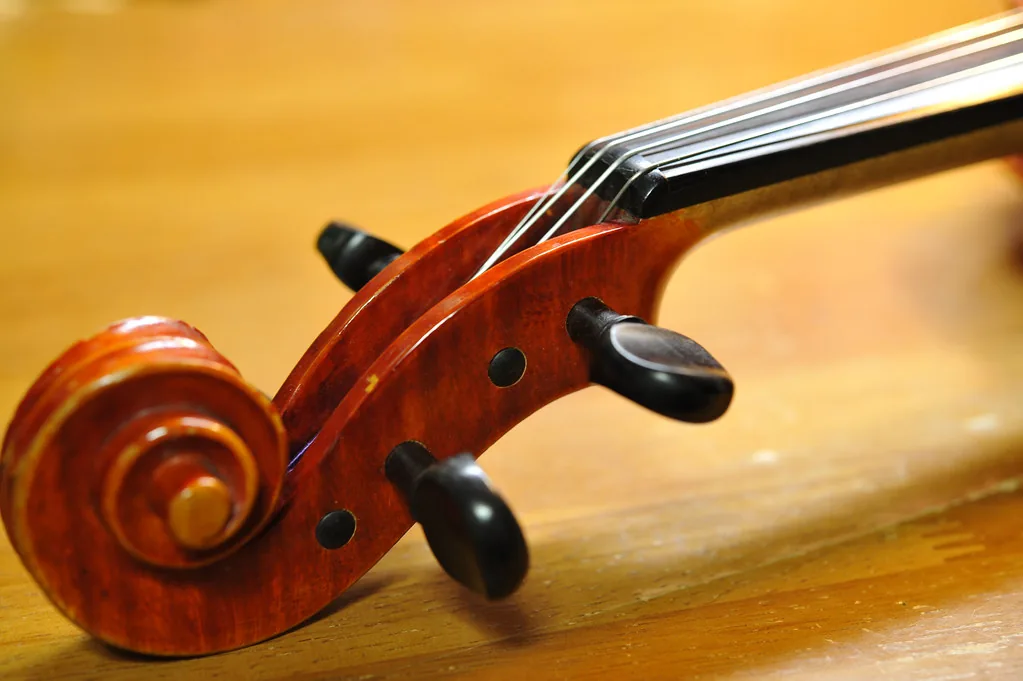
In conclusion, begin exploring the classical violin repertoire by choosing simple pieces. Following a learning method and having the right tools are also essential. With practice and patience, beginners can develop their skills and build a rich and varied classical violin repertoire.
Conclusion: the lasting legacy of the classical violin
The classical violin has profoundly shaped the world of music. Its essential works, created by famous classical violinists, still move many musicians. Pieces such as Mozart’s concertos and Beethoven’s sonatas remain essential.
Tchaikovsky’s works are essential too. Their harmony and virtuosity enrich the classical violin repertoire. These masterpieces remain timeless and stir deep emotions.
The violin has a place in both Baroque music and the innovations of the 20th century. Its importance in classical music makes it an emblematic instrument. It inspires musicians of every era.
FAQ
What are the essential works of classical violin music?
How has the violin developed throughout the history of classical music?
What are the essential violin works by great classical composers?
Which violin concertos are the most important in the classical repertoire?
What techniques and qualities define classical violin playing?
Which great violinists have made history?
How should you approach the classical violin repertoire?
What is the lasting legacy of the classical violin?
Source links
- https://data.carnegiehall.org/datalab/top-25-works-at-carnegie-hall/
- https://provence-alpes-cotedazur.com/en/things-to-do/events/classical-music/chamber-music-festivals-south-of-france/
- https://museodelviolino.org/en/museum-route/room-1-the-birth-of-the-violin/
- https://www.wunderkammern.fr/en/classical-violin-concertos-that-shaped-music-history/