
Choosing the right violin matters when you are starting out. To learn how to choose the right violin, consider its size, materials and sound quality. The best beginner violin suits the way you play, has a pleasant sound and is easy to handle.
Several factors matter when choosing a violin. Size, which ranges from 1/32 to 4/4, is essential for comfort. Materials such as maple, ebony and spruce also play an important role. A quality student violin costing between €400 and €800 is ideal for getting started.
By considering these points, you can find a violin that suits you. Buying a violin is an investment in your future. Take the time to choose carefully so you can enjoy learning to play.
Violin Basics for Beginners
The violin is a complex instrument. It helps to understand its parts and what they do. Choosing the right violin is essential for a beginner. An inexpensive violin can be a good option, but sound quality also matters.
A violin has several important parts: the soundboard, back, ribs, neck, fingerboard, strings and bow. Each contributes to its sound and ease of playing. Sound quality plays a major role in the musical experience.
The Different Parts of a Violin
- Soundboard
- Back
- Ribs
- Neck
- Fingerboard
- Strings
- Bow
By following buying advice, beginners can find a good violin. A quality instrument makes learning music more rewarding. Practice and patience are essential for progress.
Why Sound Quality Matters
Sound quality is an essential consideration when buying a violin. A good violin produces a clear, rich sound. A poor-quality violin may sound weak and unpleasant.
| Violin type | Sound quality | Price |
|---|---|---|
| Beginner violin | Good | €100 to €500 |
| Intermediate violin | Very good | €500 to €1,000 |
| Advanced violin | Excellent | €1,000 to €2,000 |
Getting to know the violin is essential for beginners. You need to understand its parts, the importance of sound quality and the accessories you will need. By choosing a good instrument, beginners can enjoy a rewarding musical experience.
How to Choose the Right Beginner Violin: Essential Criteria
To start learning the violin, choosing a good instrument is essential. A violin buying guide is a good starting point. Beginner violins come in several sizes, including 1/4, 1/2, 3/4 and full size (4/4). Choosing the right size helps you play comfortably.
When choosing a beginner violin for a child, consider several factors. Size, materials and sound quality all matter. Children’s violins often have thick wood, which can limit their sound quality. Choose a suitable size to avoid muscle pain.
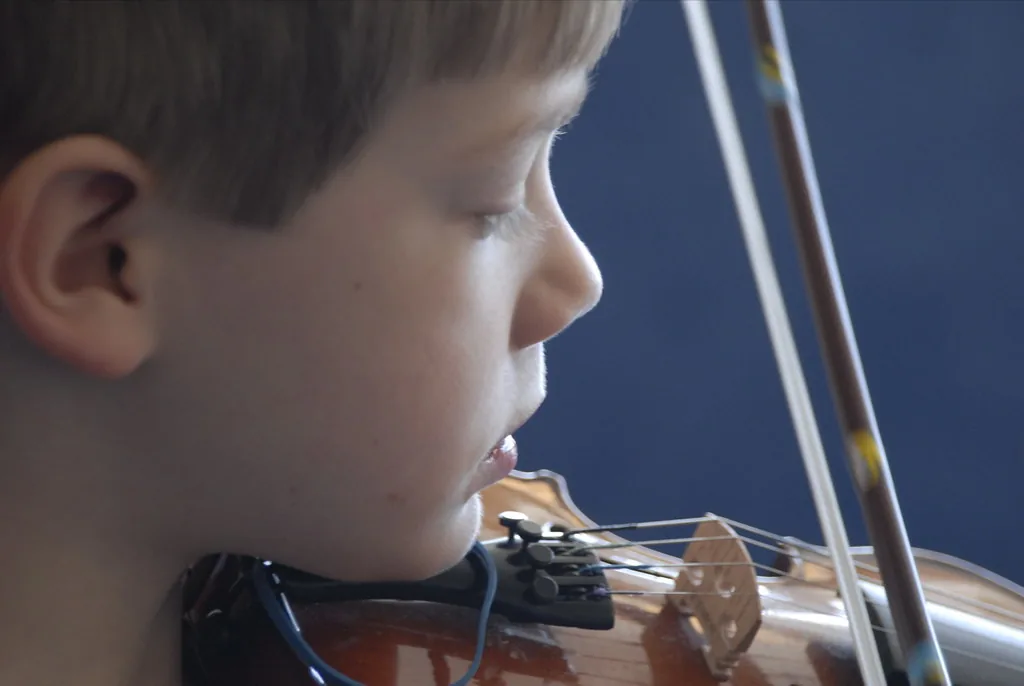
Advice for beginning violinists also covers accessories. Synthetic strings suit beginners. They cost less and are easier to play than gut strings. A violin with four fine tuners on its tailpiece is also easier to tune.
The Right Size: A Crucial Factor
When choosing your first violin, consider its size. The right size makes playing comfortable. Children’s violins are smaller than adult violins.
The right violin size for a child depends on their age and build. Children under five can play a 1/16 violin. Those aged five to seven can play a 1/8 violin. To choose well, measure the child’s forearm and consider their overall size.
Here are some guidelines for choosing a suitable violin size:
- Children aged 3 to 4: 1/16 or 1/10
- Children aged 5 to 7: 1/8 or 1/4
- Children aged 7 to 9: 1/4 or 1/2
- Children aged 9 to 11: 1/2 or 3/4
- Adults: 4/4
The quality of the violin’s materials also matters. A quality violin produces a better sound. Keep these factors in mind to get the most out of learning to play.
| Age | Violin size |
|---|---|
| 3 to 4 years | 1/16 or 1/10 |
| 5 to 7 years | 1/8 or 1/4 |
| 7 to 9 years | 1/4 or 1/2 |
| 9 to 11 years | 1/2 or 3/4 |
| Adults | 4/4 |
Budget and Value for Money
Setting a budget is essential when looking for a beginner violin. Prices vary considerably, from less than €100 to several thousand euros. To choose the best beginner violin, examine the criteria for selecting a violin and follow a violin buying guide. This can help you avoid a poor purchase.
Here are some options to consider:
- Entry-level violins: under €150. They are often less refined and sometimes unplayable.
- Mid-range violins: €400 to €1,000. They offer a better musical experience.
- High-end violins: over €1,000. They offer better playability and sound.
Renting a violin is another option and may include maintenance and an annual service. Beginner packages contain everything you need to get started.
To find the best beginner violin, take time to compare instruments. Examine the criteria for selecting a violin and follow a violin buying guide. This will help you find a violin that fits your budget and needs.
| Violin type | Price | Quality |
|---|---|---|
| Entry-level violin | Under €150 | Less refined |
| Mid-range violin | €400 to €1,000 | Better musical experience |
| High-end violin | Over €1,000 | Better playability and sound |
Quality Checks Before You Buy
If you are looking for a beginner violin for a child, check several aspects of its quality. This will help you make sure the instrument meets your needs. You can find useful information about choosing a violin for beginners.
Before buying, check the following:
- Inspect the wood and finish
- Check the sound
- Examine included accessories, such as the bow and case
An inexpensive beginner violin can be tempting. However, do not sacrifice quality for a lower price. Try at least three violins before choosing one. This reduces the risk of being disappointed by the price or quality of your purchase.
Finally, ask a violin maker or music specialist for advice. These professionals can help you choose a beginner violin that suits your needs and budget. With their guidance, you can find a quality violin to begin learning music.
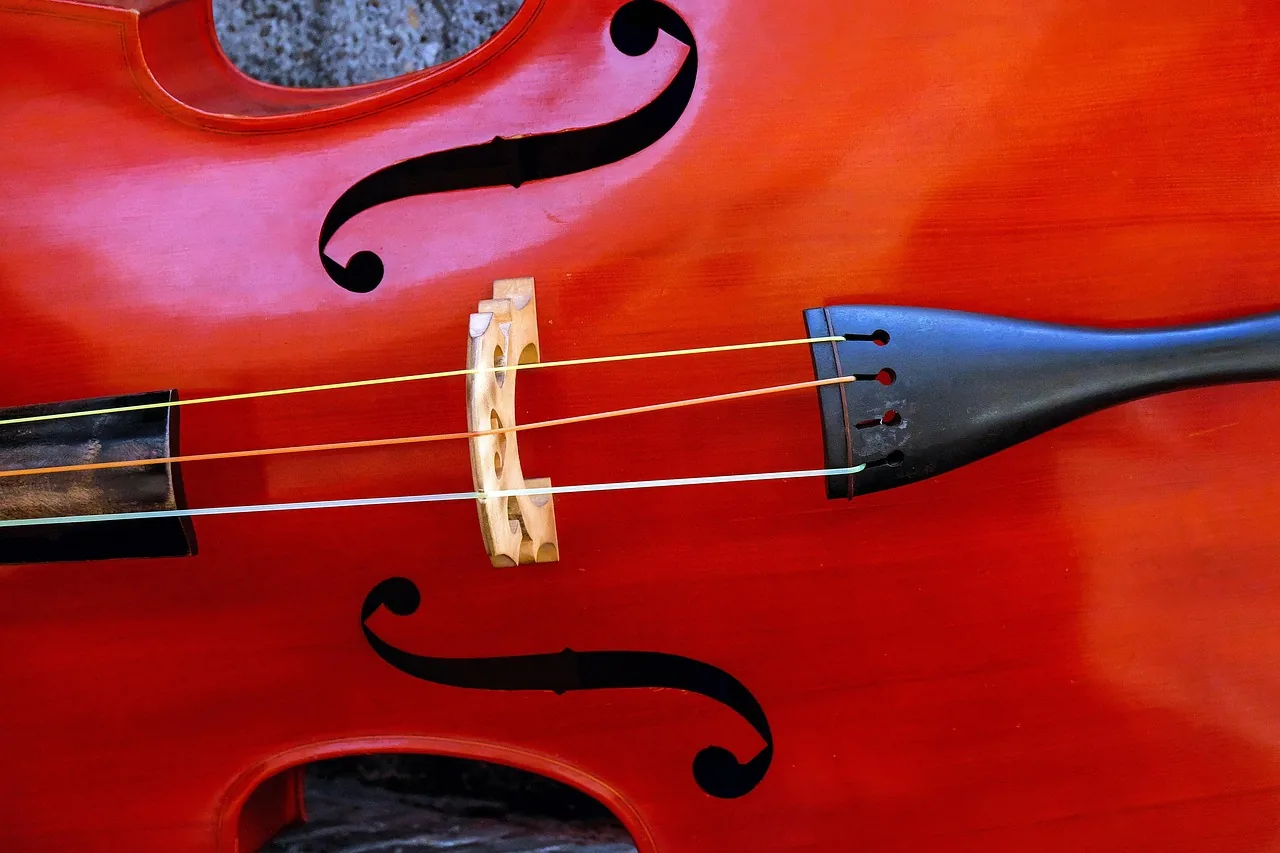
Where to Buy Your First Violin
Choosing a seller matters when buying your first violin. You can go to a violin maker, visit a music shop or buy online. Be careful, especially when shopping online.
A violin buying guide can help. Also consider advice for adult beginners: needs vary with age and playing level.
Buying Options
You can buy a violin from a violin maker, a music shop or an online seller. Violin makers often offer higher-quality instruments, but their prices are higher. Buying online may cost less, but you need to watch out for scams.
It is essential to consider the needs of adult beginners. Their preferences and needs differ from those of children. Choose a violin that suits your level and preferences.

Buying your first violin takes thought and a little research. Compare your buying options, and consider beginner advice and adult players’ needs. Visit sites such as string instruments for useful information.
Conclusion: Getting Off to a Good Start on the Violin
Choosing the right violin is essential when you begin playing. Consider its size, sound quality and accessories. Finding an instrument that offers good value for money also matters.
Most of all, take lessons with a good teacher. A suitable instrument and individual instruction are essential. Be patient and persistent. Play in public to keep yourself motivated!