
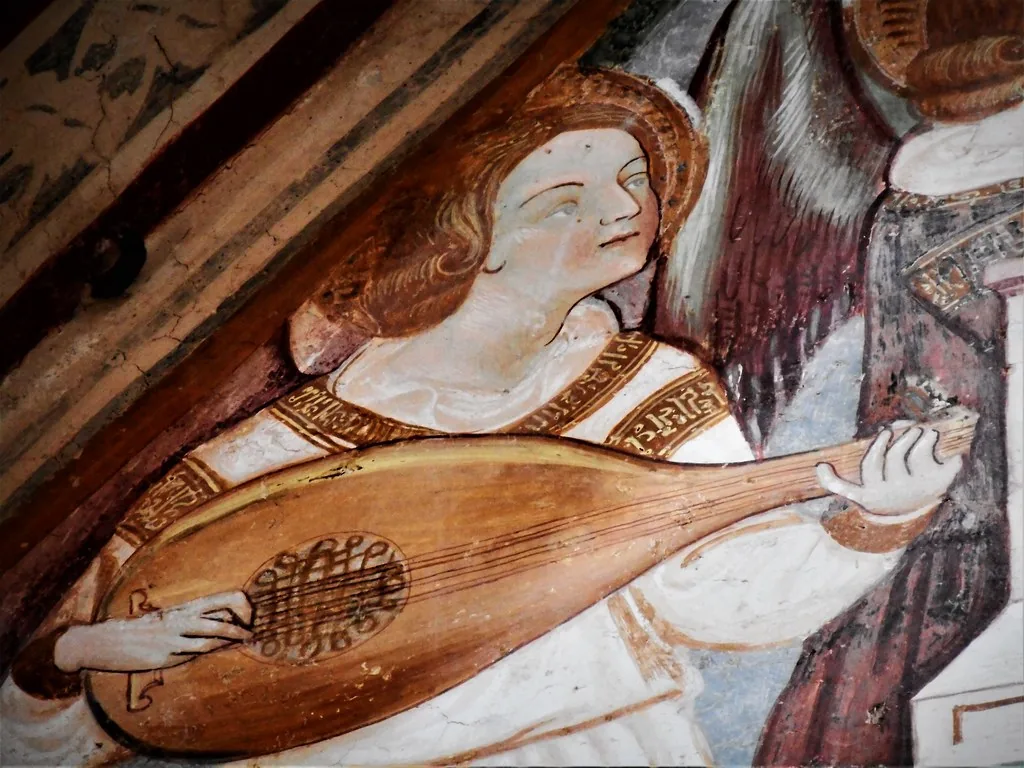
Understanding the real cost of this iconic instrument requires some context. Prices range from around €300 to €32,000, and used instruments are often advertised for approximately €850 to €9,600.
Why is there no single answer? The price depends on the model, the intended playing level, the materials, the maker, and the instrument’s rarity. This guide covers new and used Renaissance and Baroque lutes, theorbos, and vihuelas.
This guide will help you choose an instrument for your needs, from beginner to professional, avoid common mistakes, and identify what really justifies a high price: wood, setup, repairs, and provenance.
Keep the total budget in mind: the instrument, accessories, setup, and maintenance. Compare, try, and inspect instruments before buying in France. For detailed guidance and price examples, see these instrument prices.
Overview of lute prices in France in 2025: from student instruments to exceptional pieces
In 2025, prices vary considerably with intended use, condition, and rarity. They range from around €300 for factory-made models to nearly €32,000 for exceptional instruments by renowned makers.
Typical price levels:
- Student and entry level (around €300 to €600): often kits or factory-made instruments. They can be suitable for starting out, but their tuning stability and sound are limited.
- Midrange handmade instruments (around €1,200 to €3,000): better stability, careful setup, and real playing comfort.
- Professional and collectible instruments (around €3,000 to €6,000 and above): reliable instruments or unique pieces costing far more.
Buying a new instrument sometimes involves a workshop waiting period. Used listings, at around €850 to €9,600, may offer better value, but you must check the instrument’s condition and allow for possible restoration costs.
Since 2024, prices for some Baroque models have risen by around 12% because of demand and waiting times. Think long term: a workshop’s reputation, the instrument’s condition, and its documentation affect its value over the years.
To set your budget and compare models, consult specialist references such as these instrument guides.
How much does a lute cost? Beginner, handmade, and antique instruments
Distinguishing three levels of instrument helps you define your budget and expectations.
Entry level — getting started without holding back your learning
Factory-made instruments and kits suit beginners exploring the repertoire.
A student kit costs around €500.
Their drawbacks are approximate setup, often inadequate tuning stability, and limited playing comfort.
Workshop instruments — a balance of sound, comfort, and durability
Hand craftsmanship covers the hours of work, wood selection, and setup.
It provides greater playing comfort and projection and reduces the need for early adjustments.
It is often the best compromise for progressing in early and Baroque music.
Antique and collectible instruments — authenticity, provenance, and condition
Value depends primarily on authenticity, certificates, and condition, particularly cracks and repairs.
A well-documented restoration can preserve value, while inappropriate replacement parts reduce the price.
When choosing, put playing comfort and stability ahead of decoration.
What affects the price of a lute: the factors that really matter
Construction, labor, and optional features account for most of the value. Buyers should rank these factors to decide where to spend.
Materials and wood quality
Spruce soundboard: it provides projection and subtlety. A good spruce soundboard increases value because it improves tonal balance.
A body made of figured maple, cypress, or rosewood changes the tone and appearance. Woods such as figured maple and rosewood often command a premium.
Instrument type and complexity
The number of courses, the instrument’s length, and its bass strings increase workshop hours. More courses and strings mean a higher cost.
The maker’s reputation and customization
The maker’s name affects resale value and inspires confidence. Documented workshop support is often worth more than decoration alone.
Functional and decorative finishing
Functional finishing, especially accurate joints and a stable finish, supports longevity and reduces the need for adjustments. It matters more to value than appearance alone.
Mother-of-pearl inlays and rosettes add cost, but are secondary to structural quality.
Condition, setup, and playing comfort
A level fingerboard, properly fitted frets, and stable pegs help an instrument stay in tune. These features improve everyday use and are a worthwhile investment.
Materials and woods: what do a fine spruce soundboard and maple body really cost?
The soundboard and body often determine an instrument’s character and price. A fine spruce soundboard has even grain, has been seasoned for a long time, and is carefully thicknessed. These qualities improve projection and balance.
Spruce: projection, balance, and sensitivity
Spruce offers clarity and a dynamic response. But it is sensitive to humidity: changes in weather and moisture call for care and a humidifier.
Workshops that sell seasoned wood, such as ten-year-old spruce, charge for that drying time and the resulting stability.
Figured maple, walnut, and ebony
Figured maple is prized for its appearance and stiffness. Walnut provides a warm contrast. Very dense ebony is uncommon for the body, but expensive.
These differences affect perceived quality and the asking price.
Rosewood: warmth in the bass and added cost
Rosewood strengthens the bass and gives the sound real warmth. Its rarity and the extra work involved often explain its higher price.
“A good setup is sometimes worth more than a prestigious wood.”
Tip: choose your woods to suit how you play, whether at home, at a conservatoire, or on stage. If your budget is tight, prioritize careful construction and professional setup. To explore the options, see this selection of Renaissance models.
Renaissance lute prices: realistic budgets for beginners and advancing players
A practical Renaissance lute often has 6 to 8 courses and around 15 strings. This format provides a balanced tone and suits both the repertoire and learning.
In France, the typical range is around €1,700 to €5,300. Here are the different levels:
| Level | Price range | Features |
|---|---|---|
| Student | Around €1,700 to €2,300 | Solid spruce, comfortable action, possibly a padded case |
| Intermediate | Around €2,300 to €3,800 | Better soundboard, selected woods, stable pegs |
| Advanced | Around €3,800 to €5,300 | Fine setup, premium woods, customization options |
A good student model: consistent intonation along the neck, action that is neither too low nor too high, properly fitted frets, and reliable pegs. These features reduce the adjustments you will need.
Avoid very cheap instruments that need extensive work, poorly sized frets, or unstable tuning. If possible, look for models with Aquila Nylgut strings and a solid spruce soundboard.
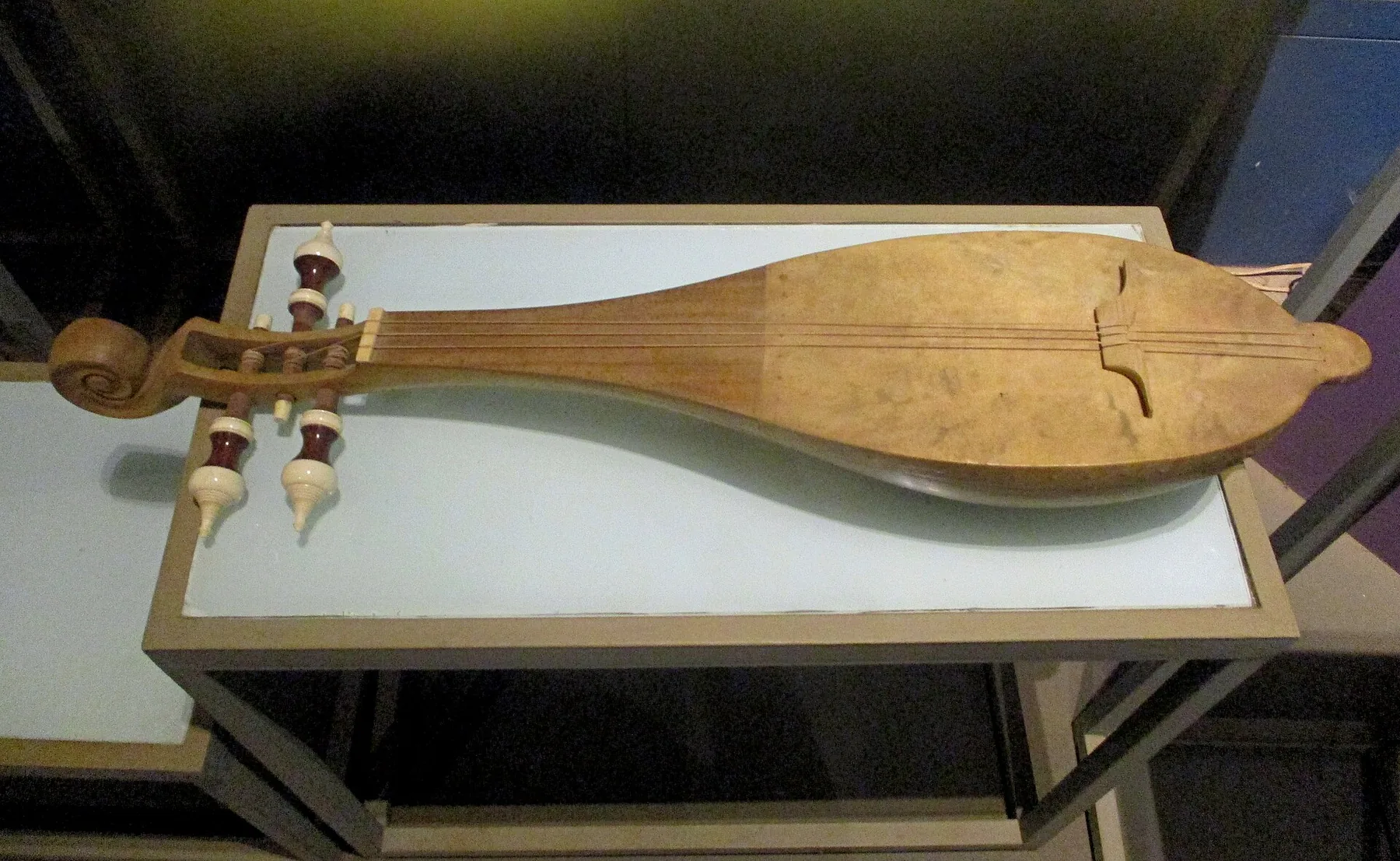
Start with a stable instrument. Move up to a higher level if your playing and repertoire become more demanding.
Baroque lute prices: why do they cost more?
Baroque instrument design combines complex construction with demanding acoustic requirements.
More strings and deep basses require more delicate tensioning and adjustments. Making the instrument takes more hours and very fine setup to achieve an even response.
A realistic purchase budget is often around €3,000 to €6,000. Beyond that, the price rises with the maker’s reputation, wood choices, and customization.
Features that explain the extra cost
- Bass management: reinforcing the soundboard and adjusting its bracing.
- Several courses and additional strings to size and tune.
- Much more setup time after construction than for a simple model.
| Type | Price range | What raises the price |
|---|---|---|
| Standard Baroque | Around €3,000 to €4,000 | Common woods, professional setup |
| High-end workshop instrument | Around €4,000 to €6,000 | Rare woods, finishing, and workshop support |
| Extensive customization | Over €6,000 | Custom setup, inlays, reputation |
Market prices for some Baroque models have risen by around 12%; plan for waiting times and reservations. A plain, well-set-up instrument is preferable to a decorated but unstable one.
- Things to check when trying one: even bass response, dynamic response, tuning stability, and neck ergonomics.
To learn more about identifying and valuing instruments from respected workshops, see how to recognize a maker’s instrument.
Theorbos and specialist lutes: what should you budget for larger instruments?
Large instruments bring construction challenges that often increase the cost substantially.
Why the theorbo costs more: its size, sometimes around 164 cm, greater string tension, and extra bass strings require more wood and workshop hours. Stability and projection demand lengthy, precise setup.
Price ranges and uses
Expect a starting price of around €3,800, rising to around €6,500 for folding versions or options that make transport easier, such as Renzo Salvador models.
Transport and trials
These instruments suit musicians who play continuo in Baroque ensembles or on stage. Consider storage, a hard case, and transport. When trying one, check:
- the instrument’s balance and comfort for your shoulder and wrist;
- the bass attack and tuning stability after 20 to 30 minutes;
- the strings’ response and tuning stability.
| Type | Price range | Uses and options |
|---|---|---|
| Standard theorbo | Around €3,800 to €4,500 | Continuo, ensembles, standard transport |
| Folding theorbo | Around €4,800 to €6,500 | Stage work, touring, transport options |
| Related instrument: the vihuela | Around €2,100 used | Rare pieces, collecting, specialist repertoire |
Tip: prioritize playing comfort and stability over ornamentation. Unique pieces may justify the investment, but availability is limited.
Handmade or factory-made: what you pay for in hours, setup, and warranties
Knowing how many hours it takes to make an instrument helps you choose within your budget.
Cost breakdown: raw materials, labor, final setup, margin, and distribution. Each affects the listed price.
Working time
Handbuilding in a workshop can take around 1,438 hours. A factory-made kit takes closer to 50 hours.
The difference shows in the precision of the glued joints, the body’s curvature, the bracing, and the fretwork.
Labor costs
The hours spent shaping and adjusting an instrument cannot be eliminated. They ensure its strength and help it hold up over time.
Makers spend time on the pegs, leveling the fingerboard, and setting the action. This is where quality becomes apparent.
Warranty and support
Some workshops offer a three-year warranty and after-sales support. Mass-produced instruments often come with more limited after-sales service.
Tip: if you play often, choose careful workmanship and ongoing support. Regular adjustments cost less than buying a cheap instrument that needs repeated work.
What does a good lute cost for a beginner, intermediate player, or professional?
A good instrument must first support your playing: judge the expense by how you will use it and by the qualities that genuinely improve your practice.
Suggested budgets and realistic thresholds
Beginner: prioritize playing comfort. A suggested minimum is around €1,200. Give priority to tuning stability and comfortable action.
Intermediate: look for stability and sound quality. Budget around €2,300 to €3,800 to progress.
Professional: prioritize projection and reliability in concert. Expect to spend at least €3,800, depending on the model and options.
A buying strategy that grows with you
Buy an instrument that will be easy to resell: keep the invoice, certificates, and photographs. This will make a future upgrade easier.
Acceptable compromises include less decoration and common woods, provided the setup is excellent and the structure sound. The quality of the setup is often worth more than expensive ornamentation.
Costs, negotiation, and long-term investment
Plan for initial costs: setup, strings, and a case. Negotiate for a final setup to be included or a discount that covers maintenance.
When is a unique instrument justified? For a recording project, a tour, superior comfort, or potential appreciation. Some master-made pieces gain value and become collectible.
| Player | Indicative budget | Priority |
|---|---|---|
| Beginner | Around €1,200 | Playing comfort, stability |
| Intermediate | Around €2,300 to €3,800 | Even sound, reliable tuning |
| Professional | From around €3,800 | Projection, precision |
Where to buy a lute in France: maker, specialist shop, or online platform?
Where you buy determines the quality of support and your opportunity to try the instrument. Choose according to your priority: custom construction, in-store advice, or the selection offered by online catalogues.
Workshops and makers
Advantages: custom construction, choice of woods, a suitable scale length, and final setup.
Waiting times are longer, but support and available options can improve ergonomics. This is a good choice if you want an instrument suited to your playing.
Specialist shops
Shops offer a broad selection, opportunities to try instruments, and checks before sale. Their storage and service can add to the price.
Buying online
Require high-resolution photos, a returns policy, and proof of a warranty. Avoid vague listings and sellers who rush you.
Useful networks
Contact the relevant national society or consult verified listings. These networks connect buyers with established makers.
Buying a used or antique lute: what to check before paying
Before buying, ask for documentation and check the instrument point by point. A short visit can be enough if you follow a clear method.
Photos and documents to request
- Clear photos of the front, back, ribs, neck, pegbox, and body;
- Numbers, labels, invoices, and a certificate, if available;
- Repair history and the date of the most recent setup.
Critical areas to check
Inspect the soundboard for cracks, traces of glue, or poorly executed repairs.
Check the joint between the neck and body, the flatness of the fingerboard, and wear on the frets.
Tuning and peg test
- Turn each peg: check that it moves smoothly and look for looseness or noise;
- Tune the instrument and observe its stability for 10 to 15 minutes;
- Look for signs of hidden glue repairs or a sinking soundboard.
Transport and protection
Choose a well-fitted hard case; ask for suitable shipping packaging and insurance if the instrument’s value exceeds that of typical listings.
“If the seller refuses to provide photos or documents, or plays down a structural defect, it is best to walk away.”
Additional costs to plan for: case, strings, setup, maintenance, and insurance
Planning for extra expenses prevents unpleasant surprises after purchase. Your real budget includes the instrument’s price and several recurring costs.
Case or gig bag: from padded to rigid and climate-controlled
A padded case costs around €90, a standard hard case around €250, and a reinforced or climate-controlled model can cost around €600. This protection preserves the wood, especially spruce, and helps maintain the instrument’s value.
Strings: gut, nylon, or Nylgut
Gut strings need more care and must be changed frequently. Modern sets, such as Aquila’s, last longer. Allow around €120 per set, with regular replacements depending on use.
Setup, repairs, and maintenance
Initial setup, gluing cracks at around €200, or replacing pegs can create unexpected costs. Monitor the frets and wear on mechanical parts.
Suggested maintenance expenses are around €50 for a hygrometer, €80 for a humidifier, and €150 to €300 a year for servicing. Prevention protects sound quality and helps avoid major repairs.
| Item | Indicative cost | Purpose |
|---|---|---|
| Case | €90 to €600 | Protection, transport, humidity control |
| Set of strings | Around €120 | Tuning stability; lifespan depends on material |
| Setup and repairs | Around €50 to €400 | Pegs, glued joints, frets |
| Annual maintenance | Around €150 to €300 | Checks, adjustments, replacements |
“A small investment in protection often prevents major expenses later.”
Conclusion
A lute’s value primarily reflects the complexity of its construction and the time needed to make it.
Market prices range from around €300 to €32,000, while used instruments often cost around €850 to €9,600. Baroque lutes cost more because they are more complex.
The priority is playing comfort and setup. Stable pegs, a comfortable fingerboard, and careful setup deliver more quality than lavish decoration.
Ask yourself three essential questions: what repertoire do you want to play—Renaissance, Baroque, or theorbo music? How often will you practice? What is your total budget, including a case, strings, and maintenance?
Compare instruments and try them with a maker whenever possible. When buying online, require photos, return terms, and documents. For guidance on traditional and modern instrument making, consult the guide.
Make a practical choice: choose an instrument that serves your music today and that you can resell if your playing develops. Draw up a shortlist, ask questions, and include accessory costs from the outset.