
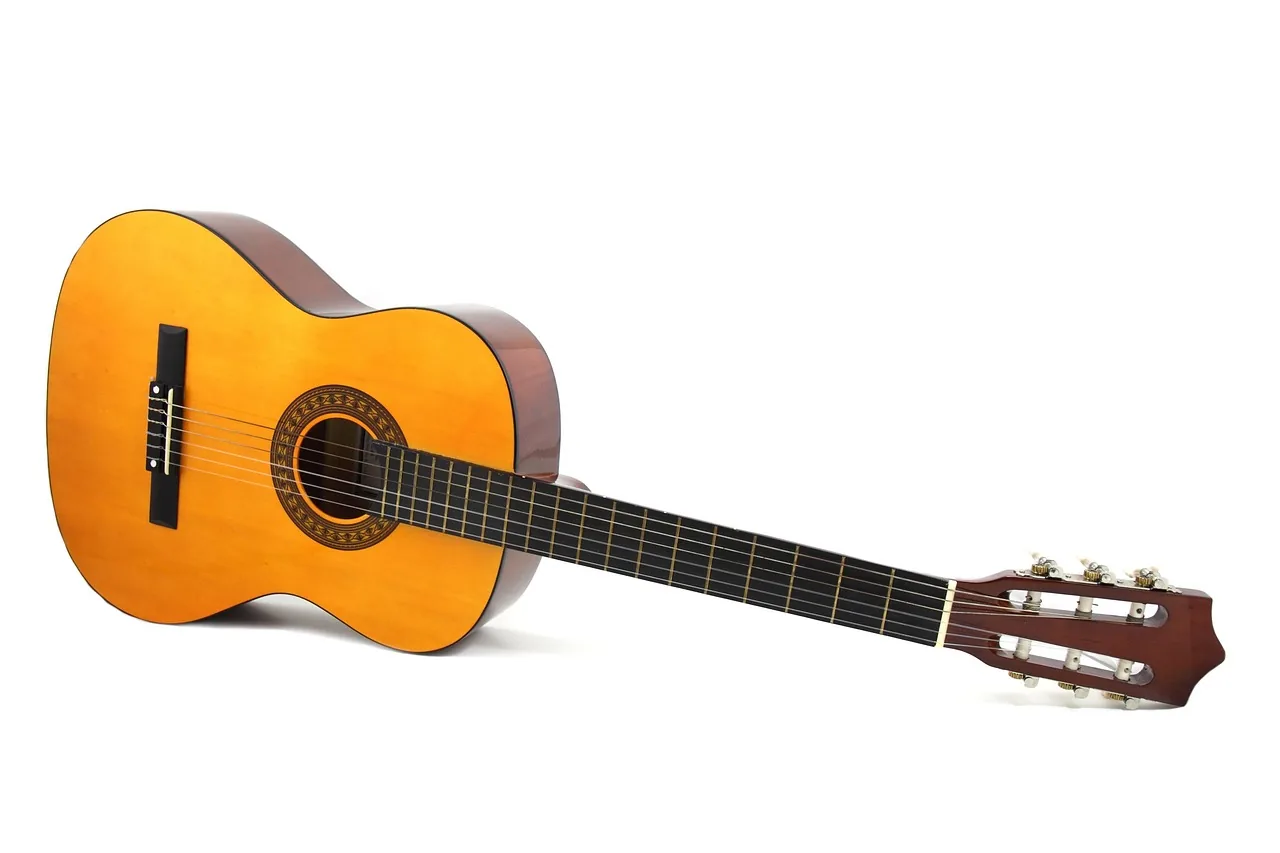
The three-stringed instrument is an instrument of traditional music that forms part of our musical heritage. It is distinguished by its three strings. Also known as a three-stringed lute, this rare and exotic instrument is a musical curiosity to discover in world music.
Traditional music is full of rare and unusual instruments. The three-stringed instrument, or three-stringed lute, is a fascinating example. With its distinctive sound, it has a place in the rich world of musical heritage.
Bowed string instruments
Bowed string instruments play an essential role in Western classical music. They include the violin, viola, cello and double bass. These richly expressive instruments have been used for centuries and are integral to the symphony orchestra.
The violin is the best-known and most widely played bowed string instrument. With its vibrant sound and expressive range, it is often regarded as the leading instrument of the orchestra. The viola, with its warm tone and lower register, adds depth to the string section.
The cello has a rich, deep sound that can convey a wide range of emotions. It is a versatile instrument, equally suited to virtuosic melodies and sustained accompaniment.
Finally, the double bass is the lowest-pitched bowed string instrument. Its deep, powerful sound gives it a crucial role in the orchestra’s string section.
A musical excerpt: Ludwig van Beethoven’s “Symphony No. 5”
“Listen to how the bowed string instruments passionately play the intense melodies of Beethoven’s famous “Symphony No. 5.” Their expressive sound and captivating nuances make this symphony an essential masterpiece of classical music.”
Despite their prominence in Western classical music, the three-stringed instrument is not commonly used in this tradition. Nevertheless, this rare and unusual instrument continues to interest musicians and music lovers seeking distinctive sounds.
The beauty and power of bowed string instruments are fully expressed in Western classical music. Whether in a symphony orchestra or as solo instruments, the violin, viola, cello and double bass continue to captivate listeners with their exceptional sound and expressiveness.
Plucked string instruments
Plucked string instruments are played by plucking or strumming their strings with the fingers or a plectrum. They have distinctive sounds and are integral to traditional music. These instruments include:
Classical guitar
The classical guitar is often used in classical and acoustic music. Its nylon strings produce a rich, warm sound, and the instrument offers musicians great versatility.
Harp
The harp is a plucked string instrument that produces gentle, melodic sounds. It is often associated with folk, Celtic and classical music, to which it adds a distinctive texture.
Lute
The lute is an early plucked string instrument used for centuries in Renaissance and Baroque music. It is prized for its delicate tone and enchanting melodies.
Mandolin
The mandolin is a plucked string instrument in the lute family. It is often used in folk and classical music, as well as some styles of popular music. Its bright, lively sound brings a joyful, expressive quality to a piece.
Keyboard
Keyboard instruments such as the harpsichord also include plucked string instruments. These instruments use a mechanism operated by a keyboard to pluck the strings and produce sound. The harpsichord, for example, is known for its distinctive tone and was widely used in Baroque music.
“Plucked string instruments offer a wide variety of sounds and expressive possibilities in traditional music. Their unique characteristics distinguish them from other string instruments and make them essential to exploring different musical sounds.”
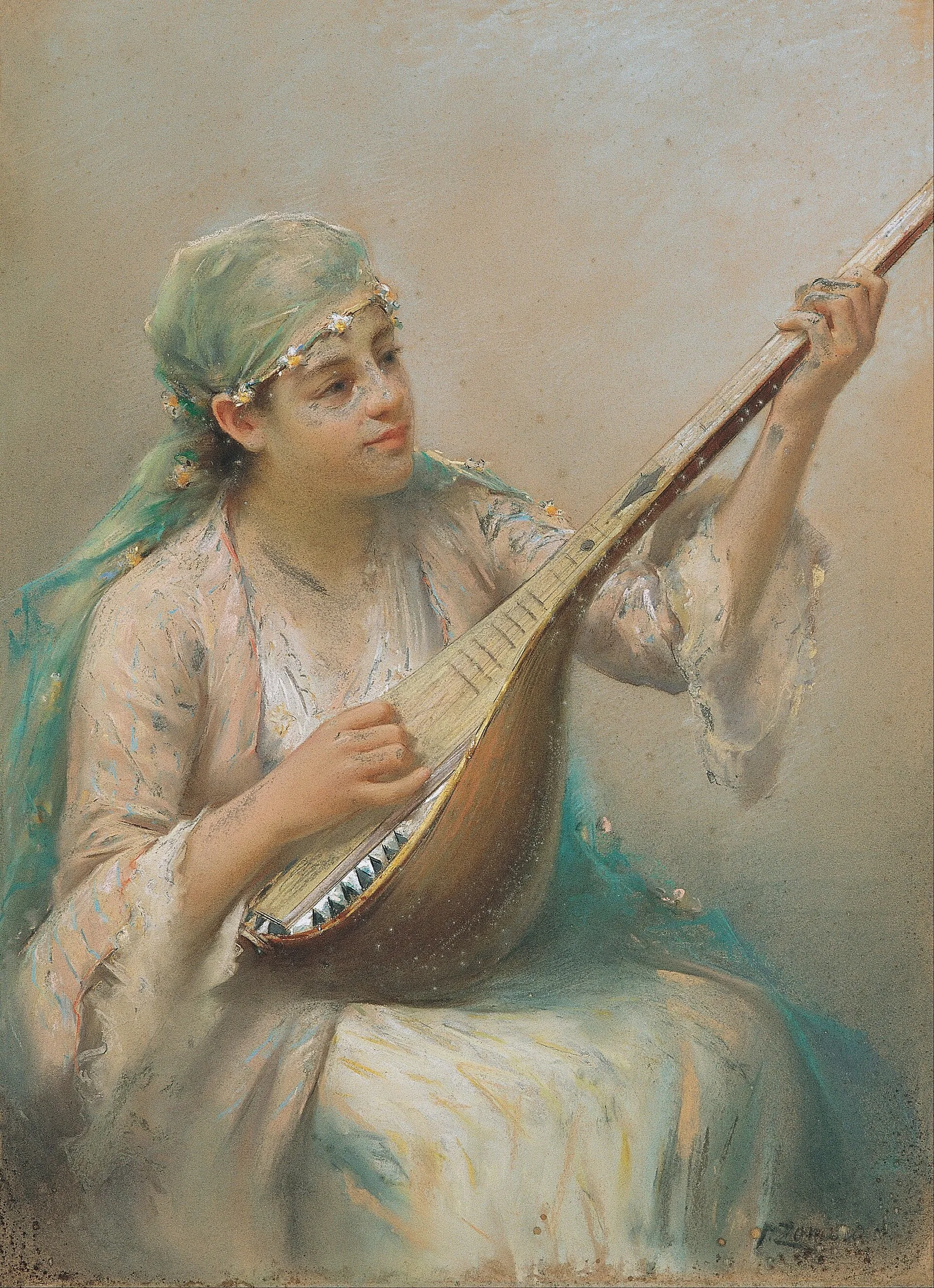
Comparison of plucked string instruments
| Instrument | Sound | Uses |
|---|---|---|
| Classical guitar | Rich and warm | Classical and acoustic music |
| Harp | Gentle and melodic | Folk, Celtic and classical music |
| Lute | Delicate and enchanting | Baroque and Renaissance music |
| Mandolin | Bright and lively | Folk, classical and popular music |
| Keyboard | Varies by instrument | Baroque and classical music |
Struck string instruments
Struck string instruments are played by hitting their strings with hammers. They have distinctive sounds and feature in various musical traditions.
These struck string instruments include:
- The fortepiano, considered a predecessor of the modern piano.
- The piano, one of the most popular and widely used musical instruments.
- The cimbalom, a traditional struck string instrument from Eastern Europe.
- The hammered dulcimer, a struck string instrument found in traditional music.
- The string drum, a struck string instrument used in folk music.
These struck string instruments are distinguished by their characteristic sounds and their use in different musical genres. They add an engaging texture to compositions.
Here is a well-known quotation attributed to Frédéric Chopin, one of the most influential composers in music history:
“Music is the refuge of the inarticulate, outward meditation, the marriage of heaven and earth. Through it, humanity measures itself against the mystery.” — Frédéric Chopin
History and development of the harpsichord
The harpsichord is a keyboard-operated plucked string instrument that played an important role in early music. Considered one of the predecessors of the modern piano, the harpsichord has a rich and varied history.
Over time, the harpsichord underwent several changes. Many harpsichord makers helped improve it and adapt it to the needs of composers and musicians. Their meticulous work refined its mechanism, improved the sound of its plucked strings and enabled new playing techniques.
Despite its importance in early music, the harpsichord gradually fell out of favour after the invention of the piano. Pianos offered greater expressiveness and a wider range of dynamics, helping the piano gain popularity at the harpsichord’s expense.
Despite its decline in the mainstream repertoire, the harpsichord remains valued for its historical character and distinctive tone. It is often played in early music and historically informed performances, in which musicians use period instruments to recreate sounds of the past.
The harpsichord remains a fascinating instrument for early music enthusiasts and admirers of plucked string instruments. Its unique sound and compelling history make it an instrument that any music lover can discover and enjoy.
Conclusion
In conclusion, the three-stringed instrument is a musical curiosity worth exploring. In the wide world of world music, this unusual instrument is a treasure of musical heritage. Its unique sound and distinctive features make it fascinating to discover and appreciate.
FAQ
What is the three-stringed instrument?
The three-stringed instrument is a traditional musical instrument that forms part of our musical heritage. It is distinguished by its three strings.
What is this instrument also called?
It is also known as a three-stringed lute.
Is the three-stringed instrument rare?
Yes, the three-stringed instrument is considered rare, making it a musical curiosity to discover in world music.
Which bowed string instruments are used in Western classical music?
The bowed string instruments used in Western classical music are the violin, viola, cello and double bass.
Which plucked string instruments are used in traditional music?
Plucked string instruments used in traditional music include the classical guitar, harp, lute, mandolin and keyboard instruments such as the harpsichord.
Which instruments have struck strings?
Struck string instruments include the fortepiano, piano, cimbalom, hammered dulcimer and string drum.
What role did the harpsichord play in early music?
The harpsichord is a keyboard-operated plucked string instrument that played an important role in early music. It is considered one of the predecessors of the modern piano.
How did the harpsichord develop over time?
The harpsichord underwent several changes over time. Many harpsichord makers helped improve it and adapt it to the needs of composers and musicians.