
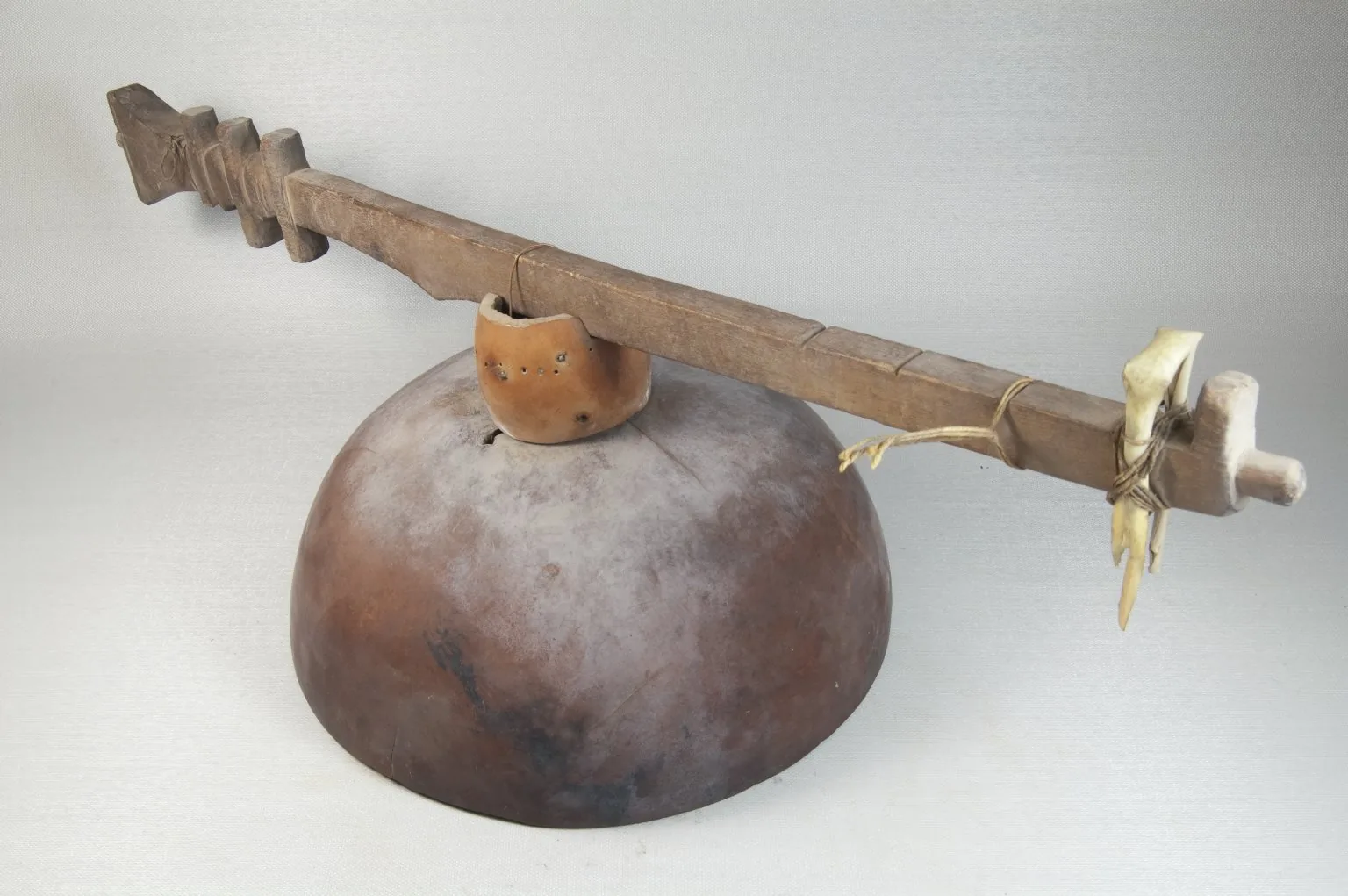
Introduction. This article introduces a rare, understated instrument that is often absent from mainstream recitals. It explains why the instrument is well suited to learning the basics of plucked strings.
A concise definition. It belongs to the chordophone family. The principle is simple: three strings are plucked to produce a restrained, captivating tone. It appears in poetic songs and Sufi rituals.
Educational value. Having fewer strings reduces technical complexity while still offering enough possibilities to develop listening, tuning and accompaniment skills.
The rest of the article explores its origins, construction, playing techniques and repertoire, as well as the history of its rise and decline. In France, renewed museum interest reminds us that “three strings” does not mean simplistic: it offers another way to learn music.
Understanding the three-string lute and its place among plucked instruments
This instrument occupies a distinctive place among plucked strings. Its principle is direct: the musician’s gesture sets the string vibrating, creating an immediate connection between the attack and the sound heard.
A rare and understated model
Its rarity in collections reflects both the small number of surviving examples and its limited circulation. It is often confused with more common lutes, making identification difficult.
How it differs from instruments with multiple courses
Unlike lutes with six to eight courses, each string here has a voice of its own. The playing style is more spare: there is less density and polyphony, but greater precision in the attack.
Why its sound appeals today
- An intimate tone: low volume and great delicacy.
- Resonance that is easy to study: ideal for examining attacks and how sounds decay.
- Educational value: ideal for practising tuning and attentive listening.
To learn more about surviving examples and their uses, see this article by Madame Musique.
Origins and historical circulation: from the oud to medieval European lutes
Its origins emerge from old treatises and trade routes. Tenth-century Arabic manuscripts mention the oud al-thulathiyat, a documented predecessor that places this form within a long history.
Roots and spread. Its journey led from the Persian and Arab worlds westward. Exchanges along the Silk Road spread craftsmanship, repertoires and instrument designs over several centuries.
Andalusia as a crossroads. Moorish Spain played a central role. In Andalusia, adaptations to bodies, necks and techniques helped bring about substantial changes between Eastern and European practices.

Medieval traces
The first significant European depiction appears in the Cantigas de Santa María (1284). These images provide a visual and chronological reference point.
- Early reference: the oud al-thulathiyat (tenth century).
- Routes of transmission: trade routes and the Silk Road.
- Iconography: the 1284 Cantigas as a European record.
To explore this history and its effects on modern playing in more depth, read this overview of the history of the guitar.
An instrument rediscovered in France: museums, collections and current interest
In Paris, a fifteenth-century example attracted attention during the 2023 “Instruments of the Near East” exhibition at the Musée de la musique, part of the Cité de la musique. The display turned the object from a mere curiosity into a subject of study.
Rarity. Europe has little more than a dozen historical specimens—around twelve—which helps explain why the public knows so little about it.
Visibility and research
Museum collections make it possible to examine materials, measurements, stringing and the presence or absence of frets. These clues shed light on dating, construction and use.
A living heritage
Rediscovery inspires reconstructions, specialist ensembles and educational projects. It opens a path to passing on knowledge through practice as well as preservation.
For an in-depth study of these practices and their context, consult the cited research.
Three-string lute: simple instruments for learning
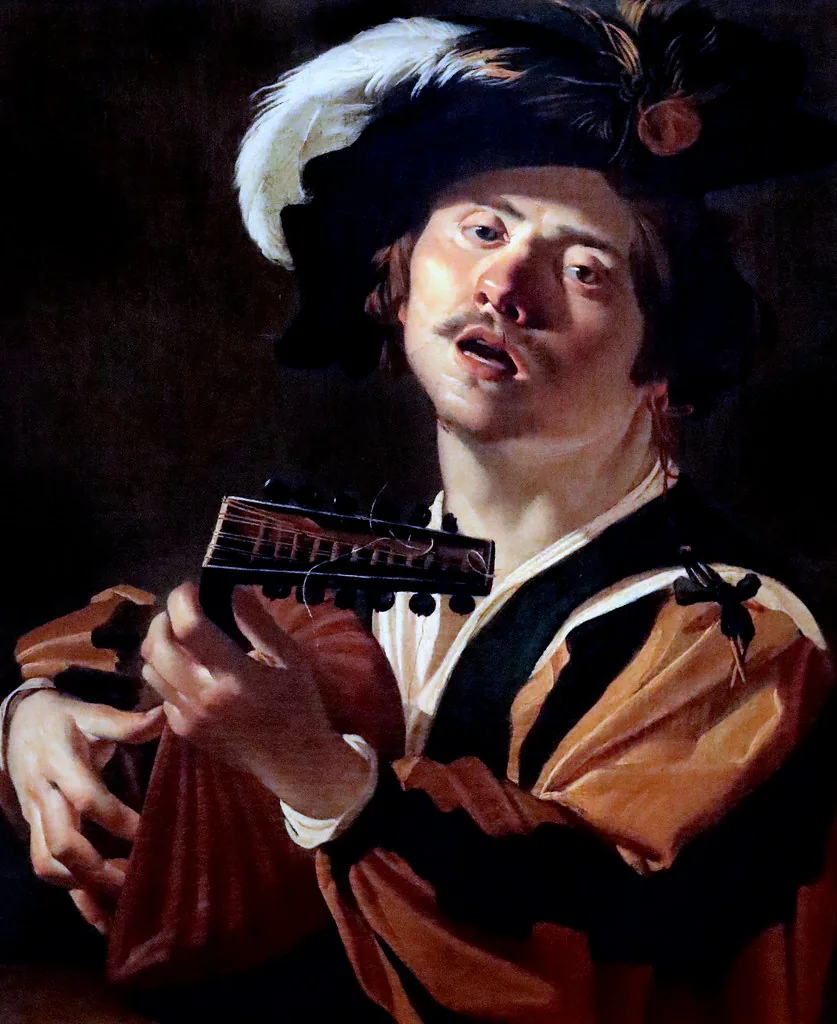
A short neck and compact shape make the instrument easy to handle. Players quickly find their bearings on the fingerboard. Their posture remains natural, reducing fatigue.
Simplifying to listen more closely
Three strings speed up learning. Mistakes become obvious, intervals are easier to recognize and tuning is quickly understood. Attention can turn to sound quality rather than excessive technique.
A practical approach to tuning and the fingerboard
Begin by exploring the open strings, identifying intervals and connecting each position with its pitch. This exercise helps develop lasting control over tuning and intonation on the fingerboard.
Accompaniment exercises and ensemble playing
- A continuous drone to steady the pulse.
- Alternation between bass and melody to develop balance.
- Simple rhythms and exchanges between voice and instrument to develop coordination.
| Feature | Learning benefit | Example exercise |
|---|---|---|
| Short neck | Greater left-hand precision | Repeated short scales |
| Compact shape | Comfortable posture | Open chords and drones |
| Easily heard resonance | Listening to attacks and decays | Controlling attack and dynamics |
Goal: train the ear and the hands, then prepare the musician to play in an ensemble without piling up technical challenges.
Construction and materials: what shapes tone and resonance
Every part of the instrument plays a specific role in producing its tone and resonance.
Body: it gives the sound its volume and character. A sycamore maple body offers a clear, bright sound. Depending on its shape, it alters the harmonics and projection.
Soundboard: often made of spruce, it projects the sound and balances bass and treble. A thin spruce soundboard encourages a more responsive dynamic range.
Neck: it provides stability and playing comfort along the fingerboard. A well-designed neck makes accurate intonation easier and reduces fatigue.
Gut strings: they feel warmer beneath the fingers. Their response to the attack is more supple than that of modern materials.
An indicative tension is around 6 to 8 kg per string, a useful estimate for understanding stability and the risk of breakage.
Frets, courses and the role of instrument makers
Frets make accurate intonation easier and enable polyphony. The fretless oud, by contrast, allows more scope for micro-intervals.
Single or double courses change the density of the sound and the feel of playing.
Instrument makers must balance historical authenticity, durability and the expectations of contemporary musicians. For more on the technical aspects, consult this study of instrument construction.
Tuning and sound principles: doing a lot with three strings
To create an expressive range with only three strings, tuning and articulation are essential.
Simple tuning: use A–D–G, based on fourths, to find positions quickly. This tuning makes drones and simple inversions more accessible.
Arrangement and practical uses
With this system, the lowest string serves as a drone. The second can play partial chords. The third carries the melody.
The short duration of the sounds calls for deliberate choices. Notes decay quickly, so the player must renew the sound and articulate cleanly.
Articulation strategies
- Alternate strings to maintain energy.
- Use accents and slight delays to add shape.
- Choose efficient fingerings to preserve the clarity of each attack.
| Challenge | Solution | Effect |
|---|---|---|
| Rapid decay | Alternation between drone and melody | Continuity in the musical line |
| Unstable intonation | Tuning in fourths (A–D–G) | A clear reference for the ear |
| Hand coordination | Slow exercises for the left and right hands | Consistency and precision |
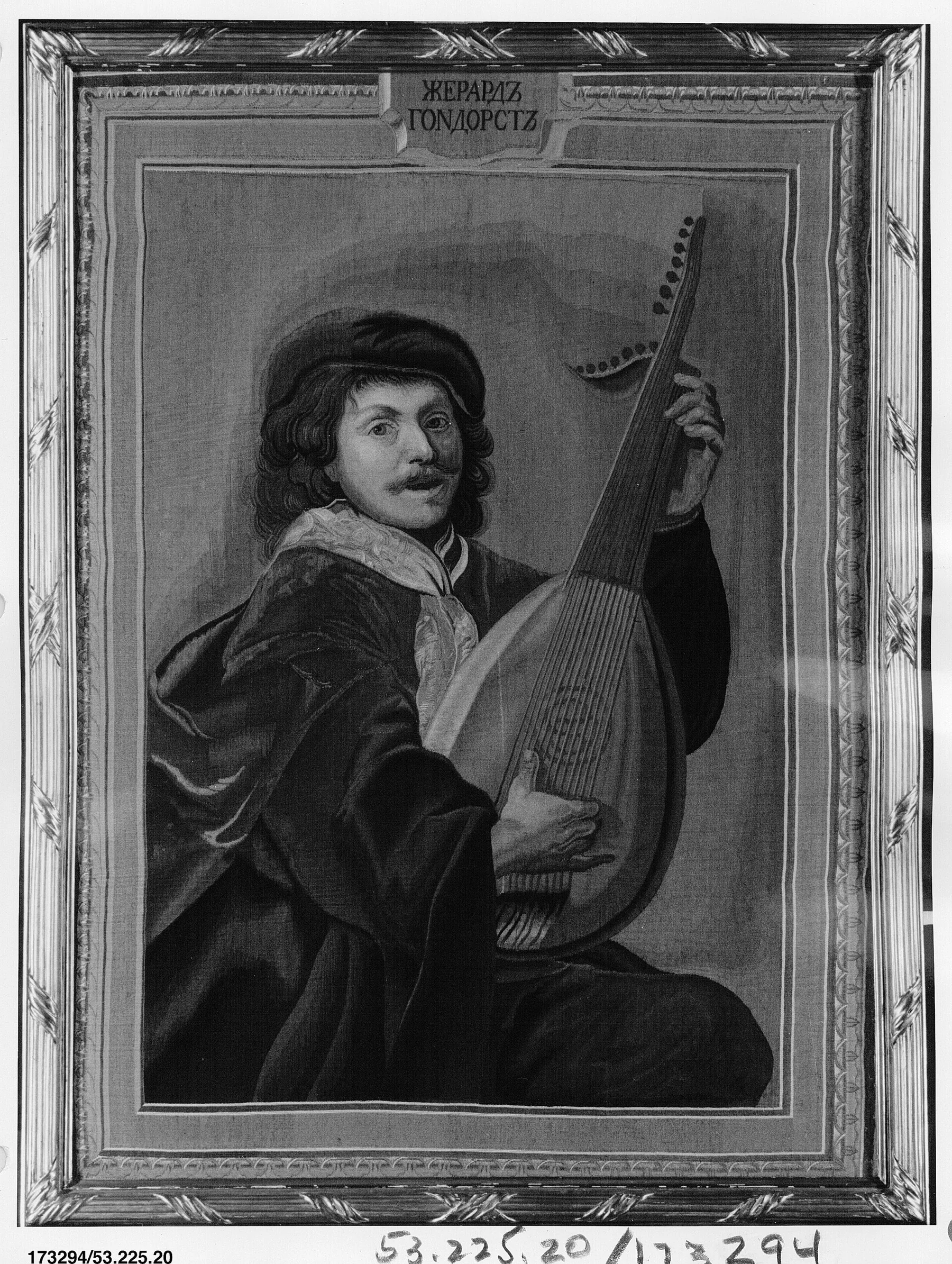
Playing techniques: fingers, plectrum and ornamentation
The right hand moved from a position aligned with the strings to one perpendicular to them, opening up new expressive possibilities.
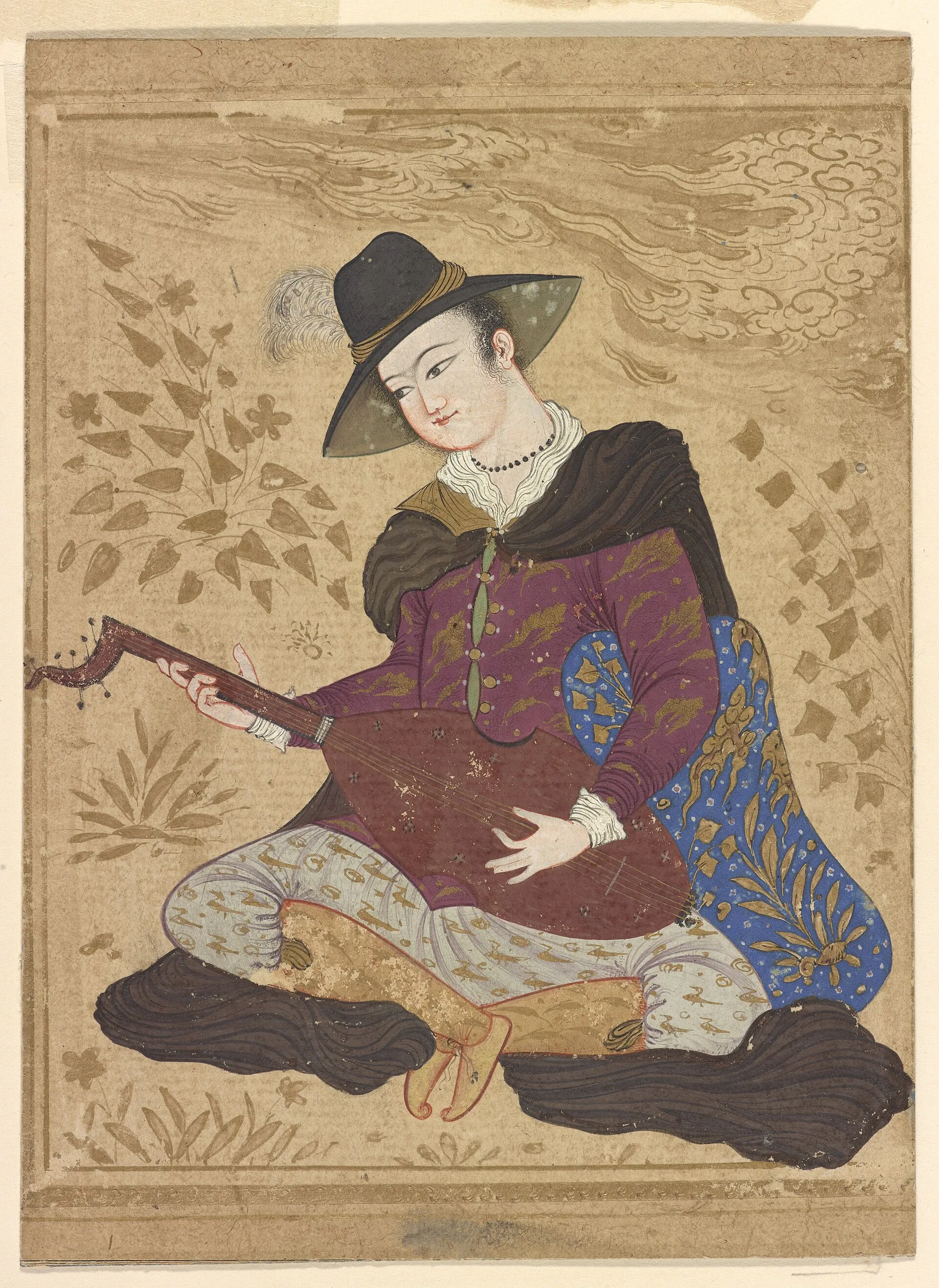
The medieval plectrum and the transition
At first, plectrum playing predominated. Alternating strokes produced crisp, rhythmic articulation. This technique emphasized a clear attack.
Gradually, finger playing allowed richer polyphony. Musicians could manage several voices at once.
Perpendicular hand position and control
Holding the hand perpendicular to the strings improves precision and control over dynamics.
This position makes it easier to alternate between bass and melody without overpowering the main line.
Trills, vibrato and renewed attacks
Trills help compensate for the short-lived sound: repeated left-hand movements renew its energy.
Vibrato, a slight lateral movement, enriches the tone through small variations in tension.
Attack, expression and balance between voices
Work on the attack to shape each phrase. Keep the bass in proportion so the melody has room to breathe.
These techniques influenced other instrument families and remain essential means of expression when playing melodies and chords.
| Technique | Purpose | Exercise |
|---|---|---|
| Plectrum (attack) | Rhythmic clarity | Slow alternating strokes, then faster ones |
| Fingers (polyphony) | Managing several voices | Interlocking arpeggios |
| Trills and vibrato | Renewing and coloring the sound | Short trills and slow vibrato |
Repertoire and uses: from accompaniment to intimate pieces
The repertoire often has an intimate character, with the instrument supporting the voice and poetry. It accompanies sung poems, Sufi rituals and moments of reflection.
Practical roles: accompaniment takes the form of sustained drones, rhythmic accents and short ostinatos. This role supports clear delivery of the text and continuity of the phrase.
Spiritual dimension: in Sufi settings, the spare sound reinforces the intention. The musical gesture follows the breath of the singing and creates a direct connection between music and meaning.
Polyphony and frets
Frets stabilize positions and make simple polyphony possible. Short sequences of intervals build small melodic lines between the voices.
Exchanges with the voice and small ensembles
Suitable forms include short preludes, variations, intimate pieces and measured improvisations. A voice and lute work well as a duo; pairing the lute with choirs, a fiddle or a flute calls for moderate volume and slow tempos.
| Use | Effect | Example |
|---|---|---|
| Accompaniment | Support for the text | Drone and melody |
| Intimate pieces | Concentrated sound | Short prelude |
| Improvisation | Rhythmic flexibility | Variations on a motif |
“Choose comfortable vocal ranges, moderate tempos and repeated motifs to let the instrument sing.”
Useful comparisons: Western lute, Arab oud, Turkish saz and guitar
Comparing these string instruments reveals very different choices in sound and technique. The comparison helps players choose according to their aim: polyphony, modal playing or song accompaniment.
Frets and micro-intervals: frets stabilize intonation and support chord playing. The fretless oud, by contrast, allows players to perform maqams and subtle inflections.
Neck, body and tone: what changes the playing experience
A long neck, like that of the saz, gives access to a wider range of positions. A large body sustains sounds for longer.
A compact soundboard gives a clear attack. These differences affect hand position and the way players listen to the sound.
What the guitar inherits from this family
The guitar follows the same plucked-string principles: chords, accompaniment and ease of playing. Its modern design makes learning harmony more accessible.
- For learning: choose a fretted model to find your bearings quickly.
- For modal playing: choose a fretless instrument to refine your ear.
Social prominence and education: the lute’s golden age in the seventeenth century
The golden age of the seventeenth century saw string playing become a sign of refinement. The practice became part of courtly conventions and the culture of the salon.
A mark of social standing and good education
Playing in a salon demonstrated cultivated taste. Teachers and families considered learning the instrument a mark of distinction.
Virtuosos, teachers and restricted instruction
Renowned musicians attracted students. Access to the most respected teachers was sometimes difficult. Lessons, reputation and personal connections all played a part in progress.
Secrecy and the guild tradition
Some techniques remained secret. Virtuosos guarded their refinements, creating an almost initiatory atmosphere within workshops.
Collections and emblematic titles
Revealing sources: collections such as Le Secret des Muses (Vallet, 1618), Thesaurus harmonicus (Besard, 1603) and Trésor d’Orphée (Francisque, 1600) illustrate this fascination with “secrets” and treasures.
- Educational role: learning hand technique and harmony.
- Social position: a skill valued in salons.
- Competition from other instruments: the harpsichord gained prominence, while the violin grew in popularity.
“Mastery of this art serves social reputation as much as musical expression.”
Decline and change: why the lute lost ground to ensembles
By the mid-seventeenth century, musical tastes were shifting toward fuller textures. The change was more than technical: it reflected a new outlook that favored breadth, contrast and a variety of timbres in salon and stage music.
From 1640: a taste for ensemble music
Group performance gained prestige. Musicians favored forms in which several lines interacted. The pursuit of greater volume and a blend of tone colors changed instrument-making choices.
Blended timbres and competition
The harpsichord and violin became points of reference: the harpsichord provided a sustained texture, while the violin projected farther. These instruments fit more readily into ensembles and the new roles demanded by the century’s music.
From lute to theorbo: adaptations and limits
Adaptations took the form of extensions. The theorbo extended the bass range and strengthened the accompaniment. Yet this adaptation had limits: its sound and projection did not fully close the gap with expanding ensembles.
- Social role: venues for music-making changed, as did audience expectations.
- Changing tastes: interest in varied timbres reduced the appeal of more intimate instruments.
- Historical development: this shift explains why, over the century, musicians increasingly favored larger, louder groups.
Conclusion
The short duration of its sounds invites measured playing and a clear musical intention.
This lute remains rare in collections. It traveled between East and West and retains a distinctive place among string instruments. Its understated tone calls for attentive listening, a precise attack and a focus on sound quality rather than volume.
For learners, three strings provide an ideal way to practise tuning, listening and precise playing. Two historical landmarks mark its journey: its social golden age in the seventeenth century, followed by the growth of ensembles from 1640.
Practise a small repertoire, accompany a singer and compare it with the oud or guitar. Doing a lot with few strings is the key: favor resonance, musical intention and finesse.