
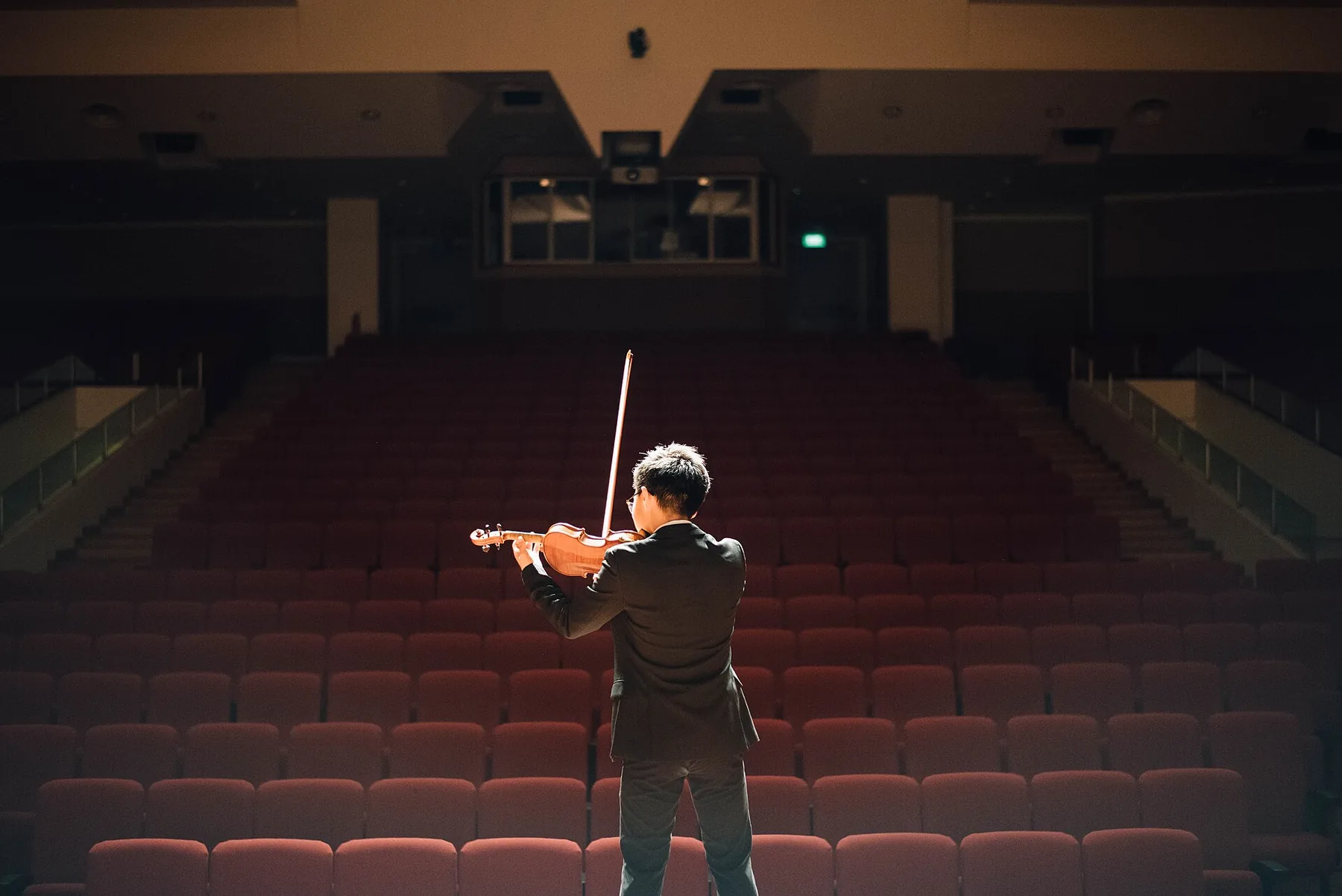
Learning to play the violin is an exciting journey. It is important to choose methods that suit your learning style and goals. Violin tutorials are ideal for beginners. They clearly explain how to hold the instrument and maintain good posture.
Online lessons and apps are also useful. They let you learn flexibly and tailor your learning path.
Lessons should help you make steady progress. Methods should be simple and tutorials interactive. Online resources and apps offer a wide range of content. Finding a method that works for you is essential.
The fundamentals of learning the violin
Learning to play the violin calls for a well-designed approach. Teaching techniques and violin lessons need to suit each student. How you hold the instrument and your posture are essential to playing well.
The first steps include finger exercises and rhythm practice. These activities help develop the necessary skills. Basic music theory is also important for playing with confidence. To learn more about bowed string instruments, visit Quatuor Antares.
Here are some key points to consider when learning the violin:
- Regular practice is essential for making quick progress.
- Following a structured method helps you avoid bad habits.
- Violin lessons should suit each student’s needs and level.
In short, learning to play the violin requires a structured approach, suitable teaching techniques, violin lessons, and regular practice. By following this advice, you can become a capable violinist.
Different traditional teaching approaches
Traditional ways to learn the violin include the Suzuki method and instruction at a music school. They emphasize learning through imitation.
The Suzuki method is particularly interesting. Children can start as young as three or four. Parents play a key role by helping their children develop their musical skills. For more information, visit Radio France.
These methods have many benefits. They emphasize listening and imitation, involve parents and students, and encourage singing, playing, and improvisation.

In short, traditional methods offer several ways to learn the violin. From the Suzuki method to music school, each has its advantages. Improving your musical skills takes practice and patience.
| Method | Starting age | Parent involvement |
|---|---|---|
| Suzuki method | 3 to 4 years | Yes |
| Music school instruction | 6 to 7 years | No |
Modern methods of learning the violin
Modern methods of learning the violin offer many possibilities. Online violin lessons are very popular. They let students follow violin tutorials at their own pace.
Mobile apps for violin learners are also useful. They offer lessons and exercises to improve technique. Technology helps students make faster progress.
Online learning and digital resources
Digital resources for learning the violin are varied. They include videos, podcasts, and mobile apps. These tools help students improve their technique and learn new pieces.
An online violin workshop offers personalized lessons. It also provides feedback to help students progress.
Dedicated mobile apps
Mobile apps for violin learners offer lessons and exercises. They help violinists improve their skills. Some include features such as metronomes and tuners.
| App | Features |
|---|---|
| Violon Tutor | Online lessons, practice exercises, metronome, tuner |
| Violon Pro | Online lessons, practice exercises, recorder, library of pieces |
Violin lessons: the best teaching methods for making quick progress
Violin lessons are essential for making quick, effective progress. You need to practice often, review the basics, and learn new techniques. Online violin tutorials are helpful when starting out. They provide a structure and practical exercises.
Here are a few tips for making quick progress:
- Practice regularly, even if it is only for 15 to 30 minutes a day.
- Review the fundamentals, such as scales and studies.
- Learn new techniques, such as détaché, legato, and vibrato.
Choosing the right violin lessons is also important. Private lessons are very effective. They allow mistakes to be corrected immediately and learning to be tailored to your needs. Modern teaching methods use tools such as metronomes to support learning.
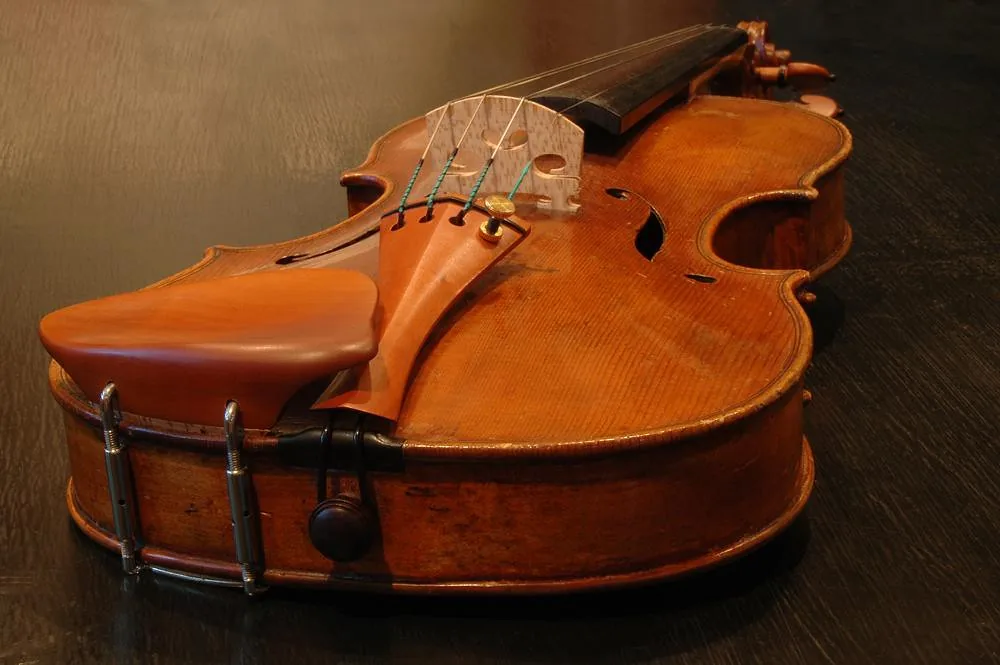
In short, violin lessons are essential for making quick, effective progress. The best methods include regular practice, reviewing the basics, and learning new techniques. By choosing the right lessons and using modern methods, you can improve your playing and reach your musical goals.
| Method | Benefits |
|---|---|
| Private lessons | Immediate correction of mistakes, personalized progress |
| Online violin tutorials | Clear structure, practical exercises, accessibility |
| Modern teaching methods | Use of tools such as metronomes and drones |
Tailoring learning to your level
Learning the violin calls for a tailored approach. Teaching techniques should meet each student’s needs. Violin lessons can take place individually or in groups, according to the student’s preference.
Beginners need to learn the basics, such as good posture and how to hold the instrument. Intermediate students need to improve their technique. Advanced students need to master their craft and express themselves through it. Each level has its own goals and methods.

There are several ways to learn the violin: private lessons, group lessons, or online lessons. Private lessons adapt to the student’s level. Group lessons encourage interaction. Online lessons offer flexibility and a wide range of resources.
| Level | Goals | Methods |
|---|---|---|
| Beginners | Learn the essential basics | Private or group lessons |
| Intermediate | Refine technique | Online or group lessons |
| Advanced | Master and express their craft | Private or online lessons |
The importance of regular, structured practice
Regular practice is essential for progressing on the violin. Online violin instruction and improving your musical skills call for a methodical approach. About 60% of students reach an intermediate level after two to three years of practicing for 30 minutes to an hour a day.
To progress effectively, you need to practice five days a week. Adults have an advantage: discipline and the ability to analyze their playing. Online resources, such as videos and apps, are available on sites such as Quatuor Antares. They offer advice on improving your playing.
Here is how to organize your practice:
- 5 to 10 minutes of warm-up
- 15 to 20 minutes of technical work
- 20 to 30 minutes of repertoire practice
- 5 to 10 minutes of review and free playing
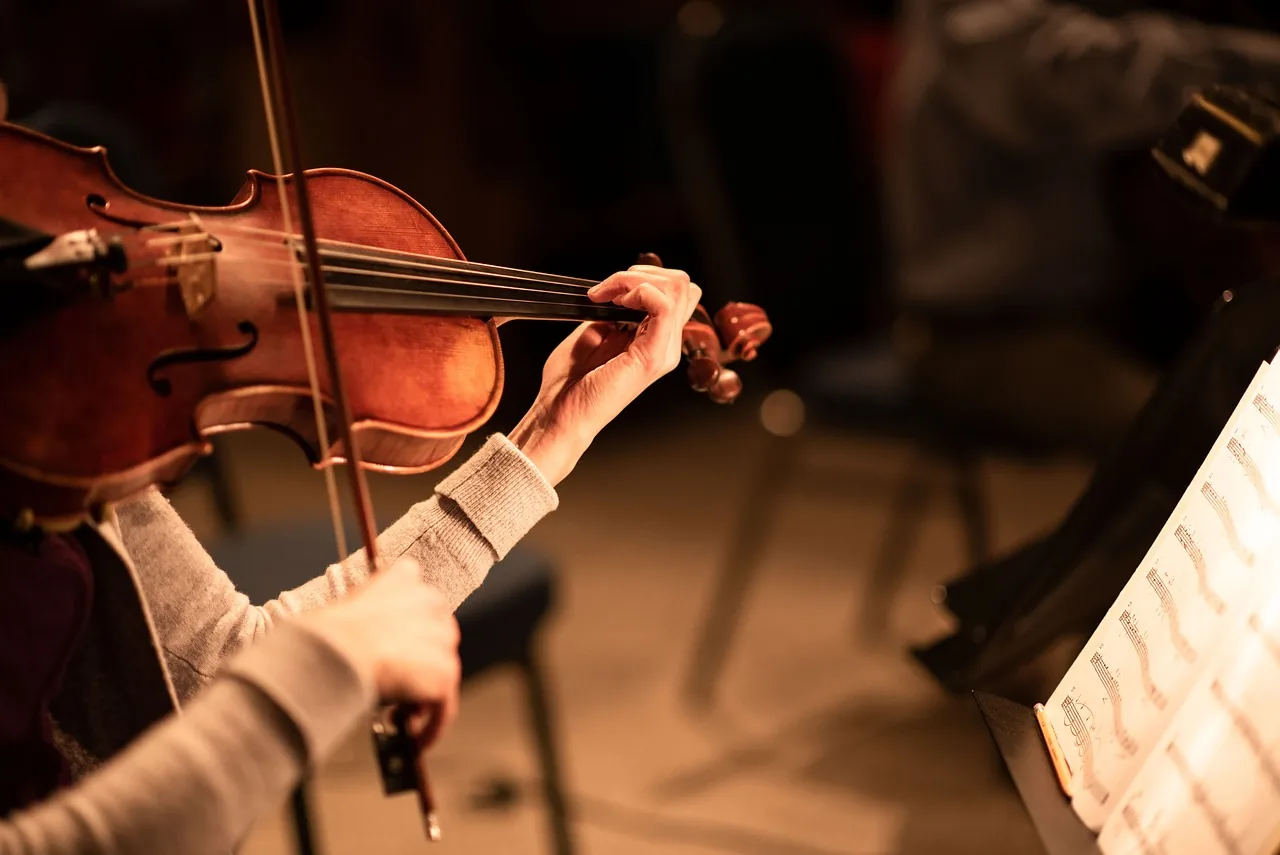
Following this advice will help you improve your playing. Online violin instruction and improving your musical skills require patience, discipline, and consistency.
| Level | Average time to reach the level | Weekly practice |
|---|---|---|
| Beginner to intermediate | 2 to 3 years | 3 to 5 hours a week |
| Intermediate to advanced | 3 to 5 years | 5 to 10 hours a week |
| Advanced to expert | 5 to 10 years | 10 to 20 hours a week |
Conclusion: succeeding in your violin studies
To learn the violin, choose your methods carefully. Practice often, whatever your level. Patience and perseverance are essential.
Using online resources and apps can help. These tools can keep you motivated and provide remote instruction. Explore them to enrich your learning. With good guidance and regular practice, you can reach your musical goals.
FAQ
What are the best teaching methods for learning the violin?
How can I master the fundamentals of learning the violin?
What traditional approaches are used to teach the violin?
What are the modern methods of learning the violin?
How can I make quick progress with the best teaching methods?
How can I tailor my violin studies to my level?
Why is regular, structured practice important for progressing on the violin?
Source links
- https://musiciansunion.org.uk/working-performing/education-and-teaching/career-development-as-a-teacher-en/practice-diaries-and-workbooks
- https://bpo.org/aiovg_videos/violin-beginners-toolkit-with-amy-glidden/
- https://nafme.org/blog/applicability-of-digital-learning-strategies-dls-in-teaching-general-music-guitar-ukulele-and-piano/
- https://www.pianote.com/blog/best-way-to-learn-piano/
- https://www.musique-en-coulisses.fr/en/different-approaches-to-music-education-from-suzuki-to-orff/