
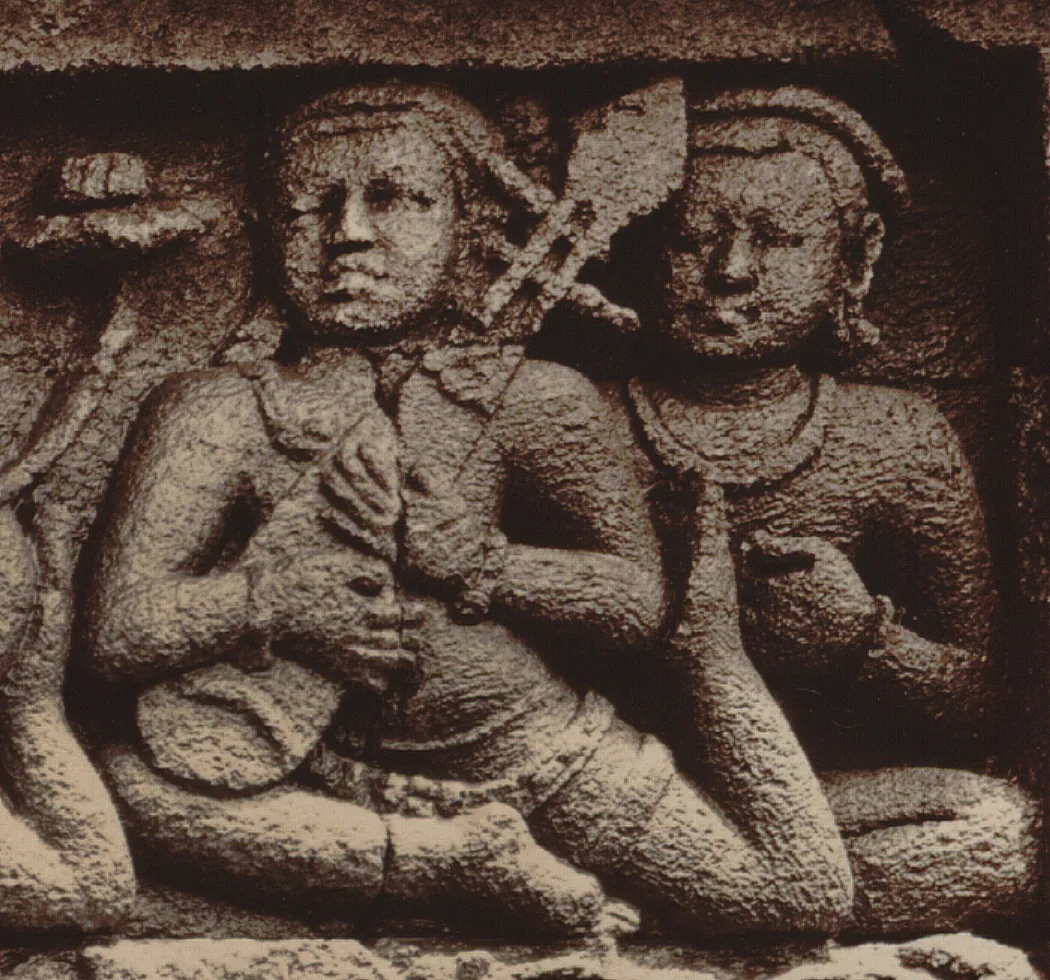
Clear definition: here, the term refers to a family of lutes, rather than a single model. These long-necked chordophones share forms and uses in Iran and neighboring regions.
What this guide offers: a short glossary covering each instrument’s names, shape, number of strings, playing techniques and useful descriptive terms.
Why speak of “related instruments”? Because they have features in common: plucked strings, a long neck and a melodic role. Regional influences have reinforced these similarities.
How to read this guide: we will start with general definitions, then distinguish the Persian and Azerbaijani târs, the setâr and the barbat/oud, before turning to instruments often confused with them, such as the santur and qanun.
Essential cultural context: these instruments feature in traditional and classical music (radif, mugham). This article focuses on concrete features—materials, anatomy, number of strings, range and playing position—to help prevent confusion.
Understanding Iranian lutes in traditional and classical music
To understand this term, we need to consider shape, use and playing method.
What the name covers in local contexts: it can refer to several plucked-string chordophones. Some have a long neck (târ, setâr); others have a rounded body (barbat/oud). Audiences and musicians do not always use the same names.
Simple identifying features:
- a long neck or rounded body;
- metal or nylon strings played with a plectrum or fingernail;
- playing that is mainly melodic rather than chordal.
In traditional and Persian classical music, ornamentation and micro-intervals shape the listening experience. These plucked strings have a melodic role, often supported by drones and courses (groups of strings).
Yet this family resemblance conceals differences in shape, right- and left-hand technique, and repertoire. We will explore these distinctions below.
| Feature | Signs | Example |
|---|---|---|
| Neck | Long, movable frets | Setâr, târ |
| Body | Rounded or heart-shaped | Barbat/oud, târ |
| Playing style | Melodic, ornamented | Radif, mugham |
Iranian lutes: related instruments, names and distinctive features
The names of these chordophones reflect their geographical histories and changes in their construction.
Why several names coexist
The variety of names comes from transliterations (târ/tar), local languages (Persian, Azerbaijani and Arabic) and historical traditions. In the nineteenth century, for example, Sadigjan transformed the Azerbaijani tar, increasing its number of strings from 6 to 11 and changing how it was held.
Key differences: shape, strings and technique
A practical identification method: begin with the shape of the body (double-heart, pear-shaped or rounded). Then count the strings and observe how the musician holds the instrument.
- String arrangement: courses or single strings.
- Materials: wood, membrane or solid-wood soundboard.
- Plucking tools: a plectrum or fingernail, each producing many different effects.
- Right-hand technique: strokes, tremolos, glissandi and vibrato vary by model.
Coming up: the following sections provide detailed profiles covering definitions, anatomy, strings, playing methods, range and cultural context.
Quick glossary of Iranian instrument families
Before examining individual instruments, let us place their families in context by sound and use.
Here is an overview to help identify each instrument by the way it produces sound.
Plucked-string instruments
Examples: târ, setâr and barbat/oud. The qanun is also played by plucking its strings, but has no neck.
Bowed-string instruments
The kamancheh and qichak are played with a bow. Their sound texture and right-hand technique are quite different.
Percussion and wind instruments — useful reference points
The daf and tonbak (percussion) and the ney (wind) often accompany string instruments. These families provide a rhythmic foundation and add color to the ensemble.
- Essential vocabulary: body, neck, strings, plectrum, bow.
- This glossary provides a guide before the sections on instrument making and individual instruments.
| Family | Examples | Playing method |
|---|---|---|
| Plucked strings | târ, setâr, barbat/oud, qanun | Plucked with a plectrum or fingernail |
| Bowed strings | kamancheh, qichak | Bow — sustained sound |
| Percussion / wind | daf, tonbak, ney | Rhythm and breath |
The Persian târ: definition, shape and identity
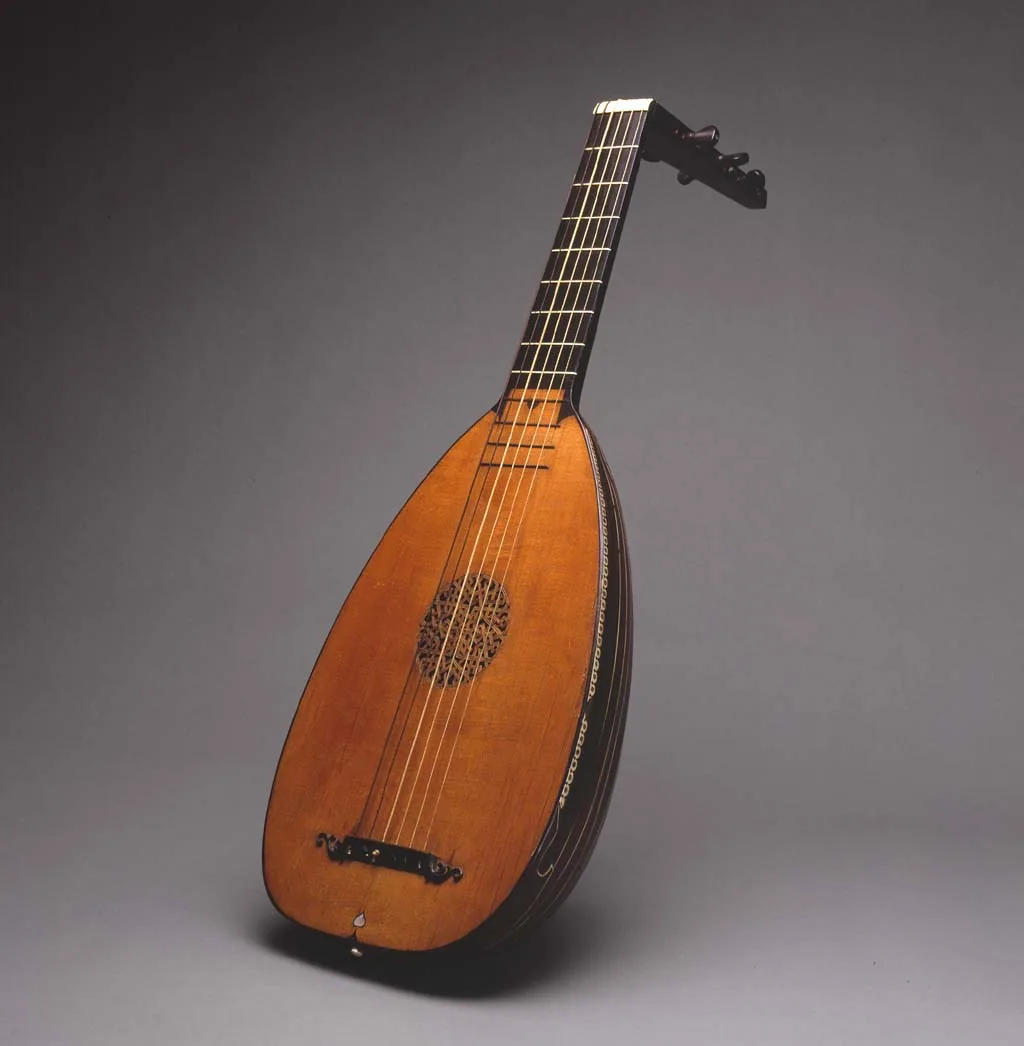
Definition. The târ is a plucked-string lute with a long neck and a double-heart-shaped body. Its voice comes partly from a membrane that colors its timbre and brings out the overtones.
Etymology and vocabulary. The word تار (târ) means “string” in Persian. A player is often called a tarzen to specify that they play the târ.
Its outline is easy to recognize: a figure-eight body, narrow neck and fingerboard designed for melody rather than harmony. This design favors melodic lines and ornaments.
Musically, the târ has a major place in Persian classical music. It structures the study of the radif and often serves as a reference for notes and melodic expression.
| Feature | Description | Identifying detail |
|---|---|---|
| Body | Double-heart shape in wood with a membrane | Figure-eight shape |
| Neck | Long, with a fretted fingerboard | Suited to melodic playing |
| Strings | Metal courses, bright timbre | Used in the radif |
Next. The same name occurs in other traditions; the Azerbaijani tar is a related instrument that differs in construction and playing style. We will examine it in the next section.
The Azerbaijani tar: distinctive features and modern developments
The transformation of the tar led by Sadigjan changed both its construction and the way it was held.
In the nineteenth century, Mirza Sadig Asad oglu (Sadigjan) increased the Azerbaijani tar’s string count from 6 to 11. This change gave it greater harmonic richness and better projection on stage.
The change in playing position was equally important. In some traditions, the instrument rested on the knee. After the reform, holding it against the chest became common. This position raises the body and changes the player’s movements.
- Effect on the right hand: the attack and path of the plectrum changed, allowing more vigorous playing.
- Effect on the left hand: positions became easier to reach, facilitating rapid ornaments.
The tar holds a central place in Azerbaijani mugham, often in a trio with the kamancha and gaval. UNESCO’s recognition (mugham in 2003; tar making and performance in 2012) confirms that these traditions continue to be passed on.
| Feature | Azerbaijani | Persian |
|---|---|---|
| Century of reform | Nineteenth century (Sadigjan) | Separate developments |
| Strings | 11 (after the increase) | 6 in the classical version |
| Playing position | Against the chest (on stage) | On the knee (traditionally) |
| Notable material | Metal strings may be used | Courses and membrane |
For background and technical sources, consult these resources on mugham.
Anatomy of the târ: parts, materials and instrument-making vocabulary
The structure of the târ can be explored by sight and touch alike. Each part has a specific acoustic function. Here is a guide to identifying the body, soundboard, neck, attachment points and movable components.
Mulberry-wood body and double figure-eight shape
The body is carved from a block of mulberry wood, hollowed out and then glued back together. Its figure-eight shape, described as a “double heart,” affects resonance and projection.
Pericardium membrane and bridge area
The thin soundboard made from pericardium (ox or calf) colors the timbre and increases responsiveness. This membrane makes the area around the bridge especially delicate.
The bone bridge rests on the membrane and is held in place by a cord. An overly forceful plectrum stroke can damage this junction.
Neck, fingerboard and bone reinforcements
The neck is often made of walnut. The fingerboard has two strips of bone that protect the areas where the strings make contact and sharpen the attack.
Tuning pegs, cords and string attachments
The tuning pegs are used to tune the instrument. Some strings pass through cords before reaching the pegs, a detail with practical and acoustic effects.
Movable gut frets
The frets are movable, tied-on gut frets (about 25). They allow players to adjust intervals to the modes and their own musical preferences.
Târ strings: courses, metal and registers
The strings shape the târ’s sound even before the fingerboard and bridge come into play.
Playing in courses means that two strings are tuned in unison or to very similar pitches. They give the sound more body and help it project consistently. The plectrum then strikes a pair, producing a more pronounced attack and longer resonance.
The main material is metal (steel or plated copper). It gives a firm attack and pronounced brightness, and supports fast plectrum techniques.
The drone is a thick, low string that provides an aural reference. It supports the mode and forms a foundation for the melody, especially in the mugham repertoire.
The historical development of the strings runs from a five-string târ to the standard six-string Persian model (with the addition attributed to Darvish Khan). Today’s Azerbaijani tar has 11 strings, extending its registers without changing its melodic role.
This string arrangement explains both the possible effects and the practical limits of the instrument’s range. The following sections examine its playing techniques and range.
| Type | Arrangement | Sound |
|---|---|---|
| Persian | 6 strings in 3 courses (steel/copper) | Bright attack, fuller sound from the courses |
| Historical | 5 to 6 strings (later addition) | Extended low register |
| Modern Azerbaijani | 11 strings, including a thick drone string | More tonal colors and support in the low register |
Playing the târ: right hand, left hand and techniques
The movement that shapes the târ’s sound begins with the grip on the plectrum and the motion of the wrist. A small metal plectrum (brass or bronze) is common; bone and ebonite versions also exist. It is often wrapped in wax to steady the grip.
It is held between the thumb and index finger. The right hand uses the wrist to combine speed and precision. Techniques include ustmizrab and altmizrab and their variations.
The left hand must remain agile: it produces rapid ornaments and changes of position. Tiny pitch adjustments are essential because modal music favors the melodic line over strummed chords.
Techniques and effects
Playing techniques include:
- Glissando (surushdurma barmag) — an expressive slide between notes;
- Vibration (dartma sim) — tiny oscillations that color a note;
- Alternating strokes and rapid trills that add rhythmic agility;
- Khum — a resonant sound produced by pressing the instrument against the chest.
How movement produces sound: metal strings + membrane + plectrum = crisp articulation. This combination favors rapid patterns (such as chaharmezrab) and clear notes.
To hear and recognize these movements, look for recordings using the terms ustmizrab, altmizrab, surushdurma barmag, dartma sim and khum.
Range, notation and sound characteristics of the târ
To understand the târ’s pitch range, we first need a concrete span of notes. Its range is usually about 2.5 octaves, from C2 to G4. Music for it is commonly written in the treble clef, making it easier for musicians trained in Western notation to read.
Approximate range and how to read it
By “range,” we mean the span actually used in concerts or teaching, rather than the theoretical maximum. This reference point helps compare the târ with other long-necked instruments and anticipate how its low and high registers are used.
Sound color from the membrane and strings
A thin membrane combined with metal strings produces sounds that are both crisp and bright. The attack is clear and the projection strong; the resonance has a distinctive texture that makes each note recognizable.
To recognize a târ by ear, listen for its brightness and presence. A setâr will sound softer and less powerful. Bridge adjustment and string choice greatly affect tuning and dynamic response.
| Attribute | Reference point | Effect |
|---|---|---|
| Range | C2 to G4 (about 2.5 octaves) | Melodic and modal span |
| Notation | Treble clef | Makes reading easier |
| Sound color | Membrane and metal strings | Crisp attack and sharp resonance |
Next: range and notation can vary between traditions and sources; the following section compares these choices with the setâr.
The setâr: a small Persian lute with a gentle timbre
Small in size but rich in nuance, the setâr embodies an aesthetic of delicacy. Its voice is more intimate and less powerful than the târ’s, while offering a wide expressive range.
Origins and strings: the word setâr originally means “three strings,” but the modern instrument often has four. The fourth, added by Mushtaq Ali Shah, is known as the Mushtaq string. This addition extends the register without changing the instrument’s melodic nature.
Shape, neck and frets
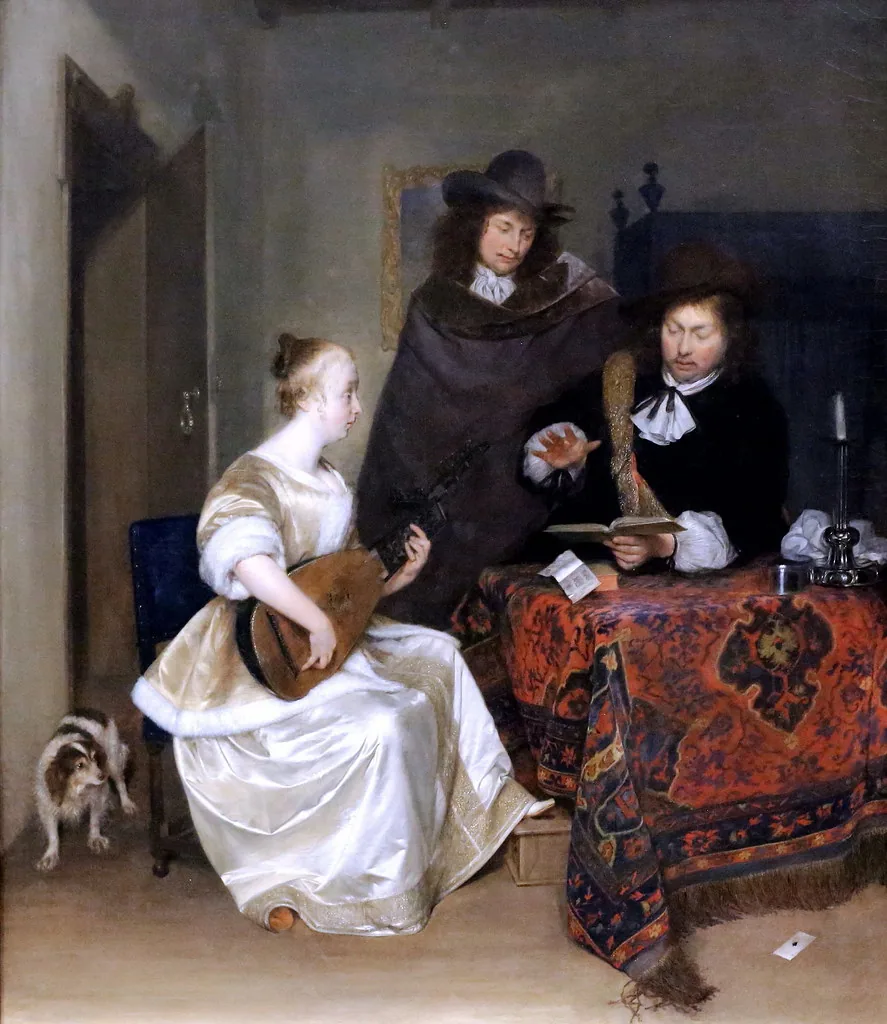
The body is pear-shaped, and a long neck makes slides and ornaments easier. The movable frets are tied on with gut; their number generally varies from 22 to 28 depending on the maker.
Technique and materials
It is played with the long fingernail of the index finger, producing a melodic line enriched by a slight background drone. Common woods include walnut and mulberry, while four tuning pegs provide stable tuning.
To explore the setâr’s place in the tradition further, consult this guide to the traditional setâr.
Setâr: sizes, models and their effect on sound
A setâr’s size directly affects its voice and the player’s comfort. The dimensions of its body, fingerboard and neck determine its timbre and ease of playing.
Typical dimensions. The body generally measures between 22 and 30 cm. Fingerboard length ranges from 40 to 48 cm, and its width is about 3 to 3.5 cm.
These figures help when comparing a listing or an instrument in a shop. A larger body provides more bass and presence. A smaller body favors higher sounds and projects differently.
Fingerboard width and length: left-hand comfort
A longer fingerboard makes slides and distant positions easier. A narrower one favors rapid left-hand ornaments. Length and width together affect how the neck is held and how freely the fingers move.
Hashemi and Kamaliyan models
Hashemi: small body → higher sound, better suited to intimate solo or chamber playing.
Kamaliyan: large body → more bass, roundness and projection, useful on stage or for accompaniment.
“The choice of model depends as much on the repertoire as on the shape of the player’s hand.”
How to choose: a beginner seeks comfort and clarity; an experienced musician chooses the desired timbre. The shape of the body (pear-shaped or rounded) changes its acoustic behavior, which leads us to the barbat/oud.
| Attribute | Typical measurement | Effect |
|---|---|---|
| Body | 22 to 30 cm | Lower or higher tones |
| Fingerboard length | 40 to 48 cm | Slides, positions |
| Fingerboard width | 3 to 3.5 cm | Left-hand comfort |
Barbat and oud: the Iranian lute with a rounded body
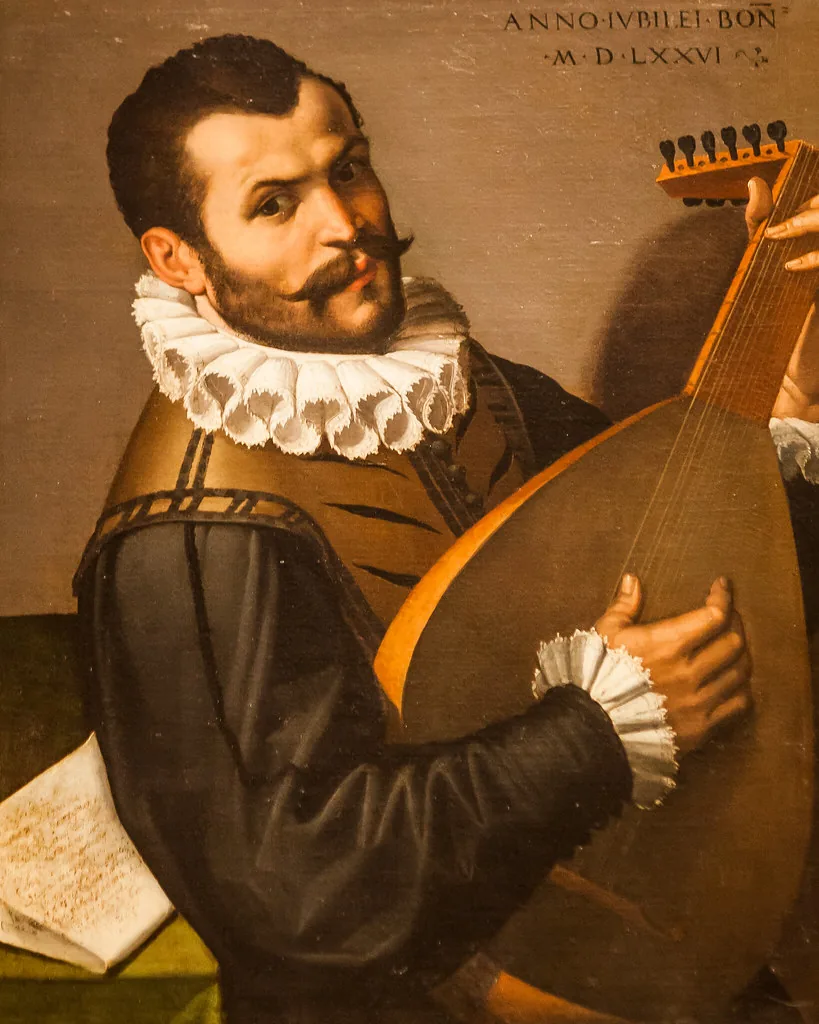
The barbat/oud stands out for its rounded body and full voice. It has a warmer sound than long-necked instruments such as the târ and setâr.
Name and origin: in Persian, it is called the barbat; in Arabic and international usage, it is the oud. These two names help identify the instrument in catalogs or scores.
Paired strings: most examples have strings grouped in courses. Ten strings in five pairs are common, giving the sound a sense of fullness.
Playing these courses affects tuning and fingering. The pairs strengthen resonance and harmonic density.
Range and role: its range is generally about two octaves. It can provide accompaniment and sometimes carry the melody.
Compared with the târ, its rounded body offers longer resonance, greater warmth and more depth. The oud/barbat therefore often provides harmonic support in ensembles.
| Attribute | Reference point | Sound |
|---|---|---|
| Shape | Rounded body | Warmth, sustained resonance |
| Stringing | Usually 10 strings (5 pairs) | Density and richness from the courses |
| Pitch range | About 2 octaves | Accompaniment and melody |
| Comparison | Compared with the târ and setâr | Softer attack, greater depth |
Related instruments to distinguish from Iranian lutes
Search results sometimes mix up distinct instruments; here is how to tell them apart by sight and sound.
Santur
In brief: a trapezoidal instrument with strings struck by two small hammers. It produces rapid attacks and a shimmering timbre.
Role: often highly virtuosic in an ensemble, the santur brightens rhythmic textures.
Qanun
In brief: a trapezoidal soundboard with no neck; its strings are plucked with the fingers. Players frequently wear plectra or other devices on their index fingers.
Remember: it is a plucked-string instrument whose pitch is adjusted using levers and small alterations, unlike playing on a neck.
Kamancheh and qichak
These are string instruments played with a bow. Held vertically, they produce a continuous sound similar to singing.
The method of producing sound (bow, plectrum or hammer) completely changes how timbre and phrasing are perceived.
- Visual clue: a bow → kamancheh/qichak.
- Small hammers → santur.
- No neck and a trapezoidal shape → qanun.
Search tip: if you are looking for a târ, search for târ, setâr or barbat rather than these other types of instrument.
Historical context and regional spread of Iranian lutes
Long-necked chordophones spread beyond borders, from the Caucasus to Central Asia.
Regional presence
These instruments are found in Iran, Azerbaijan, Kurdistan, Georgia and Armenia. They also appear in Turkey, Uzbekistan and Tajikistan.
Local variations: construction, string count and playing position change with traditions and repertoires.
The Qajar era and modernization
In the nineteenth century, the Qajar era helped shape classical practice. Changes in technique and teaching emerged at this time.
The most striking transformation concerned the Azerbaijani tar: Sadigjan changed its construction and how it was held. Stage technique developed, and projection became a priority.
Performance, schools and standards
Modernization took the form of orchestras, schools and teaching methods. These changes established standards for strings, playing position and virtuosity.
In short: this history helps explain why today’s choices—string materials, number of courses and playing positions—form a living heritage.
| Era | Development | Result |
|---|---|---|
| Qajar (nineteenth century) | Reforms (including Sadigjan’s) | Standardization, stage performance |
| Twentieth and twenty-first centuries | Schools and orchestras | Continuity of styles |
Cultural role, repertoires and transmission
The târ’s place in musical life goes beyond solo performance: it features in ceremonies, concerts and learning.
Mugham trios and contemporary stages
A listening guide: in mugham, the trio—tar, kamancha and gaval—has clearly divided roles.
The tar carries the main melody, the kamancha answers it like a second voice, and the gaval keeps the pulse. Together, they often accompany a singer.
On contemporary stages, these groups appear alongside orchestras, jazz musicians and even operas inspired by traditional repertoire. The tradition remains alive and open to the world.
Teaching, manuals and schools
Transmission became institutionalized in the twentieth century. The Assaf Zeynalli Music College was operating in Baku by 1935.
The first notable manual was written by Said Rustamov. The national orchestra founded in 1931 by Uzeyir Hajibeyli and Muslim Magomayev helped spread the tradition.
In Iran, the târ plays a key role in publishing the radif; this codification influences students’ exercises, positions and playing.
| Function | Example | Impact |
|---|---|---|
| Ceremony and concert | Mugham trio | Accompanies singing |
| Education | College, manuals | Standardization of training time |
| Contemporary stage | Orchestra and jazz | Renewal of the repertoire |
“The exchange between tradition and innovation keeps repertoires alive and enriches the notes played.”
A short cross-instrument glossary for describing an Iranian lute
Before any technical description, let us establish simple terms that can be used repeatedly. This short glossary helps you write clear instrument profiles and compare models.
Body, soundbox, base, heart, soundboard and membrane
Body / soundbox / base: these terms refer to the resonating structure. The târ’s double-heart body uses a thin membrane; the setâr has a solid-wood soundboard.
Soundboard / membrane: the membrane colors the timbre; a wooden soundboard gives a gentler voice.
Neck, fingerboard, frets, tuning pegs and bridge
Neck: the part held by the left hand; the fingerboard carries the movable frets. The tuning pegs adjust string tension; the bridge transfers vibrations to the soundboard.
Strings, courses, drone, range and notes
Strings / string: specify their number, their arrangement in courses and whether there is a drone. An example arrangement is “6 strings in 3 courses, with a low drone.”
Range / notes: give the range in octaves and reference notes (for example, C2 to G4).
Right hand, left hand, index finger, fingering and playing style
Right hand / left hand: describe the movement: plectrum held between thumb and index finger, attack or legato. Specify the fingering and fingers involved to describe the playing style (ornaments, glissandi and trills).
| Term | Brief definition | Concrete example |
|---|---|---|
| Body / base | Resonating structure | Double-heart shape and membrane (târ) |
| Neck / fingerboard | Area used for fingering | Walnut neck and bone strips |
| Strings / courses | String arrangement | 6 strings in 3 courses, with a drone |
Conclusion
Let us finish with a practical summary of how to examine shape, stringing and playing technique. ,
Remember a simple method: consider the name and its variants, the body’s shape, the type of strings, the presence of a membrane and the hand’s playing style.
Three instruments stand apart by their sound: the târ (double-heart body, membrane, plectrum), the setâr (pear-shaped body, four strings, played with a fingernail) and the barbat/oud (rounded body, paired courses).
An essential distinction: plucked strings differ from struck strings (santur) and bowed strings (kamancheh). The short glossary above can help you listen, describe or shop with greater confidence.
Finally, the traditions remain alive: reforms, schools and heritage recognition show how these instruments endure across time and the world of music.