
A practical guide to choosing material, gauge and setup for your instrument and playing style.
Why this choice matters: tone, perceived intonation, attack and comfort all change with the strings. Strings also affect tuning stability and the instrument’s response.
In this article, we cover the essentials: stringing configuration (courses, chanterelle, wound basses and core), materials including Nylgut, tension and final mechanical checks.
A starting point: if you want stability and easy maintenance, choose synthetic strings; if you want a strongly organic tone, gut remains a good option. Wear also depends on skin acidity, perspiration and contact points at the nut and bridge.
For resources to help you make an informed choice, consult Paganino and a useful comparison guide from Quatuor Antares.
Understanding lute strings: courses, chanterelle and their effect on tone
The number and arrangement of string groups account for much of an instrument’s sound.
A course is a group of two, sometimes three, strings played together. The high chanterelle is often a single string.
Double courses and the chanterelle: why configuration matters
Doubling a string increases perceived volume and fullness. Courses give the sound more body and add harmonics.
The single chanterelle demands precision. It offers clarity but may sound delicate if it is not balanced with the basses.
From Renaissance to Baroque: number of courses and their demands
A Renaissance lute often has 6 to 8 courses, while a Baroque lute may have as many as 13, with more bass courses.
The more bass courses there are, the more important string construction (core and winding) and consistent tension become.
Harmonic richness, timbre and volume
Configuration affects harmonic richness and timbre, which may sound more woody or more brilliant. Perceived volume depends on the balance between the chanterelle and the basses.
Some metal-wound bass strings provide the required mass per unit length while remaining compatible with a historical sound.
| Characteristic | Renaissance | Baroque |
|---|---|---|
| Typical courses | 6 to 8 | 9 to 13 |
| Bass register | Limited | More extensive and demanding |
| Tuning stability | Less critical | Critical for ensemble playing |
| Choice of materials | Often light strings | Wound basses may be used |
Practical tip: identify your instrument’s number of courses and reference tuning before buying strings. Do you play alone or in an ensemble? Your playing needs should guide the stringing setup.
Choosing lute strings: nylon, gut, tension and durability
The material directly affects tonal texture and performance.
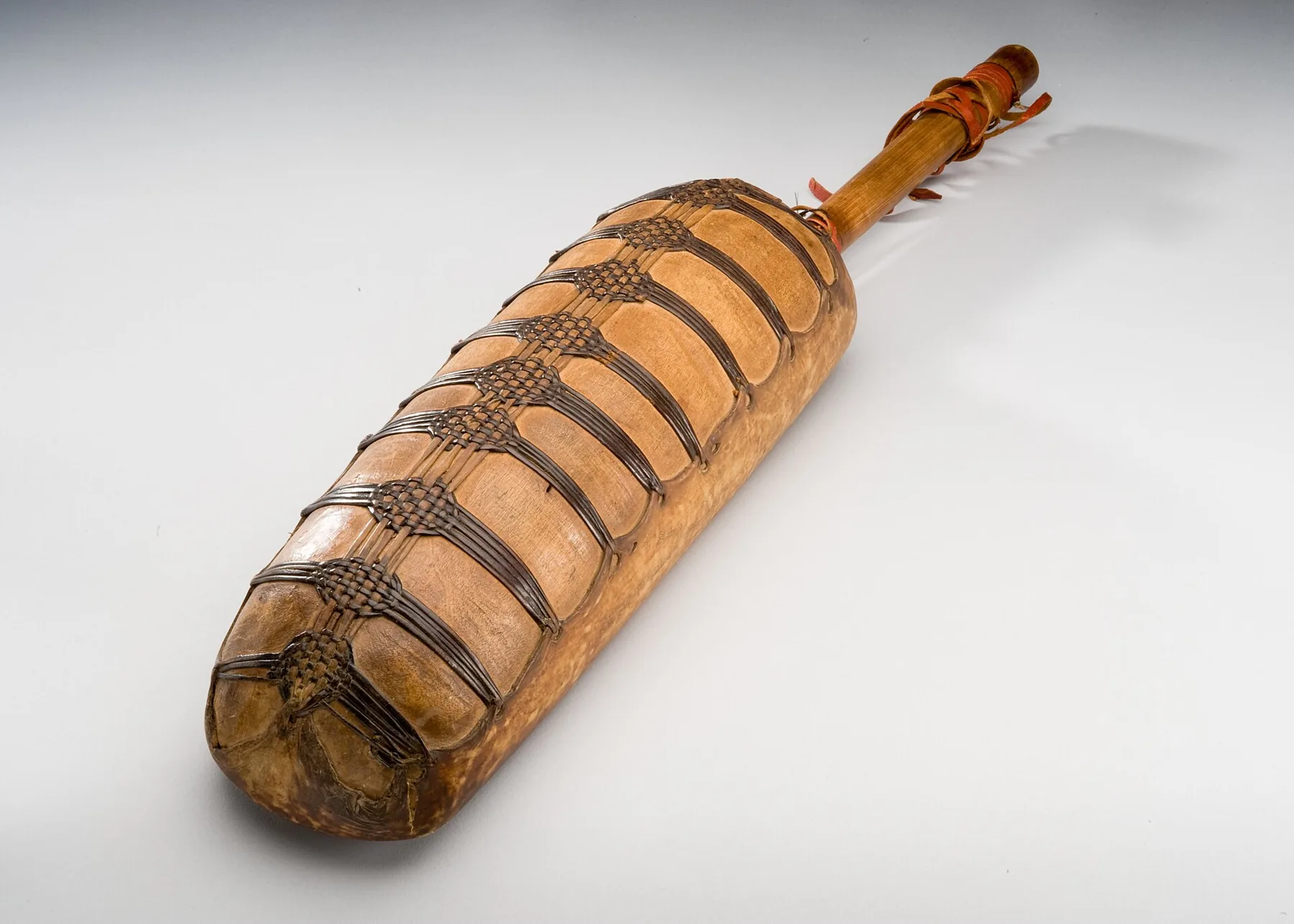
Gut strings: warmth and authenticity, but everyday fragility
Gut produces a warm, richly textured sound. It appeals to players of historical repertoire and to those making recordings where tonal colour comes first.
On the other hand, it is sensitive to humidity and rapid changes in conditions. Depending on use, some chanterelles may break after a single evening.
Nylon and Nylgut: stability, comfort and compromise
Synthetic strings, particularly Aquila’s Nylgut strings, offer consistent tuning stability.
They are easier to maintain and give a consistent response. They may lose a little warmth, but many players accept that trade-off for the convenience.
Wound basses, cores and materials
The core plays a central role: it determines flexibility and intonation.
Wound basses use metal or steel winding to increase mass per unit length. The winding affects diameter, attack and harmonic sustain.
| Criterion | Gut | Synthetic (Nylgut/nylon) |
|---|---|---|
| Tone | Warm and rich | Balanced, less organic |
| Stability | Moderate; sensitive to changing conditions | High and consistent |
| Maintenance | Requires time and care | Simple and undemanding |
| Cost | High | Moderate |
Real-world wear: acidic skin, varnish and contact points
Perspiration, skin acidity and friction at the bridge accelerate string wear.
Varnish does not always protect against chemical damage. Check contact points and replace strings when their sound deteriorates.
When gut is worth it
Choose gut if you want a historical tone and a highly expressive response, and are comfortable with its cost and upkeep.
For everyday playing or frequent concerts, Nylgut remains a robust, popular alternative.
Practical reference for wound string sets
Tension and gauges: balancing comfort, intonation and projection
The right combination of tension and gauge can profoundly change both the sound and the feel of playing.
Light, normal and high tension: musical effects
Light: a gentler attack, often a warmer sound and easier playing for the fingers. It encourages expression but reduces volume.
Normal: a balance between dynamic range and tuning stability. It suits beginners and players returning after a break.
High: more projection and attack, but it requires greater effort and may increase the risk of breakage.
Gauges, projection and technical demands
A thicker string has greater mass, volume and sustain. A thinner gauge makes articulation and fast playing easier.
If your left hand is sensitive, choose an option that is easier on your fingers without sacrificing intonation.
Practical precautions and a trial method
- Check the scale length and intended tuning before fitting the strings.
- Bring the strings up to tension gradually and allow for their initial stretching.
- Change only one variable at a time: record tuning stability and sound quality over several days.
Practical guide to choosing according to your playing style and experience.
Match your choice to your instrument and playing needs
Every instrument needs a setup suited to its shape, history and use. First identify its type and role: solo playing, continuo or ensemble playing.
Instrument type and role
Solo playing: prioritise balance and a quick response for agility and clarity.
Continuo: look for stable basses and enough projection to support the harmony.
Ensemble playing: prioritise reliable tuning and an even tone that blends with other musicians.

Playing techniques and adjustments
Fingerstyle polyphony calls for materials that bring out clear harmonics. Rhythmic playing needs more attack and sometimes greater tension for more volume.
Consider how often you rehearse: frequent use calls for stability, while occasional concerts leave more room to experiment.
Compatibility and points to check
Check the condition of the nut, the quality of its grooves and the string angles at the bridge. Sharp edges hasten wear and may even cut a string.
On older instruments, one-piece bridges, often made of ebony, may not suit some materials. Check how the strings sit and where they rub before fitting a complete set.
| Component | Risk | Tip |
|---|---|---|
| One-piece bridge | Friction and breakage | Polish the grooves or add protection |
| Nut in poor condition | Poor intonation and wear | Have a luthier adjust or replace it |
| Intended use | Stringing unsuited to the instrument’s role | Start with a recommended stringing specification |
A careful approach: fit the chanterelle first, then the basses. Test one string at a time and note its effect on tuning. For tried-and-tested options, consult recommended accessories and string sets.
Budget, brands and availability in France: buying with confidence
Before ordering, it helps to know how prices vary by material and brand. This lets you set a budget and avoid impulse purchases.

Set prices: a guide to the variations
In France, a standard guitar string set generally costs between €6 and €40. Prices vary with the material, bass winding and quality control.
Gut sets often cost more because of how they are made. Synthetic strings are generally more affordable and stable.
Brands and makers for beginners and experienced players
To get started, consider D’Addario, Aquila, Augustine and Savarez. For premium options, La Bella, Hannabach and Philippe Bosset offer proven quality and finishing.
Fender is relevant for some modern models. Always check compatibility with your instrument before buying.
Complete sets or individual strings: building a sensible combination
Ordering a complete set is convenient. Buying individual strings lets you tailor the chanterelle, courses and wound basses to the response you want.
Where to invest: if your budget is limited, prioritise the chanterelle and wound basses. These strings have the greatest effect on stability and timbre.
| Point | Guide | Tip |
|---|---|---|
| Average price | €6 to €40 per set | Compare retailers |
| Replacement frequency | Every 3 to 6 months | Clean regularly |
| Availability | Specialist shops and suppliers | Example: Wolfgang |
If in doubt, order from a specialist shop. Staff can advise you based on your instrument and how much you play.
Conclusion
The decision rests on three things: the tone you want, playing comfort and mechanical compatibility.
For tonal richness, the historical choice is gut; it brings genuine warmth but needs more care. For stability and a consistent playing experience, a synthetic option such as nylon or Nylgut makes sense.
Keep tension in mind: it affects volume, articulation and comfort. Change one element at a time and note tuning stability, response and tonal colour.
Practical advice: check the nut and bridge, watch for the effects of acidic skin on strings, and choose dependable strings for better durability.