
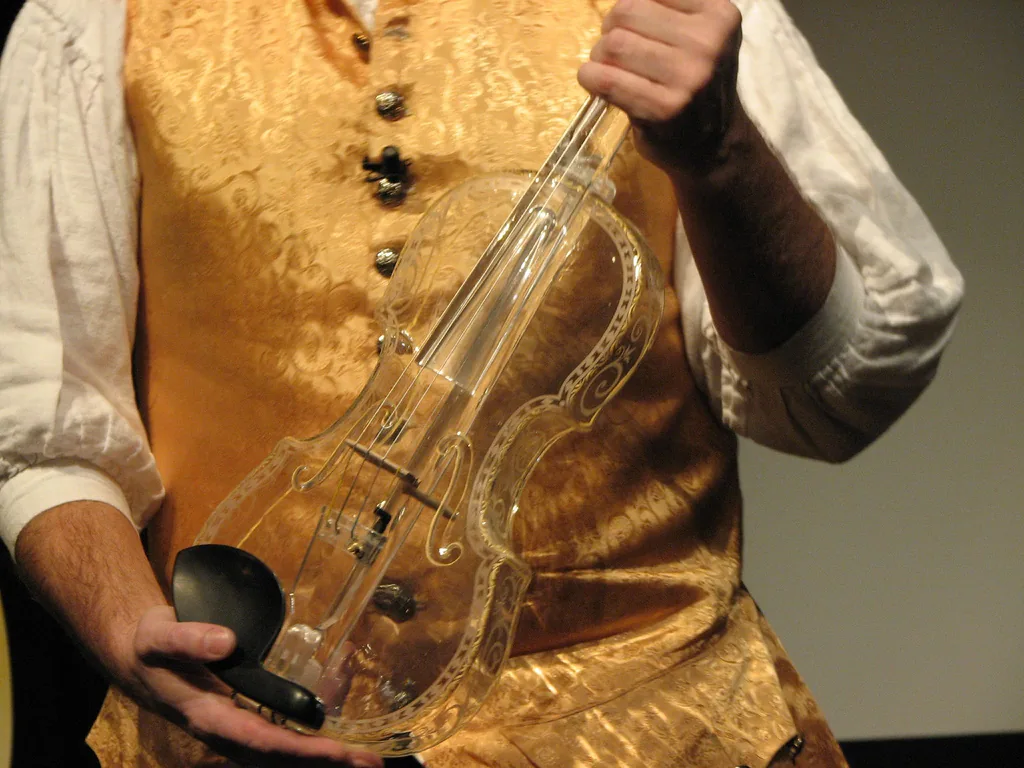
The Romani violin plays a crucial role in traditional music. It gives the music a distinctive and captivating sound. Romani musicians are known for their skill and their ability to create complex melodies. Their Romani music shows the importance of the violin in their musical culture.
In Romani music, the violin is a principal instrument that gives the music emotional depth and expressiveness. Composers such as Joseph Haydn and Johannes Brahms drew inspiration from these sounds. They created works that highlight the influence of the Romani violin on classical music.
The influence of the violin in Romani music runs deep. Composers such as Franz Liszt and Maurice Ravel drew inspiration from Romani music. Their works underscore the importance of traditional music in the classical repertoire. The Romani violin is therefore an essential part of Romani music, captivating listeners with its beauty and complexity.
The historical roots of the violin in Romani tradition
Romani culture and Romani roots are closely connected to the violin. Romani communities adopted the violin centuries ago. They developed distinctive techniques and a tradition of passing down music orally.
This tradition helped preserve traditional melodies and rhythms, which have influenced classical and contemporary music.
Romani musicians developed particular playing styles, using elaborate ornaments and variations. Oral transmission played a crucial role in preserving this tradition.
Romani music festivals, such as the Django Reinhardt Festival, have helped popularize this music and introduce new talent.
The adoption of the violin by Romani communities
The adoption of the violin by Romani communities marked the beginning of a period of musical creativity. Romani musicians blended classical and folk music to create a distinctive style. Its melodies and rhythms reflect their Romani roots.
The development of distinctive playing techniques
Romani musicians’ playing techniques feature elaborate ornaments and variations. Oral transmission helped preserve these techniques. Musicians also incorporated elements of classical and folk music.
Passing down musical knowledge orally
Oral transmission played a crucial role in preserving the Romani musical tradition. Musicians passed their knowledge to later generations, preserving traditional melodies and rhythms.
The distinctive technique of Romani violin playing
Romani violin playing is known for its performers’ impressive instrumental virtuosity. Musicians play complex and captivating melodies. They use particular techniques, such as double stops and trills, to produce a distinctive sound.
This musical heritage is precious. It continues to inspire musicians across generations.
Online sources discuss the instrumental virtuosity of Romani musicians and the distinctive violin techniques they have developed. To learn more about the musical heritage of Romani music, follow this link.
Here are some features of Romani violin technique:
- Use of double stops and trills
- Creation of complex and captivating melodies
- Use of distinctive playing techniques to produce a unique sound
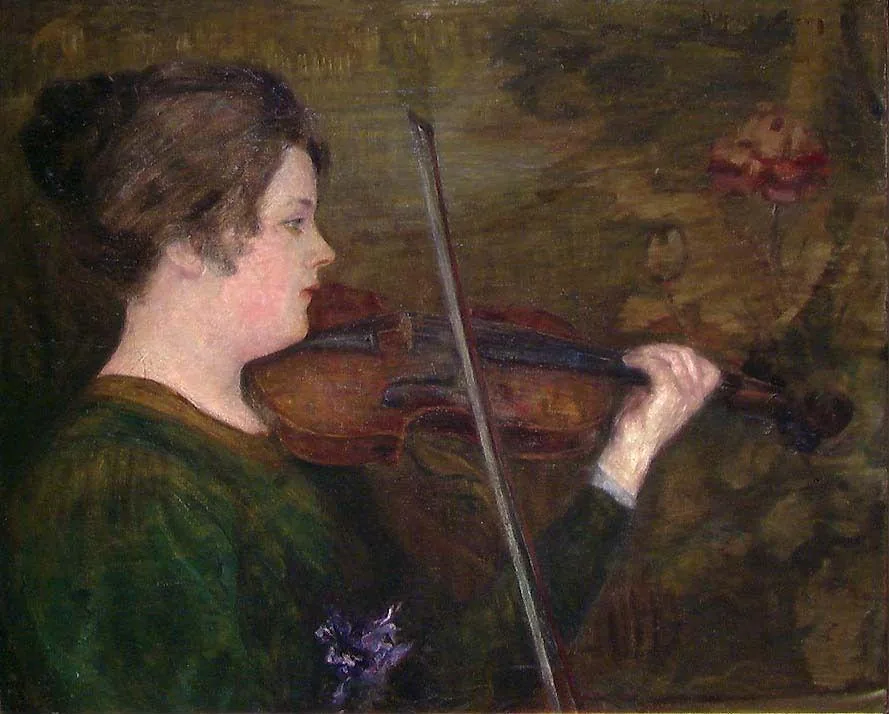
Romani violin technique is essential to the musical heritage of Romani music. It continues to inspire musicians today.
| Feature | Description |
|---|---|
| Use of double stops | A playing technique in which two strings are sounded at once |
| Creation of complex melodies | The ability to create complex and captivating melodies |
Emotional expression through the violin in Romani music
Romani music is distinguished by its strong emotional expression, carried by the violin’s evocative sounds. Romani musicians use the violin to share their emotions and tell stories, forging a strong connection with their audiences.
The violin’s characteristic ornamentation, including trills, adds emotional depth to the melodies. Improvisation is another defining feature of the genre. It allows musicians to create spontaneous, singular moments.
You can learn more about Romani music and its emotional expression online.
Here are some key aspects of emotional expression in Romani music:
- The violin’s characteristic ornamentation
- Improvisation as a defining feature
- The relationship between the violin and the human voice
Emotional expression through the violin gives Romani music a distinctive character. It arises from the violin’s evocative sounds and the deep emotions of Romani musicians.
| Elements | Description |
|---|---|
| Characteristic ornamentation | Adds emotional depth to the melodies |
| Improvisation | Allows musicians to create unique, spontaneous moments |
| Relationship between the violin and the voice | Creates a deep connection between the musician and the audience |
The influence of Romani violin playing on classical and contemporary music
Romani music has greatly influenced classical music. Composers such as Johannes Brahms and Joseph Haydn drew inspiration from its sounds. Brahms’s 21 Hungarian Dances, for example, include traditional pieces and well-known Romani music tunes.
Romani music alternates between fast and slow rhythms. It uses particular intervals. This influence on classical music can be heard in works by composers such as Franz Liszt and Maurice Ravel. To learn more, visit Radio France.
Contemporary music still draws on Romani tradition. Artists such as Viktoria Mullova incorporate elements of Romani music into their compositions. Her album “The Peasant Girl” reflects her Ukrainian roots and the influence of Romani music on her work.
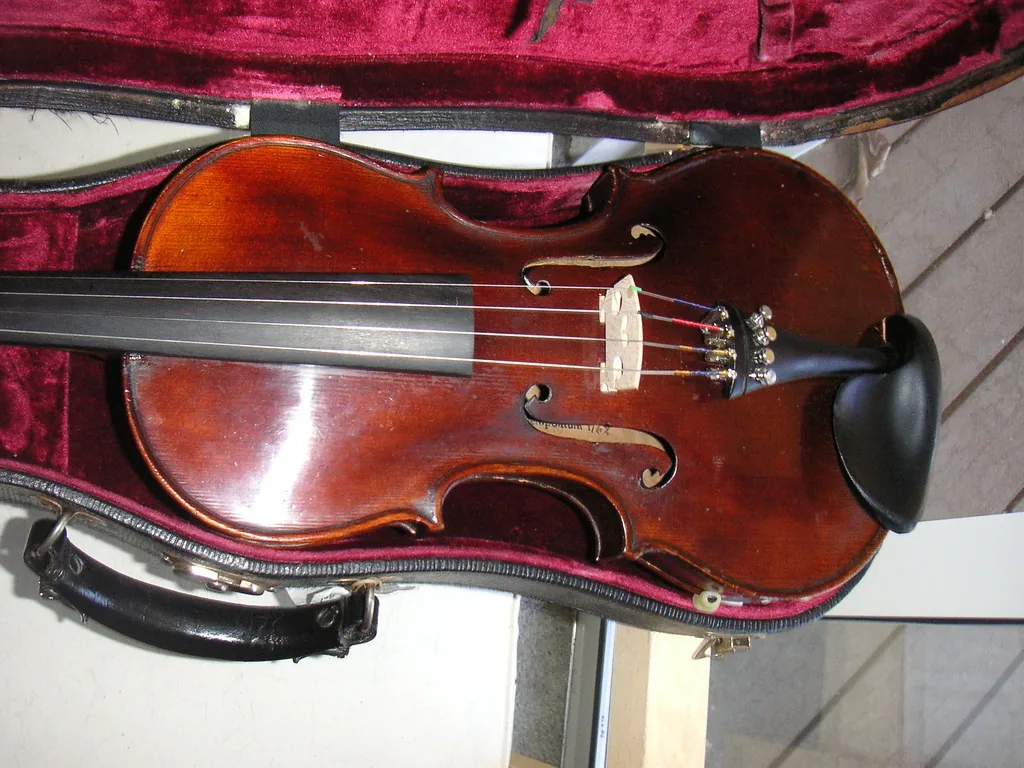
The distinctive characteristics of Romani music have influenced new compositions. Contemporary artists continue to draw on its richness and diversity to create distinctive, captivating works.
Conclusion: the violin’s lasting legacy in Romani musical culture
The Romani violin continues to inspire musicians. Its rich, diverse music touches listeners’ hearts. Romani communities have preserved this musical knowledge and share it with the world.
As shown by the evolution of bowed string instruments, the Romani violin has adapted to many styles, from classical music and jazz to rock. This development shows its influence and versatility in musical culture.