
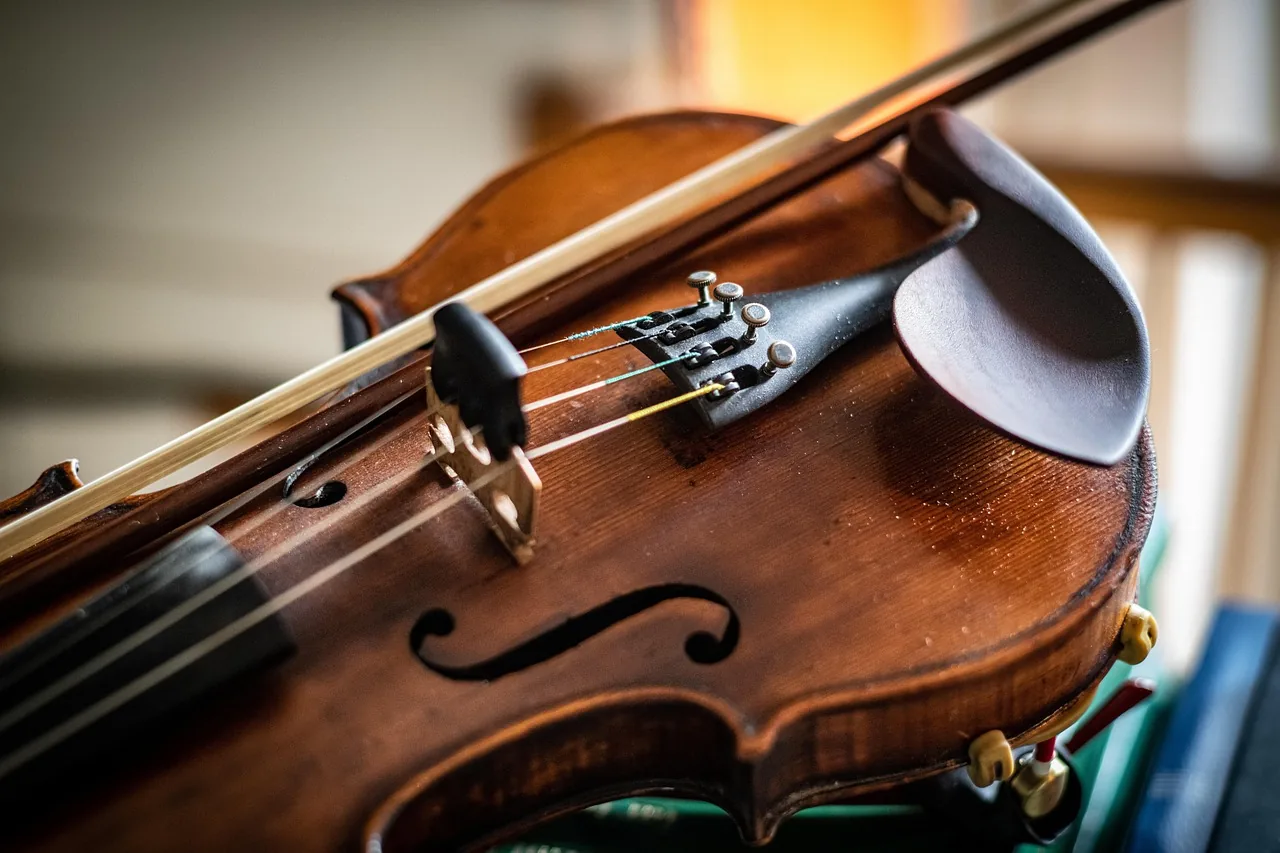
The violin is a musical instrument with a rich, expressive sound. Its history begins in the 16th century. It has become a key part of classical music.
The first true violin was created in 1564. Catherine de’ Medici commissioned it for her son Charles IX. This event marks the beginning of the violin’s history. Great violin makers such as Andrea Amati and Antonio Stradivari contributed to its development. Their work made the violin a high-quality instrument.
Understanding the violin’s history helps us appreciate its beauty and complexity. Its evolution continues to fascinate musicians and classical music lovers. We will explore its history, from its origins to its importance in classical music.
The violin’s early origins
The violin we know today comes from 16th-century Italy. However, early stringed instruments have a longer history. They originated in Eastern cultures.
The first bowed stringed instruments appeared in the 10th century. They were influenced by Eastern cultures.
Early stringed instruments, such as the rebab, played an important role. The rebab is an ancestor of the violin. The Italian word “violino” means “small viola.” The violin was first mentioned in the 1520s.
Andrea Amati’s workshop in Cremona made violins whose shape remained unchanged for a century.
Visit the Quatuor Antares website for more information. Eastern cultures greatly influenced the violin. Their legacy is still present in classical music today.
| Instrument | Period | Influence |
|---|---|---|
| Rebab | 10th century | Eastern cultures |
| Violin | 16th century | Italy |
The golden age of Italian violin makers
Italian violin makers, such as the Amati family, played an essential role in the violin’s evolution. They made high-quality instruments. These violins became benchmarks in violin making.
The golden age of Italian violin makers was marked by innovations. They created exceptional instruments. Their creations influenced how violins were made and improved their quality.
Italian violin makers, such as Stradivari and Guarneri, created instruments of remarkable quality. Their work influenced violin making. Their legacy still inspires violin makers today. You can learn more about the violin’s history and the Italian violin makers who contributed to its evolution.
Here are some of the most famous Italian violin makers:
* The Amati family
* Stradivari
* Guarneri
* Niccolò Paganini
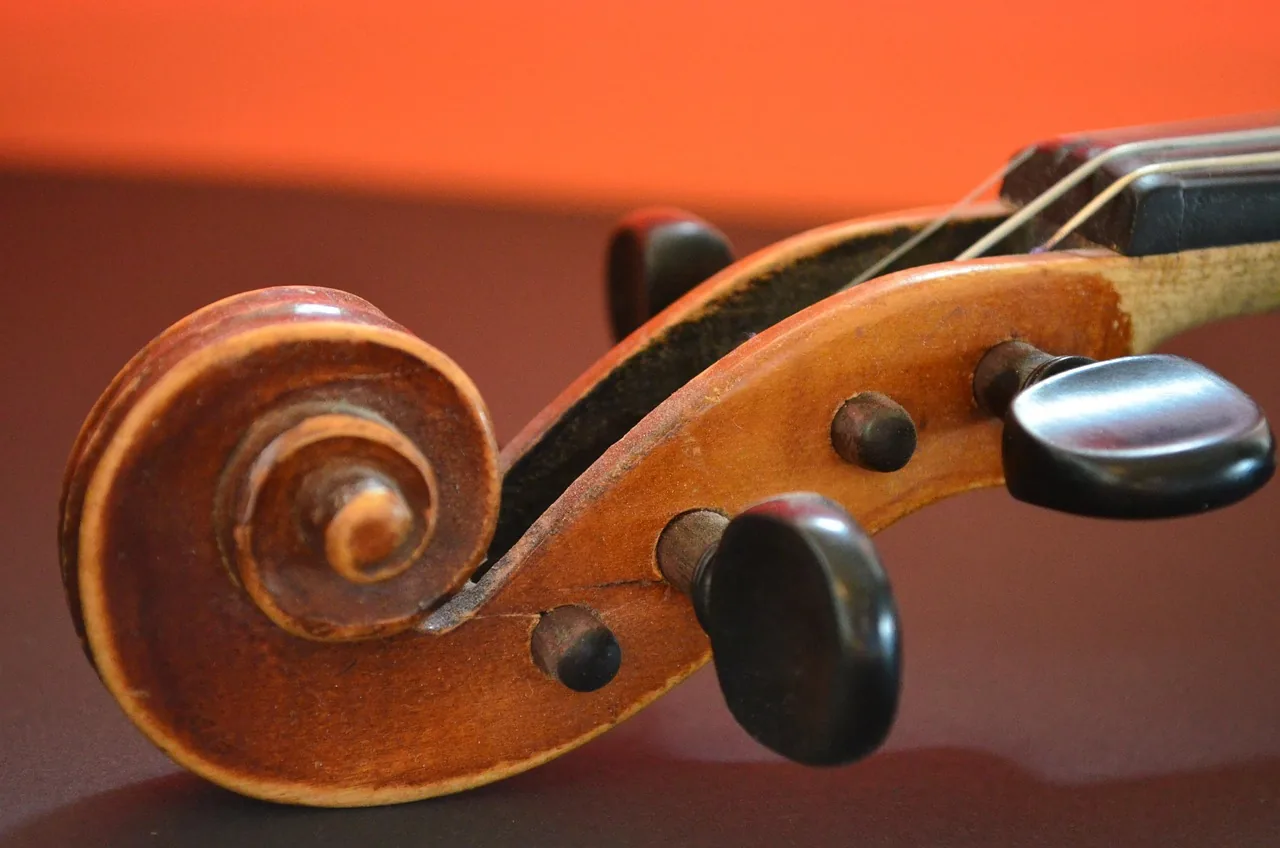
Their contribution to violin making was immense. Their work still inspires musicians and violin makers today. The golden age of Italian violin makers was a period of great creativity. It left a lasting legacy in the world of music.
| Violin maker | Years active | Contribution |
|---|---|---|
| Andrea Amati | 1546-1611 | Creation of the modern violin’s shape |
| Stradivari | 1644-1737 | Creation of high-quality instruments |
| Guarneri | 1698-1744 | Creation of instruments with a unique sound |
The violin’s evolution through the centuries: from the Renaissance to the Baroque
The violin changed considerably during the Renaissance and the Baroque period. Technical innovations changed its sound and shape. Italian violin makers such as Stradivari made high-quality violins.
Technical innovations made the violin a versatile instrument. Violin makers experimented with new shapes and materials. In doing so, they created unique violins. For more information, visit specialist websites about the evolution of the violin.
Here are some key points about the violin’s evolution during the Renaissance and the Baroque period:
* Italian violin makers developed new violin-making techniques.
* The violin became popular in court music and churches.
* Composers began writing works specifically for the violin, showcasing its technical and expressive abilities.
During the Baroque period, the violin continued to evolve. Technical innovations made it possible to produce more complex sounds. Composers such as Vivaldi and Paganini wrote works that showcased the violin.
The great violin makers and their innovations
The master violin makers transformed the violin. Stradivari is a renowned name, known for his exceptional violins. He used fine woods and new techniques to create famous instruments.
Guarneri and Amati also made important contributions. Their innovations helped improve stringed instruments. Techniques passed down from generation to generation made it possible to create quality instruments. For more information, visit Guillaume Kessler’s website.
Stradivari and his secrets
Stradivari worked from 1644 to 1737. His violins are highly sought after and command high prices. He used fine woods and innovative techniques to create his instruments.
The other Italian masters
Guarneri and Amati also made important contributions. Their innovations helped improve stringed instruments. Traditional techniques made it possible to create quality instruments. For more information, visit the Quatuor Antares website.
The modern violin and its adaptations
The modern violin has evolved through adaptations that respond to musicians’ needs and technological advances. Violin makers have used new materials, particularly to make the carbon-fiber modern violin. This improves sound quality and durability.
These adaptations have opened up the violin to various musical styles. From classical to contemporary music, there is a modern violin for every style. Musicians can find an instrument that suits their playing and tastes.
Here are some modern violins and their characteristics:
- Carbon-fiber violin: lightweight and durable
- Electric violin: ideal for amplified performances
- Violin with synthetic strings: offers a distinctive, lasting sound
In short, the modern violin and its adaptations have changed music. Technological advances and innovations in violin making offer endless possibilities. Musicians can express their creativity and talent in a unique way.

Conclusion: the violin’s timeless legacy in music
The violin has had a profound impact on the history of music. It has endured through the centuries and influenced many styles. From Baroque concertos to the Romantic era, the violin has continued to evolve.
It has captivated audiences with its distinctive sound. From the works of Vivaldi to those of Mozart, the violin has always touched people’s hearts.
The violin is not limited to classical music. It is also essential to folk music. From Bob Dylan to the Dubliners, it has enriched popular culture.
Today, the violin continues to fascinate. It adapts to modern tastes while retaining its essence. The violin is a symbol of music’s evolution and a testament to the beauty of human expression.
FAQ
What are the violin’s early origins?
What are the main milestones in the violin’s evolution through the centuries?
Who were the great violin makers, and what were their innovations?
How did the violin develop into its modern form?
Source links
- https://www.loc.gov/loc/lcib/9902/stradivari.html
- https://artsandculture.google.com/story/two-centuries-of-cremonese-violinmaking-museo-del-violino/xQVxAhr8seMBKg?hl=en
- https://www.wunderkammern.fr/en/classical-violin-concertos-that-shaped-music-history/
- https://www.infolk60.fr/en/the-history-of-folk-music-from-its-origins-to-today/