
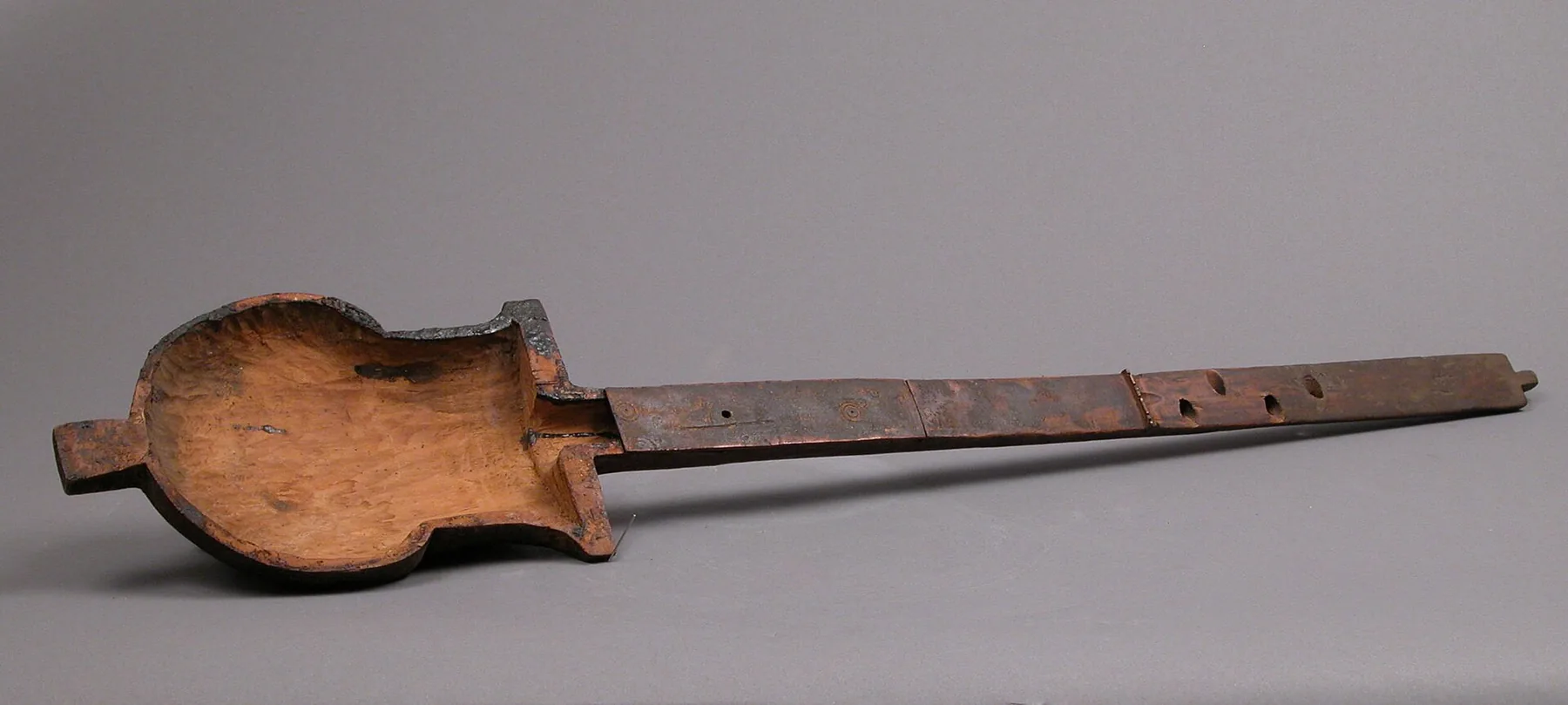
An ancient instrument that is still alive today. The lute has endured for centuries, with a warm tone and exceptional harmonic richness. It still attracts early music enthusiasts and curious guitarists.
This introduction sets the scene: what the lute is, why it appeals to players, and how its tone differs from that of modern instruments. The main aim is to help readers choose their first instrument and then build a solid foundation for learning.
Steady progress rather than instant mastery. The guide follows a simple path: discover the instrument, choose a model, learn the theory and technique, and establish a practice routine.
To go further, explore the Serdoura method, which offers a structured learning path, exercises, and a repertoire that includes pieces by John Dowland.
If you want to learn the lute, this guide will accompany you step by step, with practical advice to keep learning rewarding and sustainable.
Understanding the lute and getting started as a beginner
Understanding the shape and tone of this instrument helps you begin with confidence.
An ancient instrument with a distinctive tone, from the Renaissance to the Baroque
The rounded body, neck, and courses create a gentle attack and rich overtones. These features make the lute’s sound instantly recognizable.
Polyphony and dances were prominent during the Renaissance. Baroque music added ornamentation and more demanding basso continuo parts.
Why most beginners choose a Renaissance lute
In France, around 70% of learners choose a Renaissance model. It is more comfortable to handle.
The Renaissance lute offers a broad, accessible repertoire, often on instruments with 6 or 7 courses. It is a straightforward starting point that still leaves the door open to Baroque music.
Realistic goals, enjoyment, and progress at your own pace
Set yourself one small weekly goal: coordinating your hands, keeping the instrument in tune, or reading tablature. Keep one or two pieces you enjoy playing alongside a few exercises.
Progress takes attentive listening and regular practice, but it is highly rewarding. Be patient and realistic as you learn.
“Confident learning begins with simple goals and regular practice.”
Choosing the right lute to begin with in France
A suitable first instrument helps you progress faster.
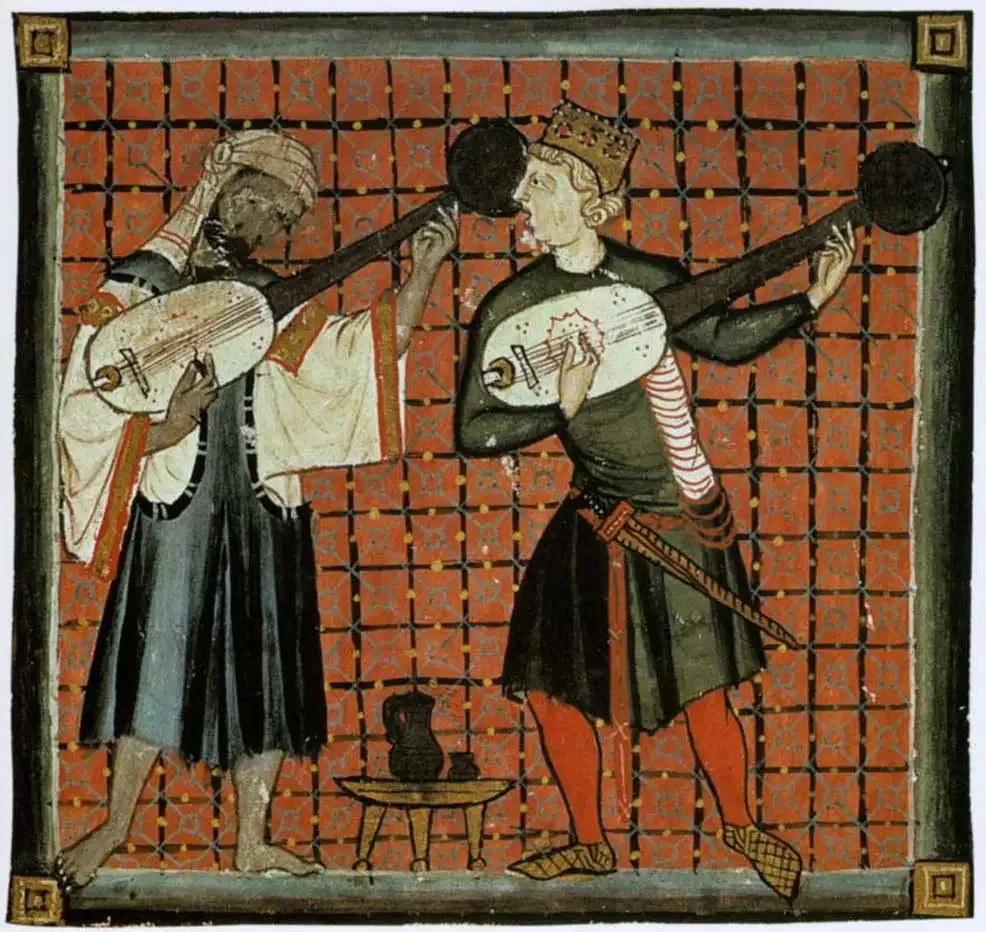
Renaissance or Baroque: the Renaissance model remains the usual starting point. It has a wider neck, 6 or 7 courses (12 to 14 strings), and is simpler to play. A Baroque lute often has more strings, a narrower neck, and requires more demanding technique.
Number of courses and their effect on playing
“Courses” are pairs of strings that sound the same note. Starting with a 6- or 7-course model keeps complexity down and makes stable tuning easier.
Essential buying criteria
- Weight: aim for less than 800 g.
- Neck: choose a shape that suits the size of your hands.
- Stability: check that the instrument stays in tune for several hours.
- Strings: 12 to 14 are recommended for beginners.
| Criterion | Guideline | Why it matters |
|---|---|---|
| Weight | < 800 g | More comfort during long sessions |
| Number of strings | 12 to 14 | Manageable complexity |
| Budget | €800 to €1,500 | Quality, warranty, and setup |
| Condition (used) | No cracks; pegs in good condition | Helps avoid costly repairs |
Buying in France: a checklist
Consider specialist lute makers (see Stretta Music), shops that let you try instruments, or reputable secondhand platforms.
- Compare two or three models by playing them.
- Listen to the resonance of the body.
- Test how the strings respond to a light attack, then a stronger one.
- Check whether the tuning remains stable after 10 to 20 minutes.
Tip: make a note of comfort and sound, and avoid an impulse purchase without trying the instrument.
Mastering the theoretical basics of the lute
Learning a few rules for reading music and tuning transforms your progress. Theory supports every aspect of practice. Without it, exercises can feel abstract.
Reading tablature: the language of lute playing
Tablature is the main reading tool. Lines represent strings, and numbers indicate frets.
A simple example is to identify the string, fret, and duration. A piece by Robert de Visée can then be read as a rhythmic story rather than a conventional score.
A useful short glossary
- III = third fret
- 0 = open string
- / = upward slide
- X = muted note
Applied music theory and scores
Transposing from modern scores can sometimes make reading clearer. For Baroque repertoire, however, reading historical sources preserves their original character.
Tuning, reference points, and notes
Historical tunings place notes differently from a guitar. Memorize the open strings so you have quick reference points.
Always check the tuning by ear: accurate tuning makes it easier to read music and remember finger positions.
Scales, modes, and rhythm
Start with the scales of G major and D major. They underpin many Renaissance pieces.
Then explore the Dorian and Phrygian modes. Develop a steady pulse by reading tablature slowly: consistency matters more than speed.
An eight-week learning plan
- Weeks 1 and 2: two-octave scales (G and D) and a short study.
- Weeks 3 and 4: Dorian and Phrygian modes and modal exercises.
- Weeks 5 to 8: ornaments (trills and mordents) and their use in a piece.
- At the end of each week: a brief review and practical work on a short study.
“Connecting theory with practice keeps learning grounded.”
This plan anchors theoretical knowledge in practice. It supports gradual, lasting progress on the lute.
The lute: a complete guide to getting started and choosing your instrument
Focused feedback helps you master essential movements faster. A teacher can immediately correct posture, hand placement, and rhythmic mistakes. In France, expect to pay €40 to €60 per hour for a specialist private lesson.
Learning with a teacher
A teacher helps you master tablature, style, and articulation specific to early music. The benefits come quickly: technique corrections, suitable exercises, and ongoing guidance.
Teaching yourself
Self-directed learning offers flexibility, but calls for a rigorous method. Common risks include neglecting tuning, pressing too hard on the strings, placing the hands poorly, and playing at an uneven tempo.
Modern resources
Combine paid platforms (for example, LuteAcademy.com at around €20 per month), videos such as “Luth Facile,” and written methods (P. Ballard). These resources can supplement teaching or partly replace lessons.

| Option | Cost or guideline | Benefits |
|---|---|---|
| Teacher | €40 to €60 per hour | Immediate feedback and personal guidance |
| Platform | About €20 per month | Flexibility and structured progress |
| Books | One-time purchase | A lasting reference with written exercises |
A practical combination
Try one lesson every two weeks, two focused video sessions each week, and a short daily routine. Each lesson should have one technical goal, one musical goal, and a brief written summary.
The best method is one you follow regularly and whose results you assess.
To get started, explore practical online resources for learning to play, and compare their teaching advice with that for other bowed string instruments through specialist lessons.
Playing techniques and regular practice for faster progress
Consistency often matters more than the total time spent practising. A well-organized session keeps you focused and helps you progress.
Posture and hand position
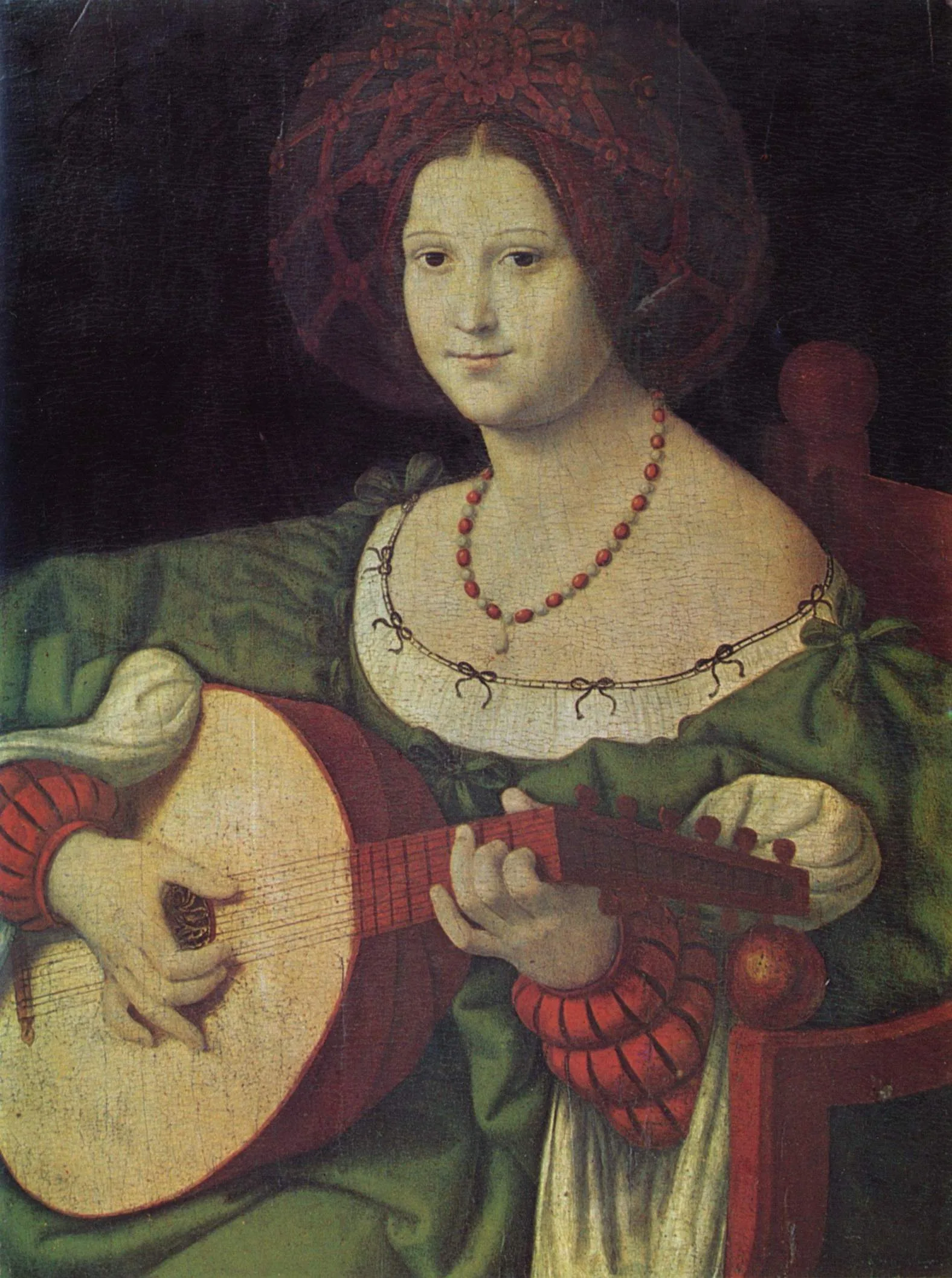
Keep your back straight, your shoulders relaxed, and the instrument slightly tilted. A stable position helps prevent tension in your neck and forearm.
Left hand: use minimal pressure, place your fingers close to the frets, and aim for clear notes rather than force.
Right hand: pluck the strings gently, control the attack, alternate fingerings, and begin with simple ornaments.
A daily routine, minute by minute
A realistic example is five minutes of warm-up, ten minutes of scales, ten minutes of arpeggios, and twenty minutes working on a piece.
Work in cycles of 25 minutes of practice followed by a 5-minute break to maintain concentration.
Practising with a metronome
A metronome steadies your rhythm, prevents unintentional speeding up, and helps you measure progress.
Begin slowly, then raise the tempo by 2 to 4 beats per minute when you can play cleanly.
Basic techniques to make automatic
- Slow arpeggios to improve accuracy.
- Repeated practice of simple chord changes.
- Short patterns to establish finger movements.
Choosing pieces for your level
Choose an easy piece (level 1), then an intermediate piece (level 2). Take each step in turn.
- Listen closely to the theme.
- Read through it phrase by phrase.
- Practise each hand separately, then together.
- Check your tempo with a metronome.
Packington’s Pound is an excellent first historical piece. Use five steps: listen → read through → hands separately → hands together → tempo.
Useful equipment at home and group practice
Essentials include a metronome (an app or dedicated device), an adjustable stand, spare strings, and a soft cloth for care.
Playing in a group develops listening, steadiness, and motivation. Look for amateur ensembles or early music workshops.
To deepen your regular practice and follow a structured method, consult this resource.
Conclusion
To recap, a clear method, regular practice, and enjoyment are essential. Understanding the instrument, choosing a suitable model, learning the basics (tablature, tuning, and scales), and following a routine all help you make visible progress.
Practical advice: aim for 20 to 30 minutes a day, keep a practice log (tunings, exercises, tempos, and pieces in progress), and try an instrument before buying it. In France, a Renaissance model often helps beginners progress faster.
Joining a group or attending workshops strengthens motivation. To go further, consult a method and begin to learn to play the lute. With patience and enjoyment, your musicality will develop quickly.