
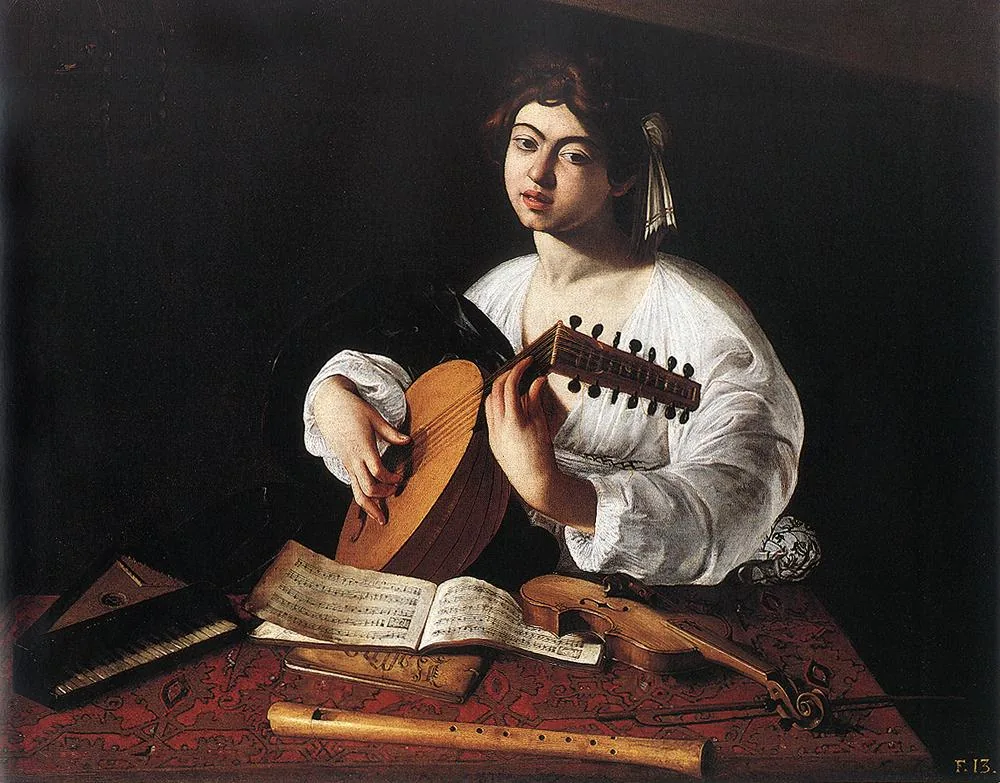
Framing the question: what does this expression mean, and why must we examine objects, images and texts together to answer it? Here, we consider material evidence and depictions to reconstruct a plausible history.
What this guide offers: an account that avoids oversimplification. It brings together archaeological evidence, visual sources and written records while identifying what those sources cannot establish.
The story runs from eastern roots to medieval Europe, then through the Renaissance and the seventeenth century to the instrument’s decline. The ud, or oud, is the most frequently cited ancestor, but clear changes in construction and form occurred, including changes to frets, shapes and uses.
We can date materials and joints, study depictions and examine centres of lute making in Italy and France. The precise sound, exact tunings and some playing techniques, however, remain matters of hypothesis.
Coming up: archaeological sources, routes of transmission, playing techniques, tablature, the Renaissance peak, the French school, the lute family and the instrument’s decline.
What do we mean by an “ancestor of the lute”?
To define the subject, let us start with a few straightforward criteria for classifying instruments. We can identify the physical features of a plucked string instrument and compare early examples with the European lute.
Defining the instrument by its construction
Essential features: a resonant body, a soundboard, a neck and strings arranged in courses. The principal action is plucking, placing it among the plucked string instruments.
Why speak of earlier models rather than a single line of descent?
- Several models can coexist and influence one another without a strict parent-to-descendant relationship.
- The shape of the body and the design of the neck affect both the sound and how the instrument is used.
- The method is to compare materials, joints and images to establish similarities.
“Comparing what we can see and touch helps distinguish genuine relationships from misleading resemblances.”
A simple guide: strings, a resonant body and plucked playing bring these instruments together; frets, the number of courses, playing position and repertoire distinguish them.
The Lute’s Ancestors: What Do Historical and Archaeological Evidence Reveal?
Surviving fragments, medieval depictions and written records are complementary sources for tracing the instrument’s development. Excavations yield evidence of wood species, tool marks and areas of wear that can indicate repairs and use.
Material evidence
Researchers examine dimensions, joints and sanding marks. Wood species offer clues about provenance and durability.
Old repairs reveal makers’ practices and the areas where a hand or plectrum touched the instrument.
Visual and written sources
Illuminated manuscripts, including the Cantigas de Santa Maria, and carved capitals depict outlines and playing postures. These images help trace changes over several centuries.
Accounts and early manuscripts use varied terminology. Tablatures, which appeared in the fifteenth century, record playing actions without explaining everything.
“When materials, images and texts point in the same direction, a hypothesis grows stronger.”
| Type of source | What it shows | Contribution | Limitation |
|---|---|---|---|
| Bone or wood fragments | Material, joints | Construction methods | Cannot reveal the exact sound |
| Images | Posture, outline | Visible changes over time | Artistic stylisation |
| Texts and tablatures | Terminology, positions | Context and playing actions | Sometimes vague descriptions |
Several questions remain open: when did frets appear? How did the body change? What evidence confirms the use of a plectrum? These questions guide the study of this long history.
Eastern roots: the ud or oud as the most frequently cited direct ancestor
Among eastern instruments, the ud or oud often serves as a reference point for tracing the movement of playing and construction techniques.
In brief: the ud has a pear-shaped body and a fretless neck. Depending on local tradition, players use a plectrum or sometimes their fingers. These features help explain why this instrument is often proposed as a plausible ancestor.
Body, strings and playing approach
The rounded body supports a rich sound. The plucked strings serve both melodic and accompanying roles.
Its full shape and plectrum technique influence its tone, which is darker and more percussive than that of a fretted instrument.
Continuities and changes
- Continuity in construction: a rounded body, plucked strings and a versatile musical role.
- A major change: the appearance of frets in Europe altered melodic possibilities. Frets stabilised intervals and made polyphony easier.
- Cultural adaptation: western players and makers changed the instrument to suit their repertoire and playing techniques.
“The movement of techniques explains the instrument’s transformation as much as its geographical spread does.”
The next section examines the routes through Spain, the Mediterranean and trade networks that made these exchanges possible.
How the instrument reached Europe: Al-Andalus, exchange and the Crusades
Over several centuries, Al-Andalus brought together craftspeople, repertoires and artistic traditions. This crossroads connected eastern expertise, Iberian practices and aristocratic demand.
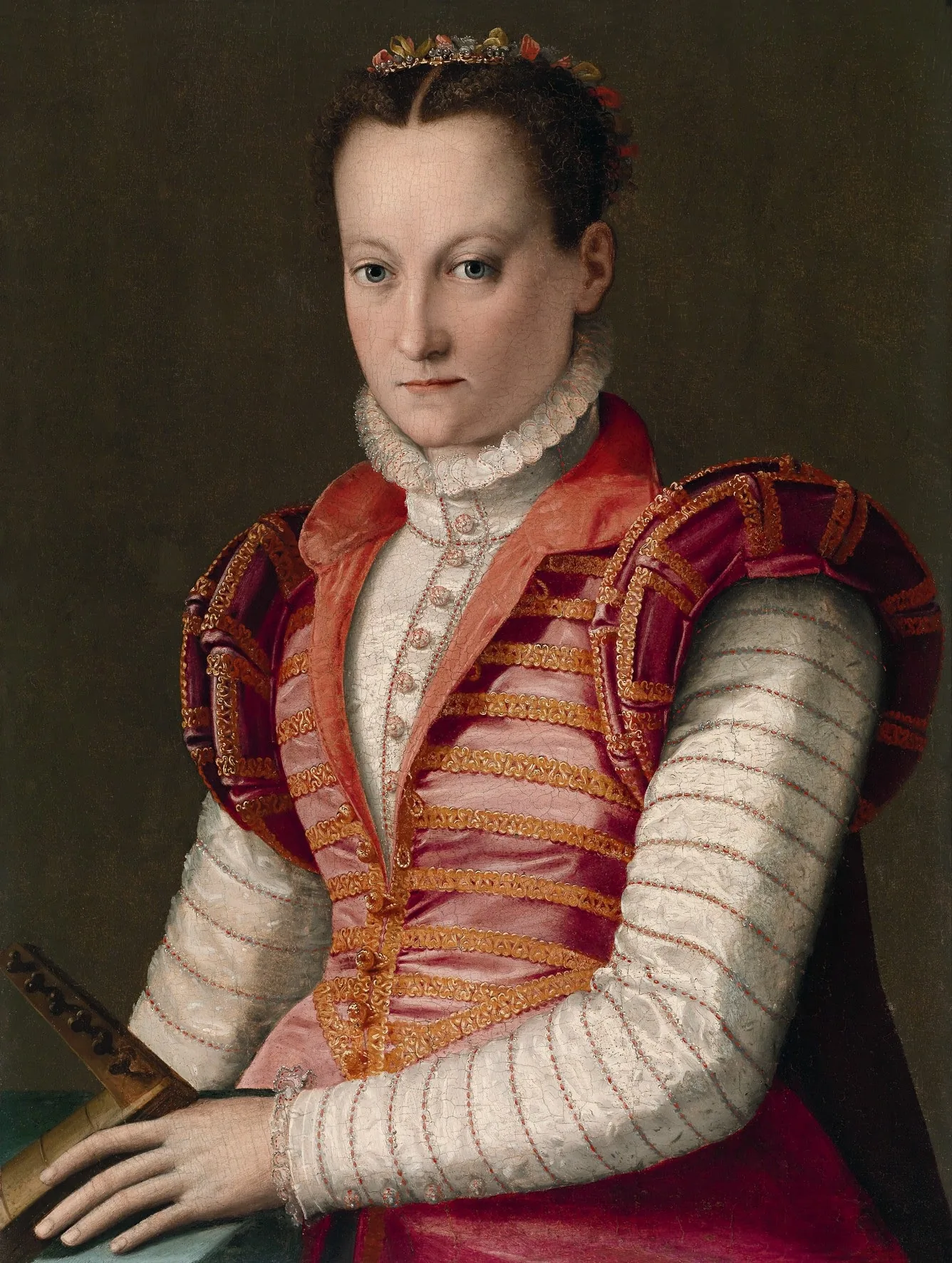
Moorish Spain as a crucial crossroads
Why this region? Andalusian cities brought together music schools, instrument-making workshops and international markets. Manuscripts such as the Cantigas de Santa Maria depict instruments with mixed features in their margins.
Trade routes and travelling craftspeople
The instrument spread through ports, fairs and overland routes. Patrons commissioned new models. Craftspeople travelled and copied shapes and techniques from one another.
Mixed forms in medieval depictions
Images show mixed features: sometimes longer necks and bodies with intermediate proportions. These details suggest adaptations spread over several centuries.
“Resemblances in pictures point to an encounter between practices rather than a simple, linear transmission.”
| Participant | Means of exchange | Effect |
|---|---|---|
| Merchants | Imports, fairs | Rapid spread of instruments |
| Patrons | Commissions, cultural exchange | Adaptation for court use |
| Craftspeople | Travel, apprenticeships | Combining features from different forms |
Over the centuries, these exchanges reached France and then northern Europe. Museum collections preserve physical evidence that helps us understand the different models.
The Middle Ages: adoption, social uses and early repertoires
During the medieval centuries, the instrument moved from the routes travelled by itinerant players into more formal settings, including the court and the town. Its status changed: it appears with both travelling musicians and ensembles employed by noble courts.
Troubadours, entertainers and minstrels
Troubadours and minstrels played an important part in accompanying songs. They doubled the vocal line, marked the pulse and punctuated musical phrases.
The playing served the voice and poetry. Repertoires circulated as secular tunes travelled with musicians, who adapted melodies and words.
A prestigious instrument at court
At court, the instrument became a sign of prestige and refinement. Rulers employed dedicated lutenists for private ceremonies and receptions.
Social advantage: a place at court meant access to patrons, elaborate music and more formalised practices.
Celebrations, banquets and dances
Its use remained lively at secular celebrations, including banquets, weddings and local festivities. The instrument supported melodies at these celebrations.
It gave structure to dances through rhythm and repeated motifs. Such settings encouraged the development of richer musical textures.
“From the road to the drawing room, changing uses foreshadowed the move from single melodic lines to polyphonic textures.”
Gradually, these varied uses broadened the repertoire and prepared the way for more complex forms. Songs remained central, but accompaniment grew more elaborate.
Symbolism and art: musical angels, King David and “heavenly concerts”
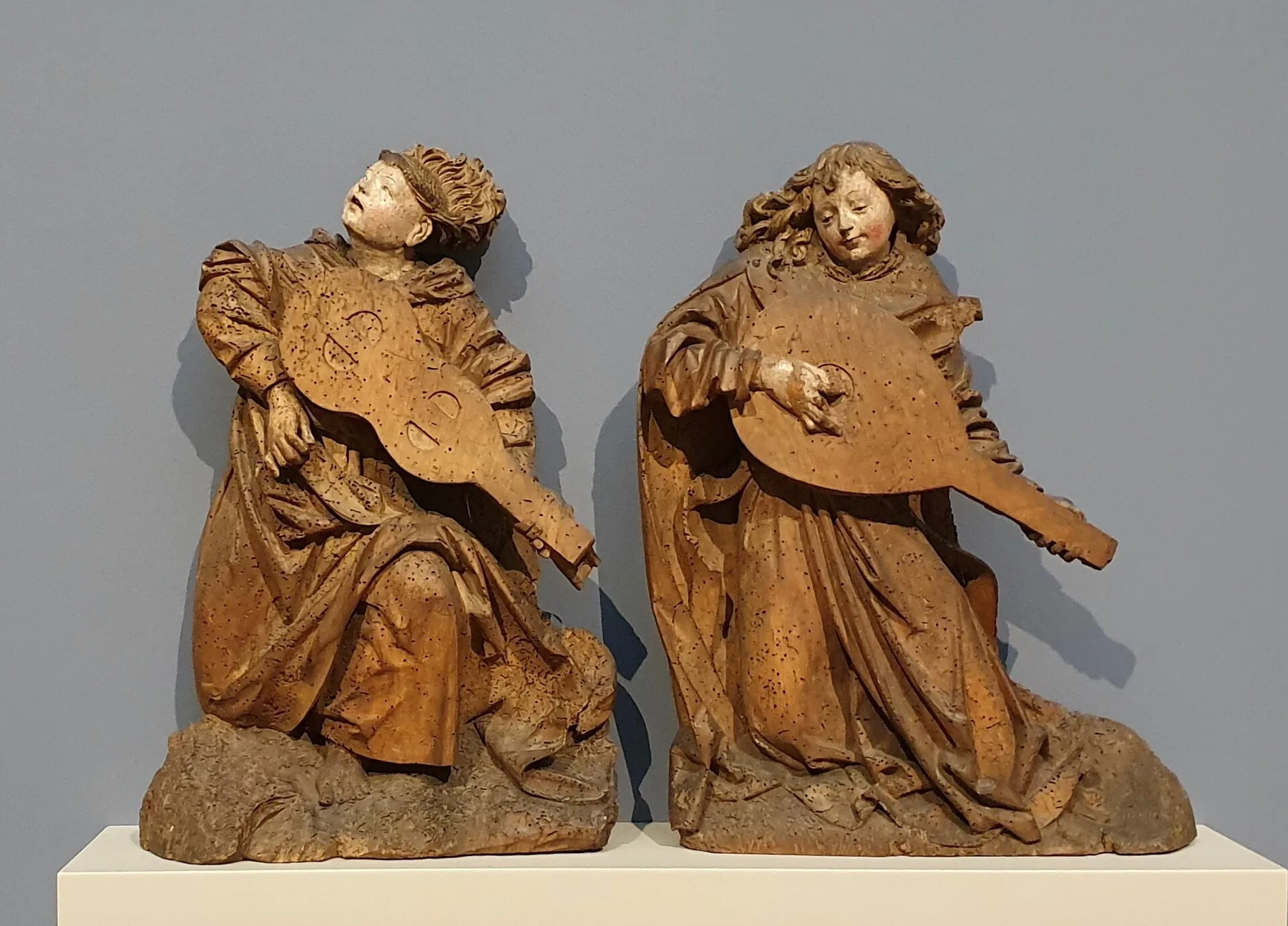
Medieval images often place the lute at the centre of heavenly scenes.
Why this shift? An image can sometimes stand in for an argument: the neck and body become visual signs of harmony. In western art, this instrument came to play a role once held by the lyre in antiquity.
Major motifs
Three themes recur: musical angels, King David in prayer and heavenly gatherings that form “heavenly concerts”.
These scenes present music as a link between the earthly and the divine. Art thus reinforces the instrument’s place in both courtly and sacred culture.
How to read an image
Look at the posture, number of strings, presence of frets and whether a plectrum or fingers are depicted. These details provide clues about construction without recreating the instrument’s actual sound.
“Images preserve an idea as much as they describe an object.”
Bear in mind the potential distortions caused by stylisation, artistic conventions and anachronisms. For a closer examination, consult this study of medieval musical imagery.
Changes in shape: from the body to the soundboard
The instrument’s outline reveals more than an aesthetic preference: it reflects specific acoustic and technical choices.
Rounded body, ribs and resonance
The body consists of ribs joined in sections. This construction creates a light but strong vaulted back.
The rounded shape increases the air volume and supports low harmonics. The maker seeks a balance between strength and resonance.
Soundboard and choice of wood
The soundboard is often made from soft wood, such as spruce or fir. This choice improves the attack and projection.
More flexible wood transmits vibrations more readily. The tone becomes richer and the projection clearer.
Frets: semitones, temperaments and regional practices
A fretted neck was a crucial innovation. It stabilised intervals and made polyphonic playing easier.
Fret placement varied by region and temperament. These differences affected tuning accuracy and harmonic possibilities.
“Form follows use: makers’ choices respond to the repertoire and the demands of accompaniment.”
In short, instrument making connects form and function: the body, soundboard and neck work together. The next section examines other components: strings, pegs and bridge.
Materials and craftsmanship: wood, strings, pegs and expertise
Wood, strings and adjustments turn a constructed object into a musical voice.
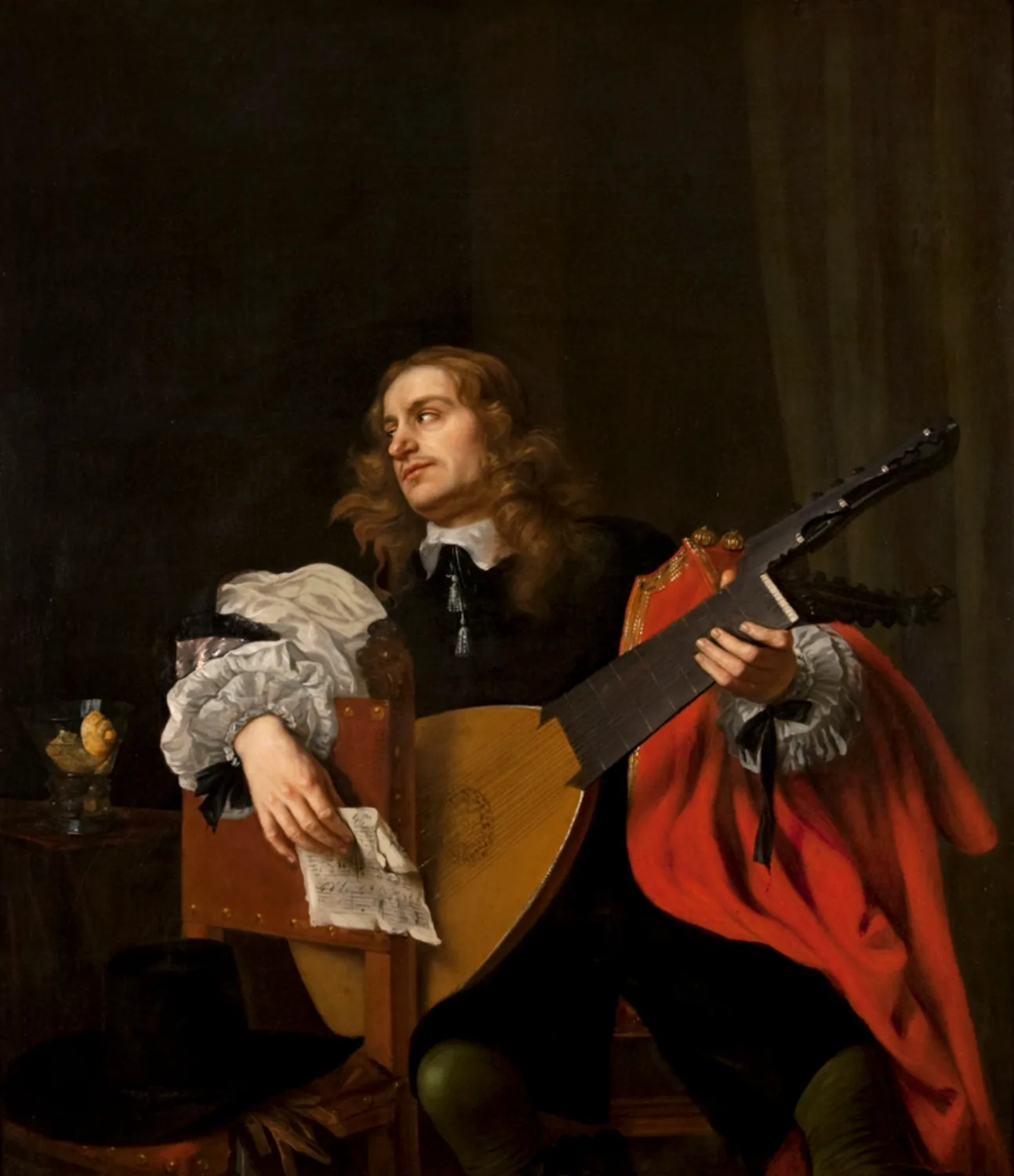
Woods chosen for the soundboard, back and ribs
The soundboard is often made of spruce because it is light and transmits vibrations well. Denser woods are preferred for the back and ribs to provide stability.
Benefit: assigning different roles to these woods helps projection, tuning stability and longevity.
Gut strings and later materials
Historically, strings were made of gut. It gives a gentle attack, moderate resonance and a warm tone.
Modern materials can improve projection and tuning stability, but they also change the tone.
Bridge, pegs and course tension
The bridge transmits vibrations to the soundboard; the pegs adjust the tension of the courses. Their settings determine tuning stability and the instrument’s response to the player’s touch.
Take care: excessive tension weakens the structure, while too little reduces projection.
Workshops, centres and transmission
Lute making expanded in Italy, with Venice among its major centres. Workshops standardised forms and methods, then spread influential models over the centuries.
Light construction and subtle sounds
Light construction allows great expressive sensitivity. It produces delicate subtle sounds rich in nuance, though the instrument remains sensitive to climate and touch.
“Fine craftsmanship calls for careful listening and controlled playing.”
Construction directly affects the playing techniques discussed in the next section, which traces the move from plectrum to fingers. For a broader view of how instruments change, see this account of the violin’s development over the centuries.
Playing techniques: from the medieval plectrum to fingerstyle playing
Playing techniques tell a story in which fingers gradually took the place of the plectrum. In the Middle Ages, the plectrum produced a clear attack that brought out the melody.
Plectrum playing: it gives clarity and a firm attack. Yet it restricts polyphony: sounding several independent voices is difficult. The texture often remains a single melodic line, suited to songs and simple accompaniment.
The transition in the fifteenth century: adopting fingerstyle playing changed what musicians could do. It allowed them to play chords, arpeggios and more independent accompanying lines.
- Medieval emphasis on a single melody: priority went to the melodic line and support for sung voices.
- Change in technique: the right hand, thumb and fingers separated bass notes from the melody.
- Musical consequence: instrumental polyphony became possible, opening the way to a complex solo repertoire.
In practice, the light construction demands precise articulation: a gentle thumb attack, alternating fingers and careful hand placement to protect the instrument. Tablatures, which appeared and spread in the fifteenth century, would record these new techniques and their ornaments.
“Fingerstyle playing made possible what medieval construction had prepared for: rich, nuanced instrumental polyphony.”
For more on changing practices and instruments, see this useful overview of the history and development of string instruments.
Tablature and transmission: reading, writing and learning the lute
Tablature records positions and fingerings rather than pitches on a staff. It guides learners in placing the left hand and sometimes gives information about the right hand. It serves both practical playing and the preservation of repertoire.
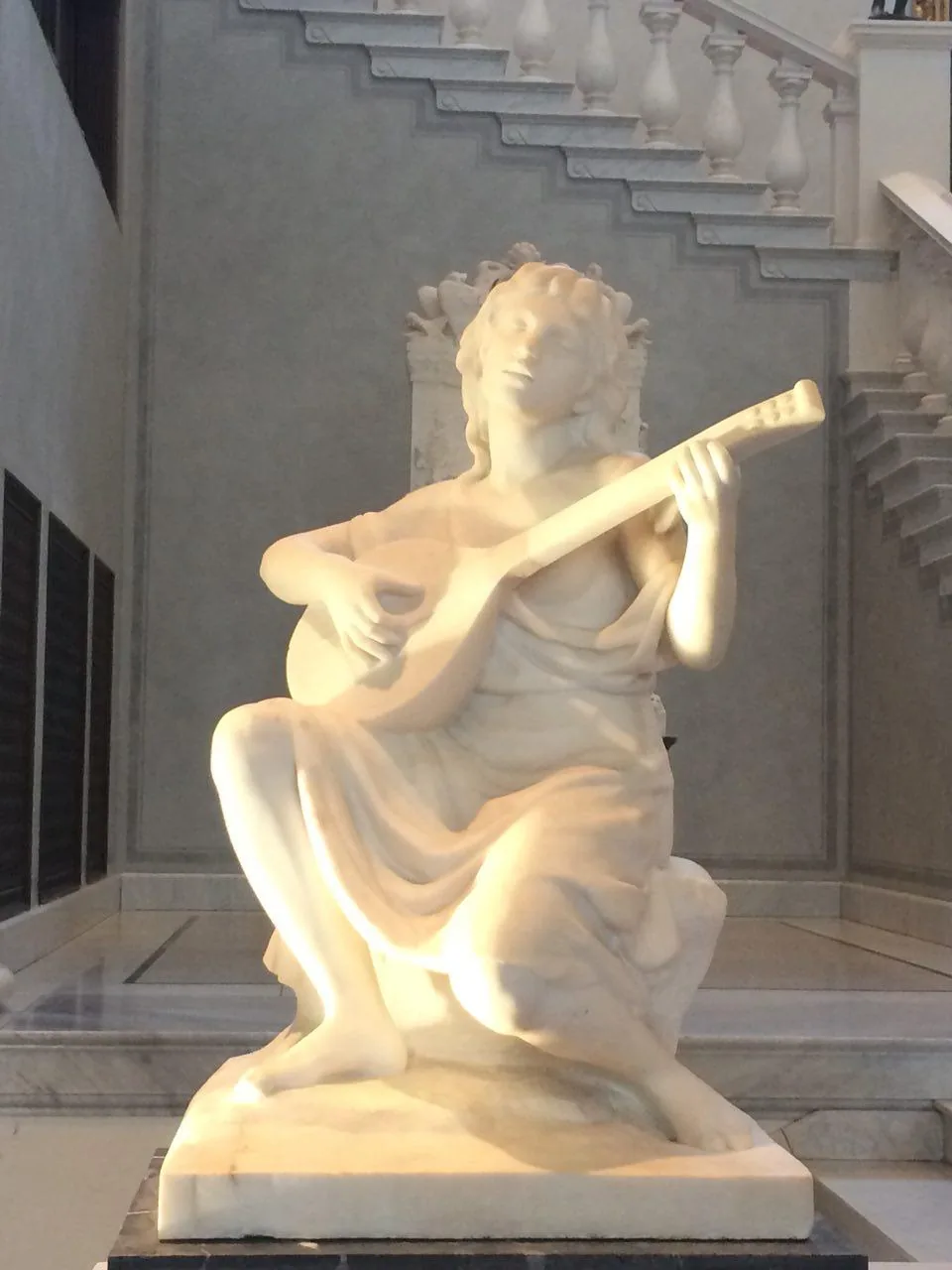
Three notation traditions
There are three systems: Italian, French and German. Each reflects a different approach to learning.
- Italian: often read like a fret diagram, it supports detailed polyphonic writing.
- French: its notation became more closely associated with ornamentation and court styles.
- German: it combines rhythmic markers with practical patterns for accompaniment.
What tablature reveals about playing
Tablature shows fingerings, chord positions and ornament signs. It indicates thumb use, alternating fingers and chord patterns.
For researchers, these notations provide valuable clues about the right hand, points of support and the expressive range of the playing.
From oral tradition to print
Oral transmission preserved local variations and improvisation. Printing fixed models, standardised forms and greatly expanded the circulation of repertoire.
This change encouraged national schools, broadened audiences and accelerated the publication of pieces by the end of the fifteenth century and beyond.
“Tablature makes techniques and practical insights explicit: it changes how people learn and helps works circulate.”
In short, written documentation leads us into the Renaissance, when the instrument gained standing as a solo instrument and printed sources multiplied.
The Renaissance: the lute’s peak and a flourishing solo repertoire
During the Renaissance, the instrument reached a peak in artistic and social life. Patronage, printing and more consistent forms encouraged the production of music. The result was a large repertoire for solo instrument that spread across Europe in the sixteenth century.
Leading genres
Several forms stand out: preludes to prepare the hands, contrapuntal fantasias, virtuosic toccatas, dances for social occasions and transcriptions that brought instrumental parts closer to the voice.
Italy and Germany: musicians and styles
In Italy, Francesco Canova da Milano developed a refined contrapuntal art. In Germany, Hans Judenkünig offered a more instructional style of writing. These traditions show different approaches to counterpoint and tone.
John Dowland and the English tradition
John Dowland is associated with a melancholy sensibility. Pieces such as Flow My Tears and the Lachrimae collection circulated at court. John Dowland influenced continental repertoires through the expressive richness of his work. John Dowland joined poetry with virtuosity.
“The playing gives voice to polyphony through independent lines, broken chords and imitation of singing.”
| Region | Style | Notable musician |
|---|---|---|
| Italy | Elegant counterpoint, fantasias | Francesco da Milano |
| Germany | Instructional approach, straightforward counterpoint | Hans Judenkünig |
| England | Melancholy expression, vocal-inspired suites | John Dowland |
This flowering shows how the instrument became a means of polyphonic expression. The next section considers its role in ensembles and accompaniment.
The lute in ensembles: voice, broken consort and accompaniment
When different sounds come together, the lute’s role changes: it provides a harmonic link and a rhythmic reference.
Playing alongside other instruments
A broken consort combines string and wind instruments, sometimes with percussion. The lute often provides harmonic continuity by arpeggiating broken chords.
It supports a singer by doubling the vocal line or playing a countermelody. Its gentle sound helps balance the other instruments without overpowering them.
From aristocratic drawing room to court celebration: roles and settings
In drawing rooms, playing calls for restraint and subtlety. At court and during celebrations, the lute can serve as either the principal accompanying instrument or a supporting one.
With the arrival of the theorbo and archlute, the bass gained power. This changed the instrument’s place: it might take more of a solo role in one setting and an accompanying role in another.
“The lute can be discreet or provide structure; its art lies in finding that balance.”
| Role | Musical function | Examples of interaction |
|---|---|---|
| Harmonic link | Arpeggios, broken chords | Doubling a voice, filling out chords |
| Rhythmic role | Supporting the pulse | Short responses to winds or voice |
| Intimate texture | Subtle accompaniment | Drawing room, chamber music |
| Structural foundation | Stronger harmonic support | Court celebrations, ensembles with theorbo |
Seventeenth-century France: the French school, airs de cour and court ballet
The seventeenth century established a French school admired for its taste and technical finesse. Collections multiplied, and the richness of the repertoire became a mark of excellence.
A court instrument: dedicated musicians served royal and private courts. European networks spread their practices and encouraged the exchange of ideas and models.
Airs de cour combined poetry, singing and refined accompaniment. Their style favoured characteristic ornaments and playing positions. The more theatrical court ballet called for a more dramatic musical presence.
Ennemond Gaultier, René Mezangeau, François Dufault and Jacques Gallot are among the important figures. They established playing conventions and tastes shared across courts.
Charles Mouton exemplifies a taste for evocative titles, including L’Amant malheureux and La Pluie d’or. His engraved portrait by Gérard Edelinck reflects his standing; it is preserved in a museum devoted to the musical arts.
“Court music shaped a social image in which technical skill became a sign of distinction.”
| Aspect | Function | Notable figures |
|---|---|---|
| Court practice | Vocal accompaniment, elegance | Gaultier, Mezangeau |
| Repertoire | Airs de cour, stage pieces | Dufault, Gallot |
| Social image | Prestige, portraits and engravings | Charles Mouton |
To place this school in a broader context, see this account of seventeenth-century French lute music and its practices.
The lute family: theorbo, archlute, chitarrone and related instruments
When the instrumental family sought lower sounds, makers changed its form while retaining its family resemblance. These variants met a straightforward need: supporting ensembles and making the harmony clearer.
Why the theorbo gained ground
The theorbo provides more powerful bass notes. It plays a foundational role in continuo and offers a low register that the higher-pitched lute cannot provide.
The result: greater presence in performance spaces, stronger support for figured bass and more impact in ensembles.
Changes in form and use across periods and courts
The archlute and chitarrone share construction principles: extended necks, additional bass courses and soundboards suited to lower notes. Their form balances power with subtlety.
At court and in the theatre, these relatives complemented the standard lute. They suited a Baroque taste for a clear hierarchy among musical voices.
“These changes show how construction responds to the needs of music and social use.”
Decline and survival: from the harpsichord to German Galanterien
Changing tastes in the seventeenth century hastened the traditional instrument’s gradual decline. The growing popularity of the harpsichord met the demand for louder accompaniment and demanding polyphony.
Key dates
In Italy, the decline became noticeable around 1650. In France, the trend became clear around 1680.
By the early eighteenth century, the instrument had largely fallen out of favour, apart from some local centres.
Reasons for the decline
- Sound: the harpsichord projected more effectively in a hall.
- Practicality: printed repertoire and instrumental parts increasingly favoured keyboards.
- New styles: changing musical language called for other sounds and capabilities.
Survival and changing perceptions
In Germany, the instrument survived in the Galanterien, where it retained a social role. Its music was often regarded as less original after being adapted for domestic use.
“Decline did not erase every trace: local practices and later repertoires show that the story continued.”
This history leads to the conclusion: instruments change in response to social needs, while physical traces of earlier forms endure.
Conclusion
Viewed as a whole, this history is a chain of adaptations rather than a single line of descent. The ud or oud remains the most frequently cited ancestor, but the origins cannot be reduced to one model.
The essential method: examine material evidence, images and texts together to avoid premature certainty. This approach clarifies the major changes.
Key turning points include transmission through Al-Andalus, the shift from plectrum to fingerstyle playing in the fifteenth century, the appearance of tablatures and a peak in the sixteenth and seventeenth centuries, including a distinctive French school.
The lute held a central place at court, in drawing rooms and in religious imagery. Its legacy survives in instrument making, performance and reconstruction, even though its exact historical sound and some tunings remain uncertain.
In short, the lute’s history is an ongoing conversation between technique, repertoire and society across many centuries.