
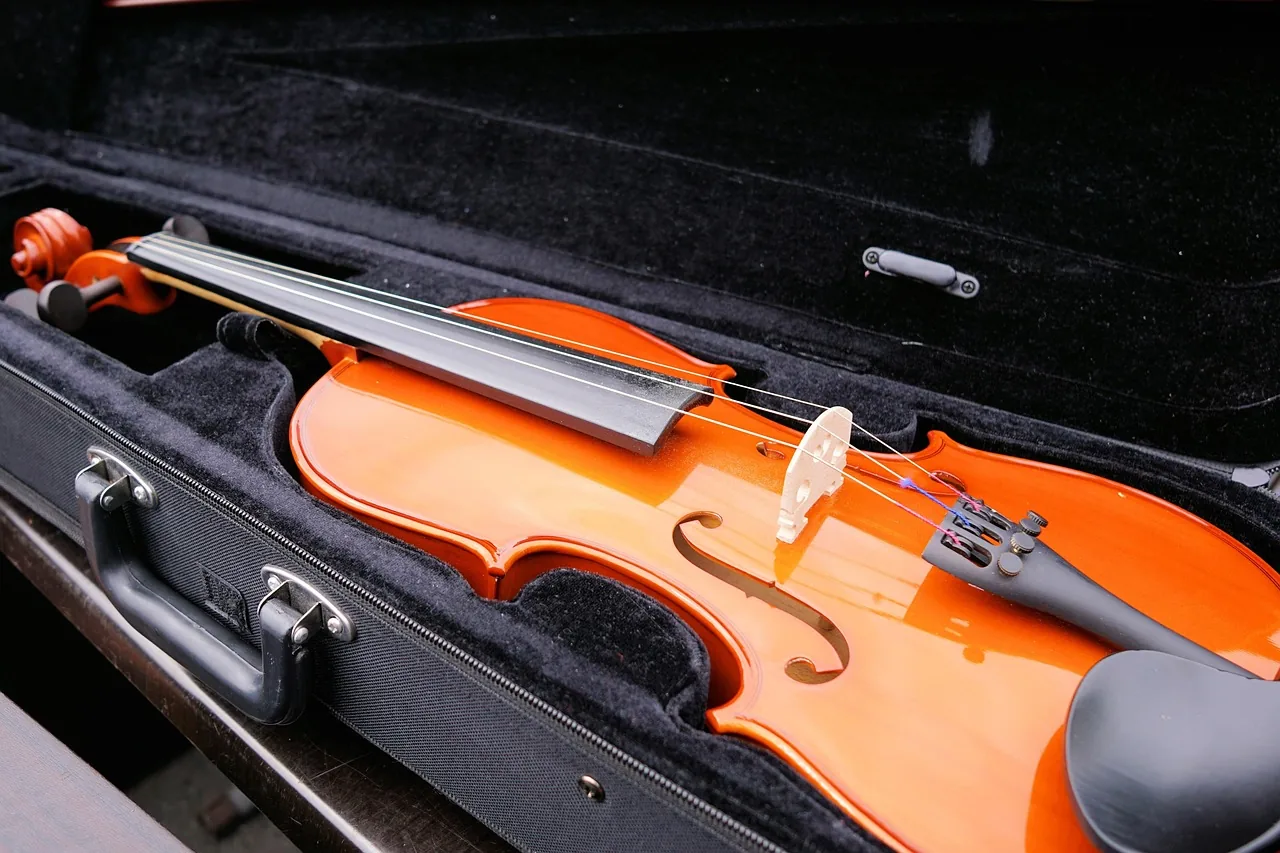
The violin is considered the king of bowed string instruments. It has four strings played with a bow. The oldest violin was built in 1555 by an Italian violin maker. Today, it is an essential instrument in classical music, used in orchestras, chamber music, and even popular music. Depending on how its strings are bowed, the violin can express a variety of emotions and rhythms. It is a remarkably versatile instrument that takes intensive work to master.
In this article, we will explore violin making, violin playing techniques, the violin’s fascinating history, the training needed to become a violinist, the vast violin repertoire, the impressive virtuosity of the solo violin, and much more. Whether you are a music lover or a passionate musician, step into the captivating world of the violin.
Violin making: building the instrument
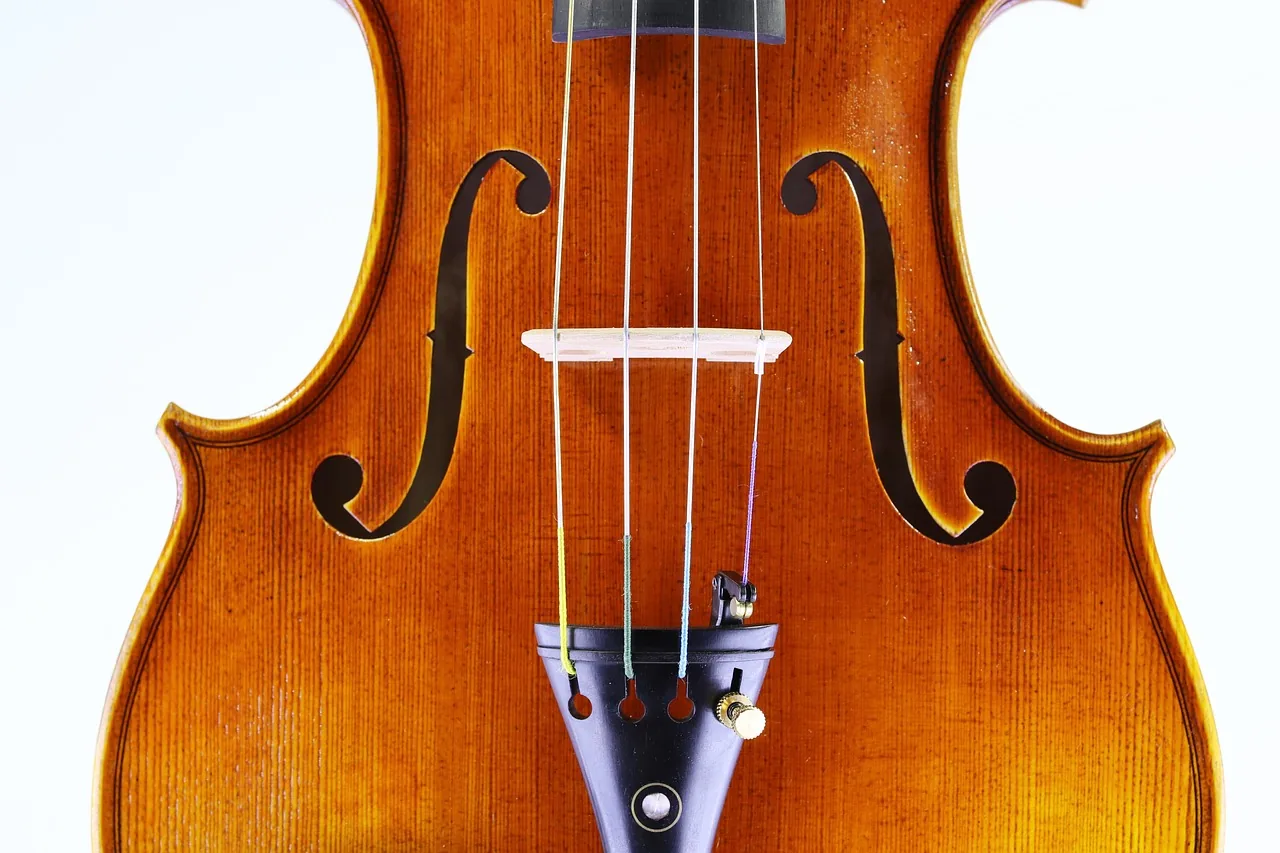
Violin making is the art of building this complex instrument. The violin consists of 71 carefully selected wooden pieces, including maple, boxwood, and ebony, which are glued or assembled together with great precision. Each piece plays an important role in the violin’s structure and sound.
The choice of wood used to make the violin is crucial. Maple, generally used for the back and sides, is valued for its density and even grain. Boxwood is used for the pegs and fingerboard, while ebony is often chosen for the chin rest and tailpiece. Each type of wood contributes to the instrument’s appearance and distinctive sound.
Assembling the different parts of the violin requires meticulous work and advanced technical skills. Violin makers use traditional techniques passed down through generations to ensure the instrument’s quality and strength. The pieces are carefully fitted, glued, and varnished to achieve the best possible sound.
Besides the wood, the violin bow also plays an essential role in the instrument’s sound and performance. Made from pernambuco wood, ebony, and horsehair, the bow sets the strings vibrating. Its curve and tension can be adjusted to produce different effects and apply various playing techniques.
| Wood | Use |
|---|---|
| Maple | Violin back and sides |
| Boxwood | Pegs and fingerboard |
| Ebony | Chin rest and tailpiece |
“Building a violin requires a delicate balance between selecting the best materials and applying craftsmanship. Every piece contributes to the instrument’s beauty and distinctive sound.” — Renowned master violin maker
When all the pieces are assembled precisely, the instrument comes to life and reveals the full richness of its sound. Violin making is an art that takes years of practice and refinement. Violin makers continue to uphold this centuries-old tradition by creating exceptional violins that are true masterpieces of craftsmanship.
The different stages of building a violin:
- Choosing materials for their acoustic and visual qualities
- Preparing the wooden pieces: cutting, sanding, and fitting
- Assembling the violin’s main parts: the body, neck, and scroll
- Installing the fittings: pegs, fingerboard, chin rest, and tailpiece
- Varnishing to protect the wood and improve the sound
- Making final adjustments to ensure the violin plays well and is balanced
Every stage of building a violin demands great precision and close attention to detail. Violin makers bring all their expertise to this magnificent instrument, creating works of art that stand the test of time and delight musicians and listeners alike.
Violin playing techniques: expression and virtuosity
The violin offers a wide variety of playing techniques that let performers show expression and virtuosity. These include bow movements such as straight or angled bowing, martelé, ricochet, spiccato, and sautillé. Other techniques, such as vibrato, staccato, and pizzicato, add another dimension to violin performance.
Vibrato is a technique that produces a slight oscillation of the hand, giving notes a vibrant sound. It helps express intense emotions and adds warmth and depth to the violin’s tone.
Staccato is a playing technique in which notes are played separately from one another. It creates a lively, precise rhythmic texture that is ideal for fast passages.
Pizzicato is a technique in which the violinist plucks the strings with the fingers instead of drawing the bow across them. This produces a short, percussive sound that adds contrast and color to a performance.
By combining these techniques with other bow movements and precise fingering, violinists can create a wide range of sounds, expressions, and musical nuances. This range of techniques lets them convey deep emotions and push the boundaries of violin virtuosity.
| Technique | Description |
|---|---|
| Straight bowing | Moving the bow straight across the strings for a full sound |
| Angled bowing | Moving the bow diagonally to vary the sound’s intensity and color |
| Martelé | Giving the strings a sharp bow stroke for a short, striking effect |
| Ricochet | Bouncing the bow on the strings for a bright, rapid sound |
| Spiccato | Producing detached notes by bouncing the bow on the strings |
| Sautillé | Making rapid bow bounces on the strings for a light, lively sound |
Pieces that showcase violin playing techniques
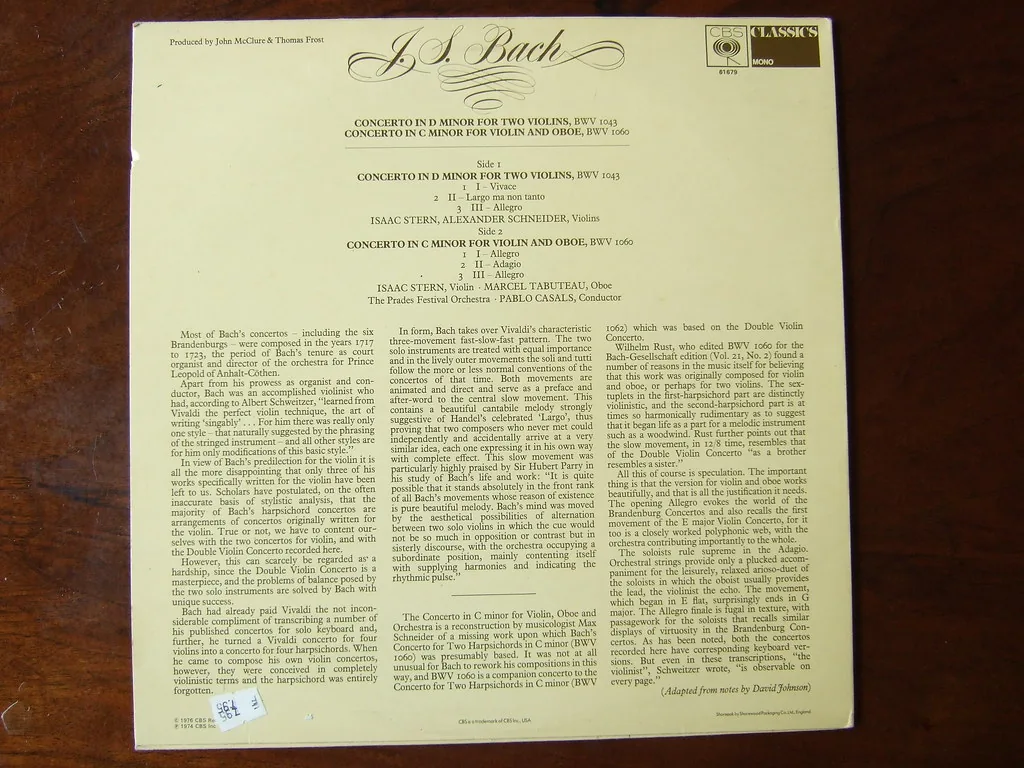
Bach’s “Chaconne”: this landmark composition showcases various violin playing techniques, including vibrato, staccato, and the use of the bow to create expressive contrasts.
Niccolò Paganini’s “Caprices”: these virtuosic pieces explore the violin’s full technical potential and demonstrate the agility and precision needed to perform them.
Tchaikovsky’s “Violin Concerto”: this famous concerto highlights the violinist’s extraordinary technical abilities through fast passages and moments of intense expression.
History of the violin: from its origins to today
The violin has a rich history dating back to the 16th century. It originated in Italy, more precisely in Brescia or Cremona. Italian violin makers such as Giovan Giacomo Dalla Corna and Andrea Amati played a major role in its development. From there, the instrument spread rapidly across Europe and became central to Western classical music. Composers such as Vivaldi, Bach, and Mozart wrote for the violin, while virtuosos such as Paganini demonstrated the instrument’s extraordinary capabilities.
| Period | Event |
|---|---|
| 16th century | The violin emerges in Italy |
| 17th century | Development of violin making |
| 18th century | The violin becomes a major influence in classical music |
| 19th century | Famous virtuosos such as Paganini emerge |
| 20th century | Exploration of new violin techniques and musical genres |
The violin has continued to evolve and influence music throughout its history. Today, it remains an emblematic instrument of classical music, and many famous violin makers continue to create exceptional violins. The violin’s influence on classical music is undeniable, and its varied repertoire offers extraordinary musical richness.
Violinist training: learning and practice
Becoming a skilled violinist requires intensive, regular training. Violin lessons can begin at a very young age, starting with the fundamentals of technique and reading sheet music. Violin schools and private lessons offer opportunities for in-depth learning under experienced teachers.
However, the key to success lies in daily practice. Spending time with the violin every day develops technical skills and improves musicality. Regularly repeating exercises and pieces helps reinforce existing skills and absorb new ideas.
Violinist training is a demanding journey that requires perseverance and discipline. Aspiring violinists must be ready to devote time and effort to improving. Yet this training also offers an enriching and rewarding experience, allowing musicians to develop their artistic sensitivity and express themselves through their instrument.
In conclusion, learning the violin and practicing daily are essential for anyone who wants to become an accomplished violinist. Whether at a violin school or through private lessons, violinist training provides the technical and musical knowledge needed to master this exceptional instrument.
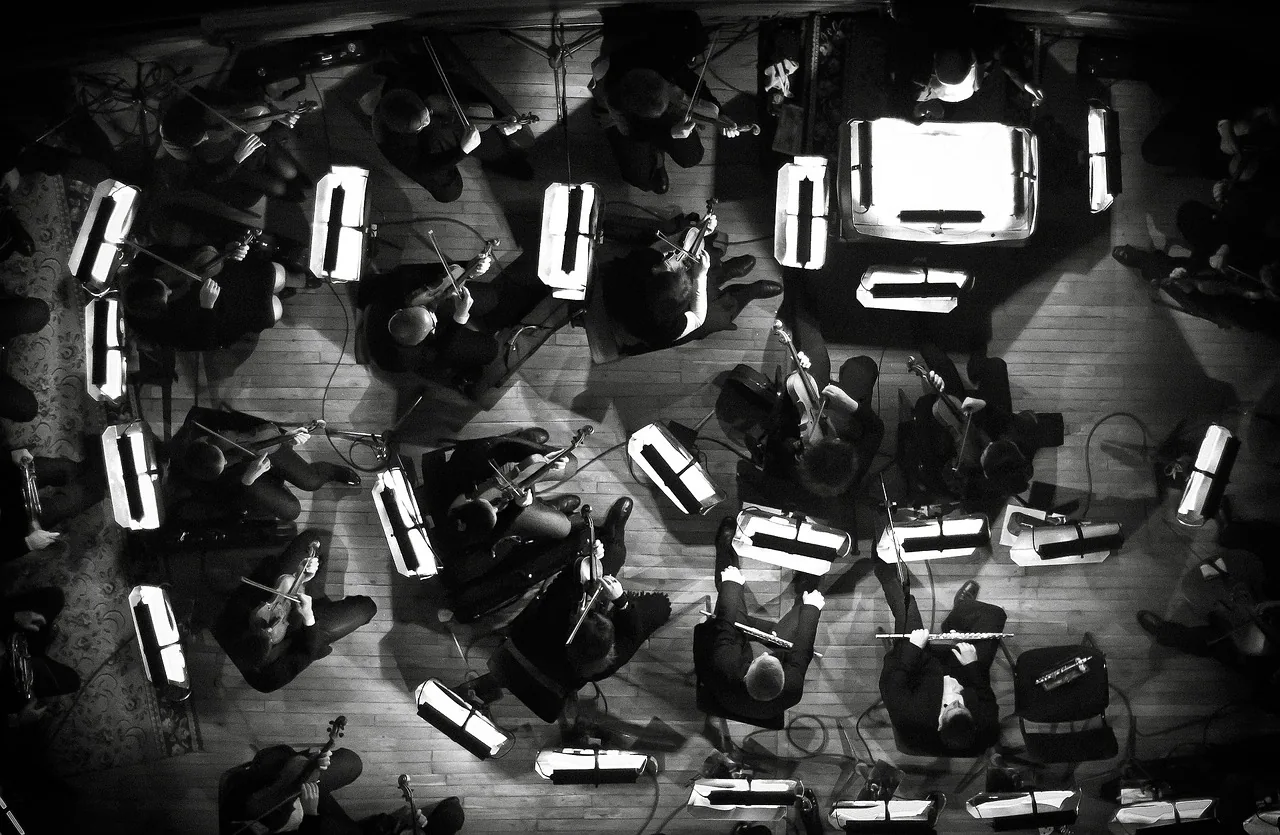
Daily violin practice is essential for developing the skills needed to master the instrument.
Violin repertoire: from classical masterpieces to modern performances
The violin repertoire is vast and varied. It offers violinists a range of classical masterpieces as well as modern interpretations across different musical genres. Renowned composers such as Bach, Beethoven, and Brahms created timeless works for the violin, giving musicians landmark pieces to perform.
Violin concertos are among the repertoire’s most famous and demanding compositions. Masterpieces such as Beethoven’s Violin Concerto, Tchaikovsky’s Violin Concerto, and Sibelius’s Violin Concerto showcase violinists’ virtuosity and their ability to perform with an orchestra.
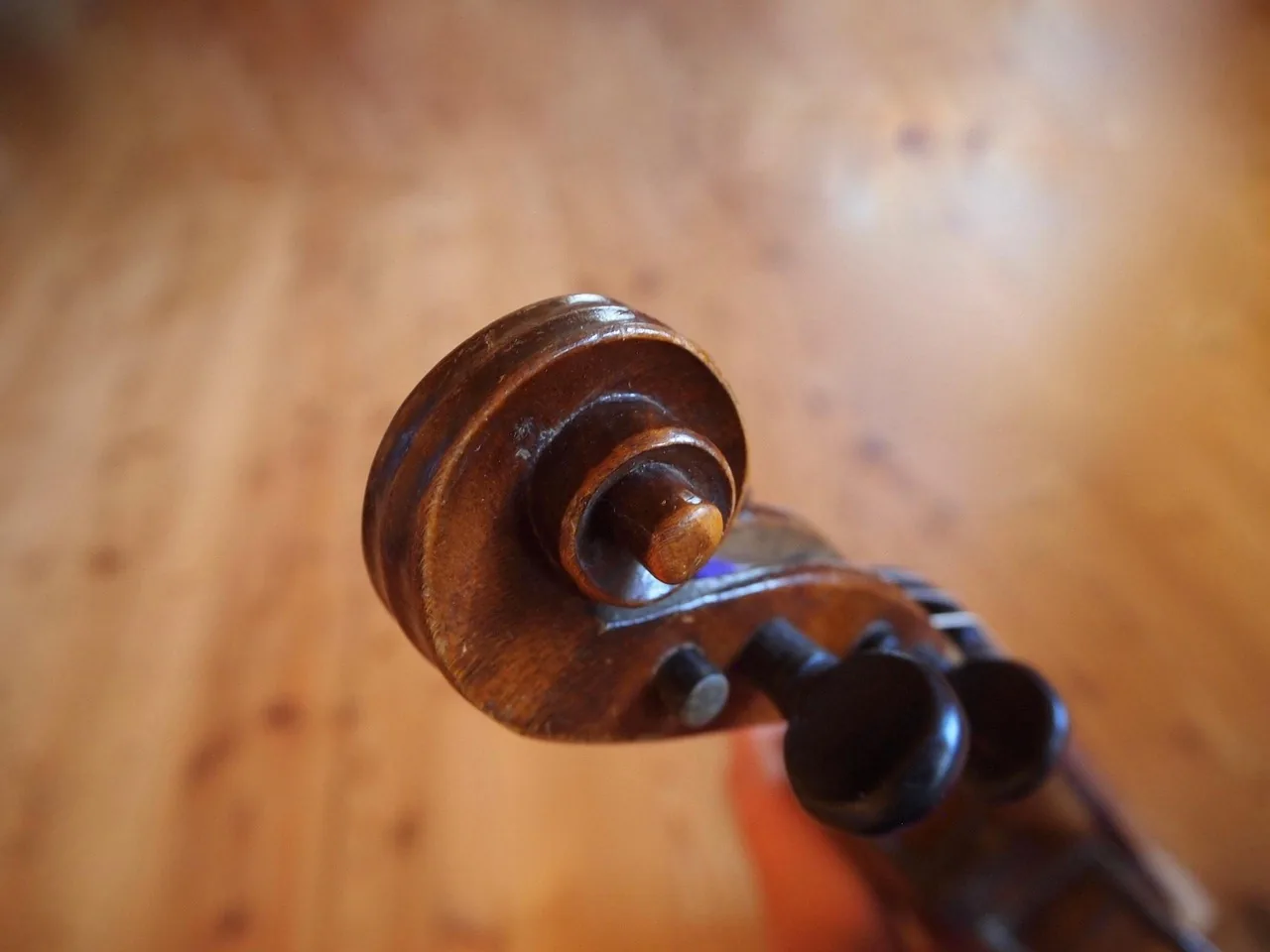
Violin sonatas are another essential part of the repertoire. They give violinists the chance to perform more intimate and expressive pieces, often accompanied by a pianist or another instrumentalist. Sonatas by Mozart, Brahms, and Schubert are among the best loved.
Chamber music for violin lets violinists perform in small groups, often in a string quartet or trio. These compositions bring out the beauty of the violin’s sound in a more intimate, collaborative setting. Famous works of chamber music for violin include Beethoven’s String Quartets and Schubert’s Trios for piano, violin, and cello.
Finally, the violin repertoire also includes many works for unaccompanied violin, in which the violinist performs alone onstage. These recitals offer a unique experience, allowing violinists to demonstrate their expressiveness and technical command. Pieces such as Bach’s Partitas, Paganini’s Caprices, and Bartók’s Sonata for Solo Violin are essential works in the solo repertoire.
The solo violin: virtuosity and individual expression
The solo violin fully reveals the violinist’s technical and expressive abilities. Famous violin solos such as Bach’s Chaconne, Paganini’s Caprices, and Bach’s Partitas perfectly illustrate the virtuosity and individual expression possible on the solo violin. These pieces present major challenges for violinists, but audiences also love them for the mastery and emotion that a solo violin can convey.
“The solo violin is an intimate journey in which every note is imbued with personal expression and impressive virtuosity.” — Maestro Andrei Vasilevich
Violin virtuosity comes to the fore in solos, where violinists demonstrate exceptional technical skills through fast passages, wide interval leaps, and complex arpeggios. Individual expression is also at the heart of solo violin playing: it allows musicians to communicate their emotions and give the music an interpretation of their own.
Famous violin solos
Famous violin solos are landmark pieces that have shaped music history. Here are a few examples:
- Johann Sebastian Bach’s Chaconne
- Niccolò Paganini’s Caprices
- Johann Sebastian Bach’s Partitas
These solos demand impeccable technique, command of the bow, and exceptional musicality. They have become essential points of reference for violinists, who draw inspiration from these masterpieces to develop their own style and musical voice.
Virtuosity and individual expression on the violin
| Violin solo | Composer | Difficulty level |
|---|---|---|
| Bach’s Chaconne | Johann Sebastian Bach | Difficult |
| Caprice No. 24 | Niccolò Paganini | Very difficult |
| Partita No. 2 | Johann Sebastian Bach | Intermediate |
Violin virtuosity and individual expression can be gained only through hard work and constant practice. Violinists must spend many hours refining their technique, deepening their musical understanding, and developing their own style. Once they have mastered these skills, however, solo violin playing becomes a true artistic performance that captivates audiences and gives them an unforgettable musical experience.
Conclusion
The violin, king of bowed string instruments, occupies a central place in music. Its expressive sound, versatility, and rich history make it a fascinating instrument. From the classical repertoire to popular music, the violin continues to delight listeners around the world.
Its virtuosity and potential for individual expression make it an essential instrument for musicians and music lovers. With its ability to express a wide variety of emotions and rhythms, the violin can touch every listener’s soul.
The violin, a true jewel of instrument making, will surely continue to amaze listeners for centuries to come. Its importance in music is undeniable, and its fascination continues to grow. Whether in a symphony orchestra, a chamber ensemble, or a solo performance, the violin is a pillar of music that will forever remain in our hearts.
FAQ
Is the violin considered the king of bowed string instruments?
Yes, the violin is considered the king of bowed string instruments because of its expressive sound and versatility.
What is violin making?
Violin making is the art of building this complex instrument from separate wooden pieces that are glued or assembled together.
What woods are used to make a violin?
A violin is generally made using woods such as maple, boxwood, and ebony.
What are the violin playing techniques?
Violin playing techniques include bow movements such as straight or angled bowing, martelé, ricochet, spiccato, and sautillé, as well as techniques such as vibrato, staccato, and pizzicato.
What is the history of the violin?
The violin has a rich history dating back to 16th-century Italy, where it was developed by violin makers such as Giovan Giacomo Dalla Corna and Andrea Amati.
How can you become a skilled violinist?
To become a skilled violinist, you need intensive, regular training, a grounding in technique and reading sheet music, and daily practice.
What does the violin repertoire include?
The violin repertoire is vast and varied. It includes classical masterpieces by Bach, Beethoven, and Brahms, as well as modern interpretations in different musical genres.
What is solo violin playing?
Solo violin playing showcases the violinist’s technical and expressive abilities, as illustrated by famous works such as Bach’s Chaconne, Paganini’s Caprices, and Bach’s Partitas.
Why is the violin important in music?
The violin occupies a central place in music. Its expressive sound and wide variety of playing techniques continue to fascinate listeners around the world.