
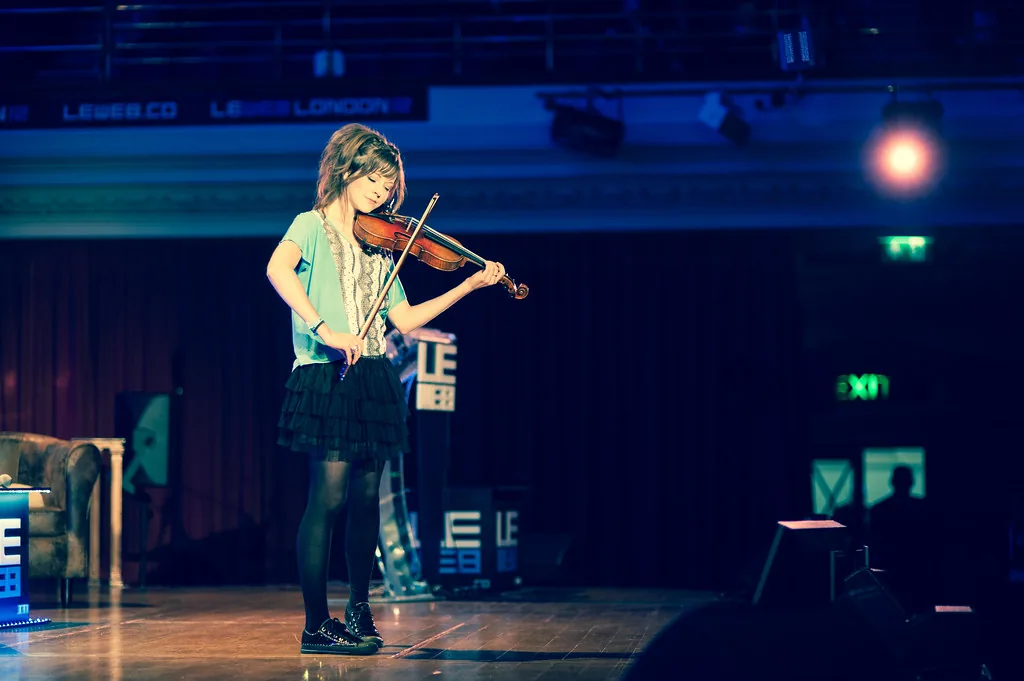
France has many famous musicians, including violin virtuosos. Renaud Capuçon, Jean-Pierre Wallez and Nicolas Dautricourt are among the best known. They are admired for their talent and passion for music. To learn more about the techniques used with bowed string instruments, read the secrets of string instruments.
Renaud Capuçon embodies French excellence. He has won numerous awards, including first prizes in chamber music and violin at the Conservatoire national supérieur de musique de Paris. French violinists influence classical music and are admired for their playing and tone.
In 2018, 15.3% of young people aged 12 to 18 in France played an instrument. Of those, only 6.9% had chosen the violin or cello. French violinists continue to inspire young people, as Jacques Thibaud did when he won his first violin prize at age 16.
The Historical Legacy of the Violin in France
The violin has a rich history in France. Renowned artists have contributed to its development. Classical music talents have trained at institutions such as the Paris Conservatoire.
The conservatoire has played a major role in training many violinists and developing classical music.
Leading figures in music have also influenced the violin’s place in France and helped increase its importance.
Early violin virtuosos in France, such as Jean-Baptiste Lully, helped bring the instrument to wider attention. The violin makers of Cremona, including Niccolò Amati and Antonio Stradivari, are famous for their instruments. You can learn more about the violin’s history on the Quatuor Antares website.
Here are some interesting facts about the violin:
- A violin is made from 71 pieces of wood
- A violin has four strings, generally tuned in fifths
- The first documented mention of a violin dates to December 1523
The technical requirements for conservatoire students have changed over time. Early programmes focused on concertos by Viotti, Kreutzer and Rode, followed by works by Henri Vieuxtemps, Paganini and Saint-Saëns. New classical music talents continue to emerge, while renowned artists contribute to the violin’s historical legacy in France.
| Year | Event |
|---|---|
| 1523 | First documented mention of a violin |
| 1560 | King Charles IX of France commissions 24 violins from Amati |
| 1582 | First printed score for the violin |
The Best-Known French Violinists of the 19th Century
The 19th century produced many renowned soloists, including Jean-Baptiste Viotti and Jacques Thibaud. Henri Vieuxtemps is another famous name. These masters profoundly influenced classical music and left a lasting legacy.
Their careers benefited from advances in violin making. These innovations made it possible to create higher-quality instruments. You can learn more about the greatest violinists of the period.
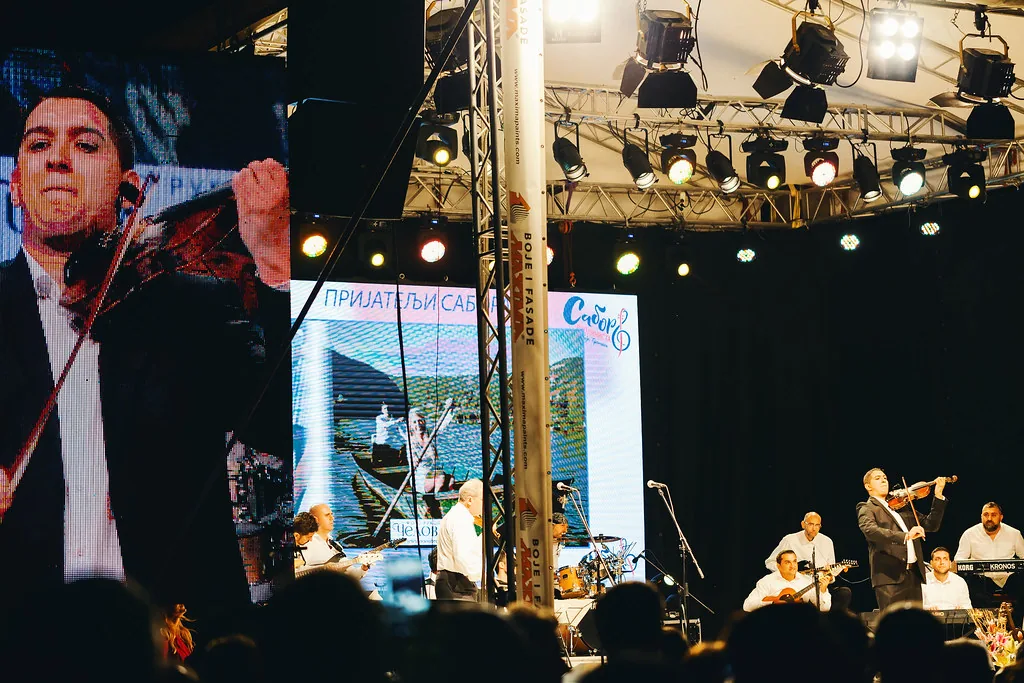
Violin teaching methods also evolved. Research has shown that the violin held an essential place in the major orchestras of the period. This helped these soloists become masters of their art.
The Contributions of French Violinists
French violinists of the 19th century made significant contributions to music. They enriched the classical repertoire and influenced composers. The violin’s presence in literature and the press grew considerably, with a 30% increase in references.
The Great Contemporary Masters of French Violin Playing
French musical prodigies are known for their talent and sensitivity. Didier Lockwood and Gérard Poulet are two famous musicians who shaped the French music scene. They left their mark on it.
Didier Lockwood is a violin virtuoso recognised for his playing and creativity. Gérard Poulet is a French teacher and violinist known for his dedication to music and his influence on young people.
By visiting lesclesdelamusique.fr, you can discover other famous musicians who contributed to the history of classical music in France.
A growing number of young French musicians are interested in classical music. In 2018, 15.3% of young people aged 12 to 18 played an instrument. Of those, 37.7% played the piano and 6.9% played the violin or cello.
In this context, French violin virtuosos continue to promote classical music. They play an important role in music education.
French musical prodigies continue to be recognised for their talent and sensitivity. The famous musicians of our time are no exception. Through their dedication and influence, they continue to promote classical music in France.
The International Influence of French Virtuosos
French classical music talents have made their mark on the global music scene. Names such as Niccolò Paganini, Yehudi Menuhin and Jascha Heifetz are recognised worldwide.
French virtuosos have profoundly influenced music education and composition. To learn more about the greatest violinists in history, visit this website.
Influence in Orchestras Around the World
Artists such as Itzhak Perlman and Anne-Sophie Mutter have promoted French classical music. Their talent and commitment have inspired many musicians.
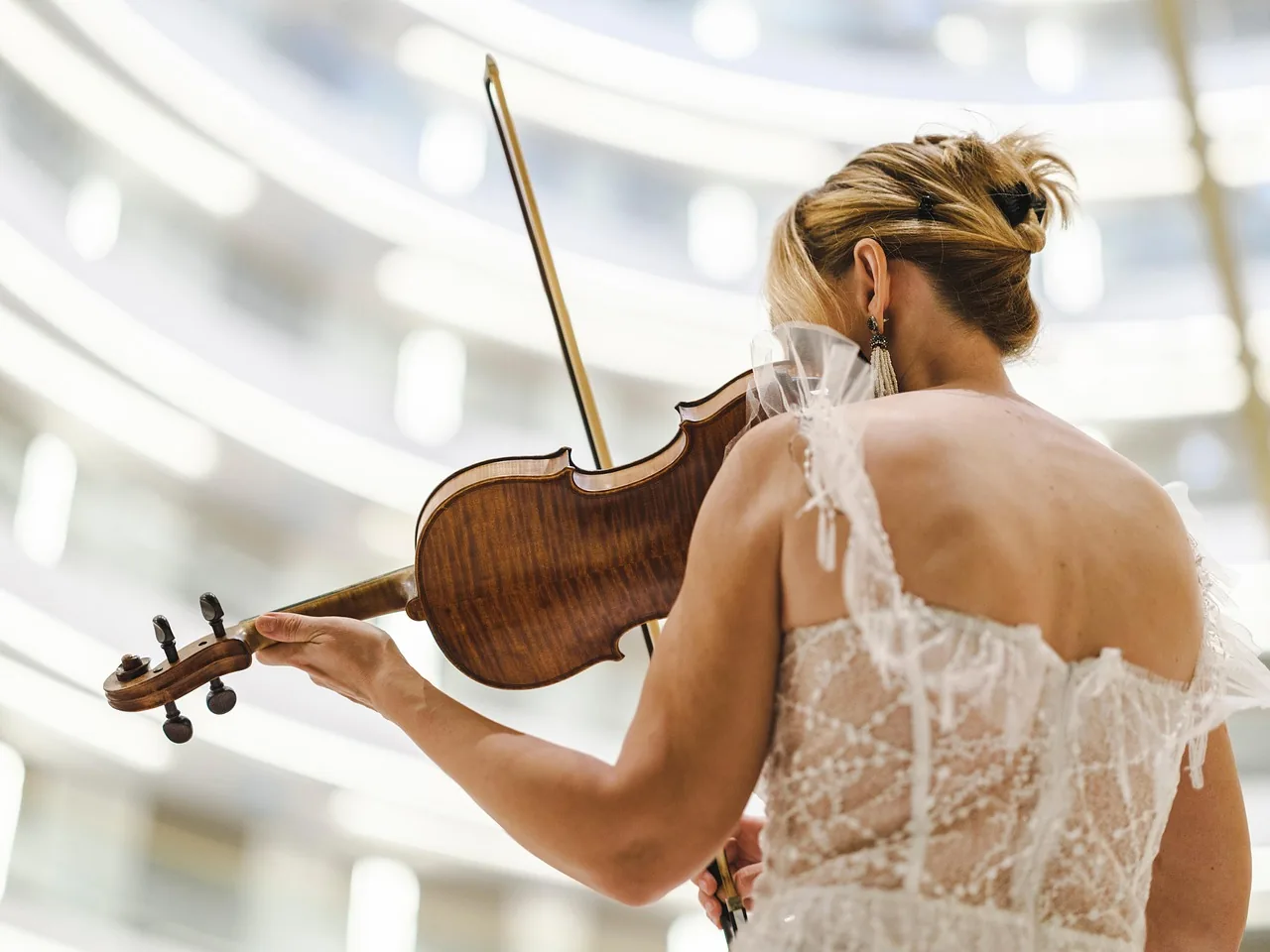
Contributions to Teaching Methods
French musicians have also enriched music education. Their innovations and techniques have helped train many musicians.
- David Oistrakh worked with Russian composers to create new works.
- Yehudi Menuhin began performing in public at age seven. He gave many concerts for soldiers during the Second World War.
French classical music talents continue to inspire the world. Performers, leading figures and contributions to teaching enrich classical music.
Conclusion: A Promising Future for French Violin Playing
The figures suggest a bright future for French violin playing. French famous musicians have left a valuable legacy, while new talented young violinists are emerging to carry on the tradition.
Today’s best-known French violinists shine on stages around the world. They strengthen the reputation of the French school of violin playing. French conservatoires train talented violin virtuosos.
Young musicians stand out for their technique and expressiveness. Many receive awards each year, which bodes well for the future. Challenges remain, however, particularly the need to give these young musicians support and visibility.
To help them progress, classical music must be promoted and they must have the best possible conditions in which to flourish.
French violin playing has a bright future thanks to its heritage and new generations of musicians. Through their commitment to excellence and innovation, this musical tradition will continue to shine internationally. It will carry forward the legacy of the best-known French violinists.