
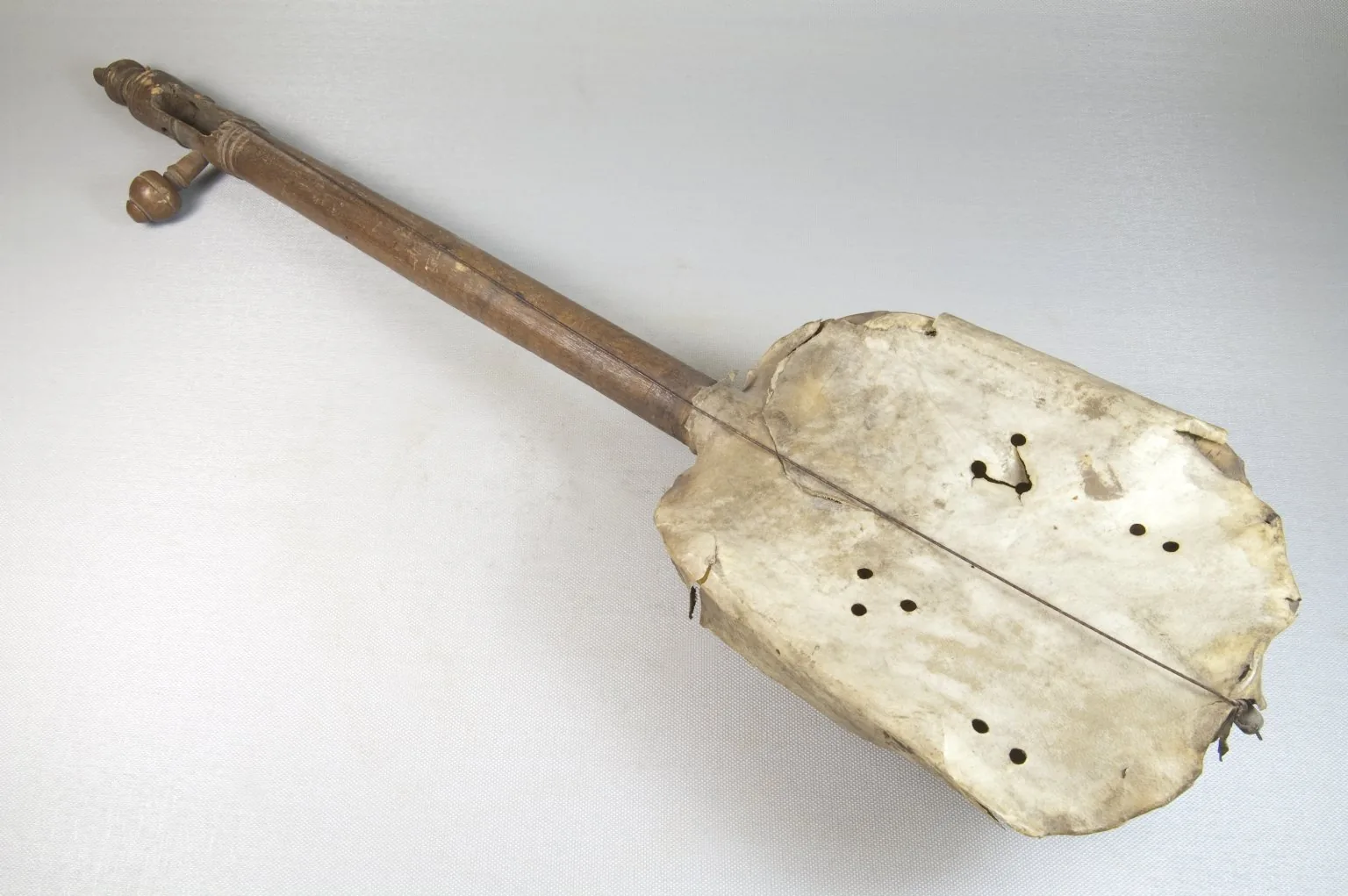
This guide explains how to care for a wooden instrument, including the violin.
The goal: maintain a consistent sound, reduce string wear, and avoid costly repairs through simple, regular care.
Wood reacts to changes in temperature and humidity. These changes can cause buzzing, movement at the joints, or cracks. Wiping away rosin and sweat after each session protects the varnish and strings while keeping the instrument comfortable to play.
Four areas shape the advice that follows: climate control, wiping down the instrument after playing, string care, and safe storage and transport.
You will learn what you can do at home and when to consult a professional. A luthier can help you avoid irreversible mistakes.
What you will learn: by the end, you will be able to establish a weekly and seasonal routine without harsh products or risky techniques.
For advice on string lifespan, see when to change your strings.
Why lute care matters for sound and longevity
An instrument’s sound quality depends as much on its physical condition as on the player’s technique.
Wood, varnish, and mechanical stress: what wears out fastest
Wood expands in humid air and contracts in dry air. These movements affect tension at the bridge and around the pegs. String tension and pressure on the bridge form a delicate balance.
Varnish wears through friction and accumulated rosin. Strings lose their brilliance even when the instrument is played infrequently. Tuning stability also changes with the climate.
Warning signs to watch for
What may be normal: small seasonal changes in tone or tuning.
Watch closely for: a dull sound, an unwanted noise, a shifting bridge, dull varnish, unstable tuning, or a visible crack. Ask a luthier to assess these signs.
| Symptom | Possible cause | Recommended action |
|---|---|---|
| Dull sound | Seasonal change | Simple routine: wipe down after playing and check monthly |
| Unstable tuning | Changes with the weather | Check the hygrometer and adjust the room conditions |
| Crack or open seam | No | Consult a professional promptly |
For practical advice on everyday care, see how to care for your violin.
Control humidity and temperature to protect the wood
Protecting an instrument starts with controlling the air around it. Aim for stable conditions rather than a perfect reading.
Recommended humidity and realistic goals
In practice, look for a “comfort zone”: 30 to 40% in very dry homes during winter, or 40 to 60%, as some luthiers recommend depending on the home.
The aim is to favor stability over daily fluctuations. A fairly steady humidity level limits the swelling and shrinking of wood.
Measure and stabilize conditions
Place a hygrometer in the room where you keep the instrument, near its case. Record the reading over several consecutive days to identify trends.
Practical steps for each season
- Dry winter: use an ultrasonic or cool-mist humidifier, or a case humidifier if you cannot control the room.
- Humid summer: use a dehumidifier or air conditioning to lower and stabilize humidity.
- Short-term solution: check humidity regularly and make small local adjustments instead of sudden changes.
Avoid temperature shocks and risky conditions
Never leave an instrument in a car. Keep it away from direct heating, windows in full sun, and poorly ventilated rooms.
After traveling, let the instrument acclimate inside its case to avoid a sudden temperature change.
Caution: repeated fluctuations can shift the soundpost or bridge or change string tension. If the sound deteriorates noticeably, have a luthier check the instrument before the problem worsens.
For more on the effects of climate, see this guide to the impact of climate and a general resource on string instruments.
Lute care: cleaning, humidity, strings, and storage
After playing, a few seconds of care can help preserve the varnish and acoustic quality.
A quick routine: where and how to wipe
Wipe the soundboard, contact points, and strings to remove rosin, sweat, and dust. Do this every time so deposits do not become embedded.
Why your fingers matter
Sweat is acidic and speeds up wear. A thirty-second wipe limits this chemical effect and helps preserve the sound.
The right cloth and cleaning products
Use a soft cloth made of microfiber, kept for this purpose, with no abrasive seams, and store it in the case. Avoid solvents and household cleaners.
For occasional cleaning, use a polish designed for violins and follow the manufacturer’s instructions.
Clean the strings and manage rosin
Gently wipe the tops and undersides of the strings: rosin caught in their windings interferes with vibration and dulls the sound.
Too much rosin on the bow produces a gritty sound; apply less, and less often.
| Action | Frequency | Why |
|---|---|---|
| Quick wipe-down | After every playing session | Removes rosin, sweat, and dust |
| Instrument-specific polish | Occasionally | Cleans more thoroughly and protects the varnish |
| Storage in the case | After cleaning | Reduces dust and protects against knocks |
For advice on protection during the cold season, see how to protect your instrument in winter.
Strings: replacement, tension, and safe fitting
Strings deteriorate over time, even without intensive playing.
Here are simple guidelines based on use and playing level. Advanced players often change their strings every 4 to 6 months to maintain clarity and response. Students generally change them once a year. A loss of brilliance, unstable tuning, or a less precise response can indicate wear.
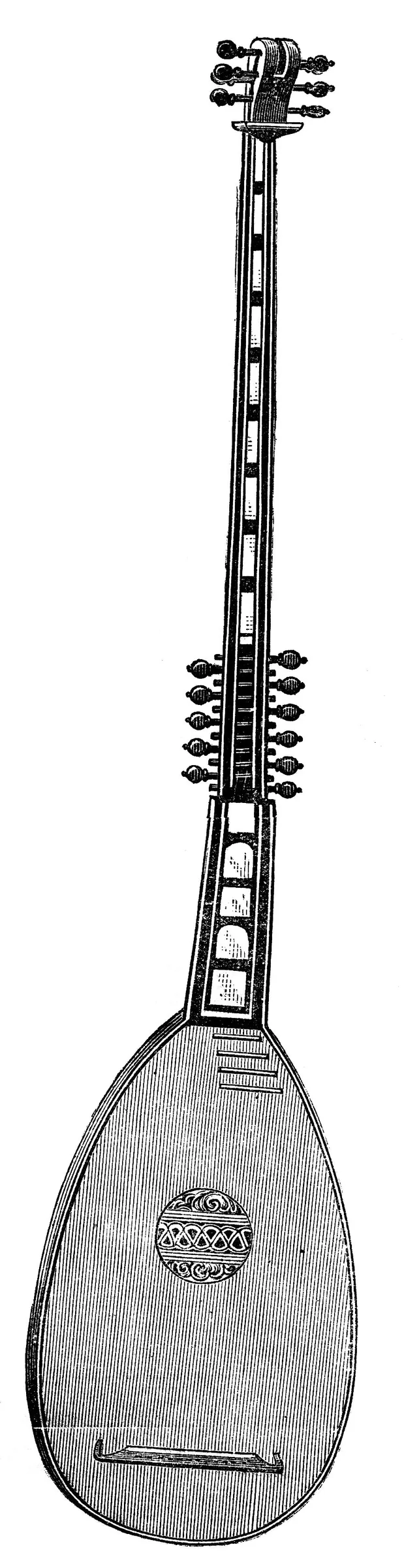
Replace one string at a time
Safe procedure: replace one string at a time to maintain overall tension. This helps prevent the bridge from tipping or the soundpost from experiencing a sudden shift.
Wind the string correctly around the peg
Keep slight tension on the string while fitting it. Guide the winding toward the edge of the pegbox on the same side as the peg. Do not let the coils overlap, as this encourages slipping.
Settling-in period
New strings take a few days to settle. Tune them briefly and often, without forcing them. This helps the tension stabilize and reduces fluctuations.
| Situation | Recommended frequency | Why | When to seek advice |
|---|---|---|---|
| Advanced player | Every 4 to 6 months | Clarity and precise attack | If a string breaks frequently |
| Student or amateur | Every year | A good balance between cost and use | If the sound remains dull after replacement |
| Occasional playing | According to time in use | Strings age even when you do not play | If tuning is unstable after a break from playing |
| Fitting | At every replacement | Preserves tension and the bridge | If the peg slips or the bridge leans |
Quick checklist before tuning: check that the string sits properly in the nut groove, the bridge is aligned, and nothing catches the string along its path.
If a peg slips despite correct winding, a string breaks while being fitted, or the bridge moves too much, seek professional help. The same principles apply to the violin: care and a methodical approach help keep the instrument safe.
Bridge, pegs, and small adjustments to check regularly
A poorly aligned bridge significantly reduces the transfer of vibrations to the soundboard. Check that it stands upright and is correctly positioned whenever you change a string.
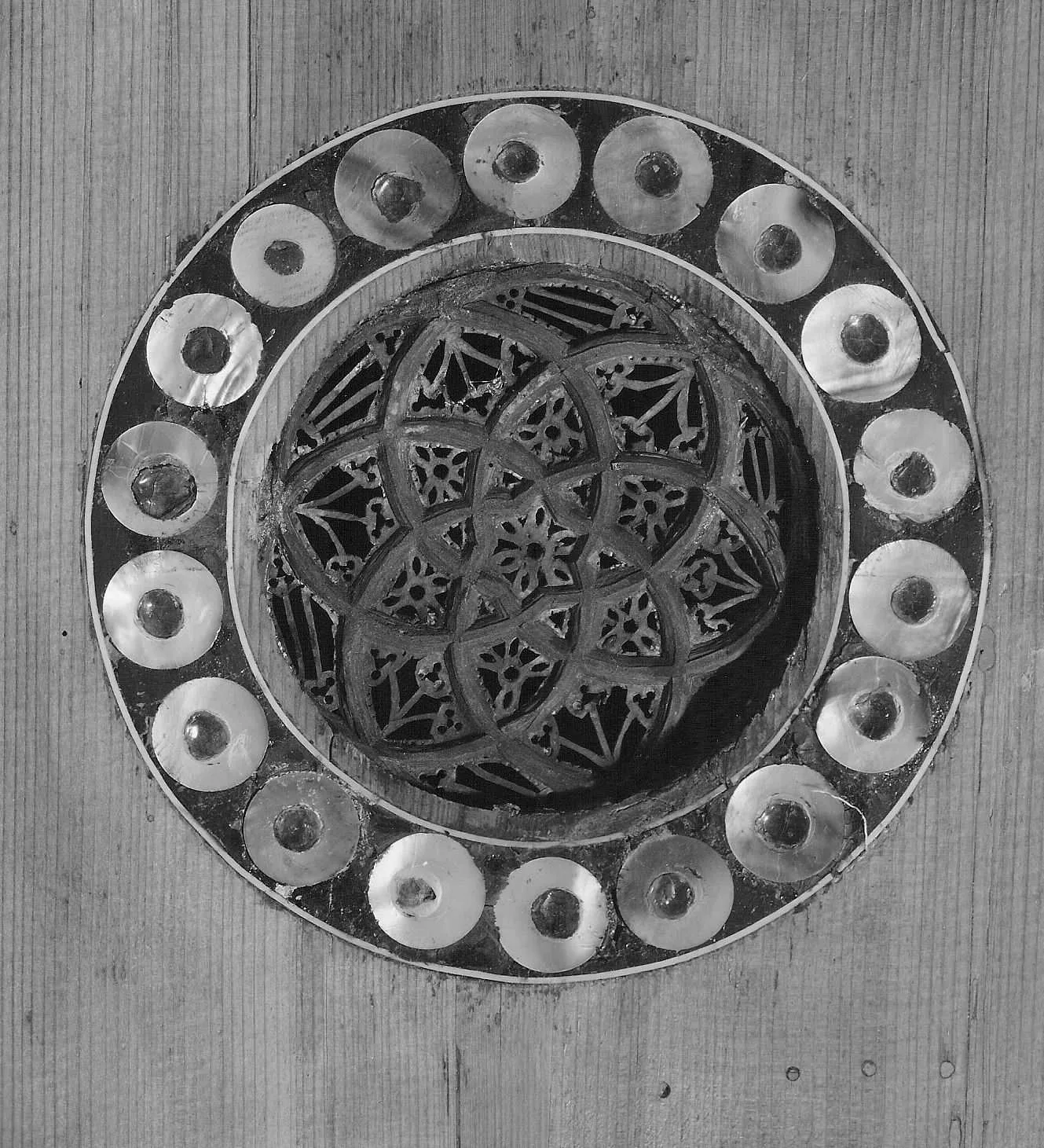
A simple bridge check
Check whether the bridge leans toward the fingerboard or the tailpiece. If it leans slightly, it can be gently straightened. A badly warped bridge should be replaced because its quality and sound suffer.
Grooves, graphite, and wear
Check the depth and edges of the grooves in the nut and bridge. Sharp edges increase the risk of strings breaking.
Tip: rub a soft 6B pencil in the grooves to reduce friction.
Pegs that slip or stick
Slipping and sticking often result from changes in air humidity or poor string winding. Wind the string correctly again, then lightly lubricate the peg with dry soap or chalk.
Limits of do-it-yourself adjustments: if the peg is difficult to turn, tuning will not hold, or the taper is worn, consult a luthier.
Fine tuners and varnish
Loosen the fine tuners regularly to keep them from touching the soundboard and to protect the varnish. Then retune using the pegs.
“A simple visual check twice a month prevents most mechanical problems.”
| Part | What to check | Action |
|---|---|---|
| Bridge | Alignment and warping | Straighten or replace |
| Grooves | Edges and depth | Apply graphite; have a professional file them |
| Pegs | Turning and grip | Rewind the string, lubricate, and consult a luthier if needed |
| Fine tuners | Contact with the soundboard | Unscrew periodically |
Bow: daily care and periodic maintenance
A bow needs a few simple daily steps to retain its curve.
Loosen it after every use
Essential step: always loosen the bow when you have finished playing.
Constant tension strains the stick and can warp it over time.
How often to rehair the bow
For musicians who play regularly, plan to rehair the bow every 3 to 6 months to preserve sound quality.
For occasional playing, the interval may be longer depending on use and conditions.
What to avoid
- Do not touch the bow hair with your fingers: grease and dirt reduce its grip.
- Never force the screw if it sticks; you could split the stick.
- Avoid excess rosin: it makes the sound gritty and leaves more deposits on the instrument.
A simple routine and when to seek advice
Check the condition of the hair, gently clean deposits around the frog without solvents, and secure the bow in its case.
If the screw fails, the stick appears warped, or the response weakens despite suitable rosin, consult a professional.
Tip: a well-maintained bow helps extend the life of your violin and preserve playing quality.
Conclusion
Brief care after every session greatly reduces the risk of damage.
In short, simple upkeep protects an instrument’s sound and lifespan. Work at three levels: after every session (a quick wipe-down), weekly checks (bridge, tuning, case), and seasonal checks (climate, strings, bow).
Keep the instrument in its case, in a room with stable conditions and away from rapid changes. If you find a crack, an open seam, a badly warped bridge, or a soundpost problem, stop working on it and consult a luthier.
To learn more, follow this lute care guide. A preventive visit once or twice a year helps keep the violin reliable and enjoyable to play.