
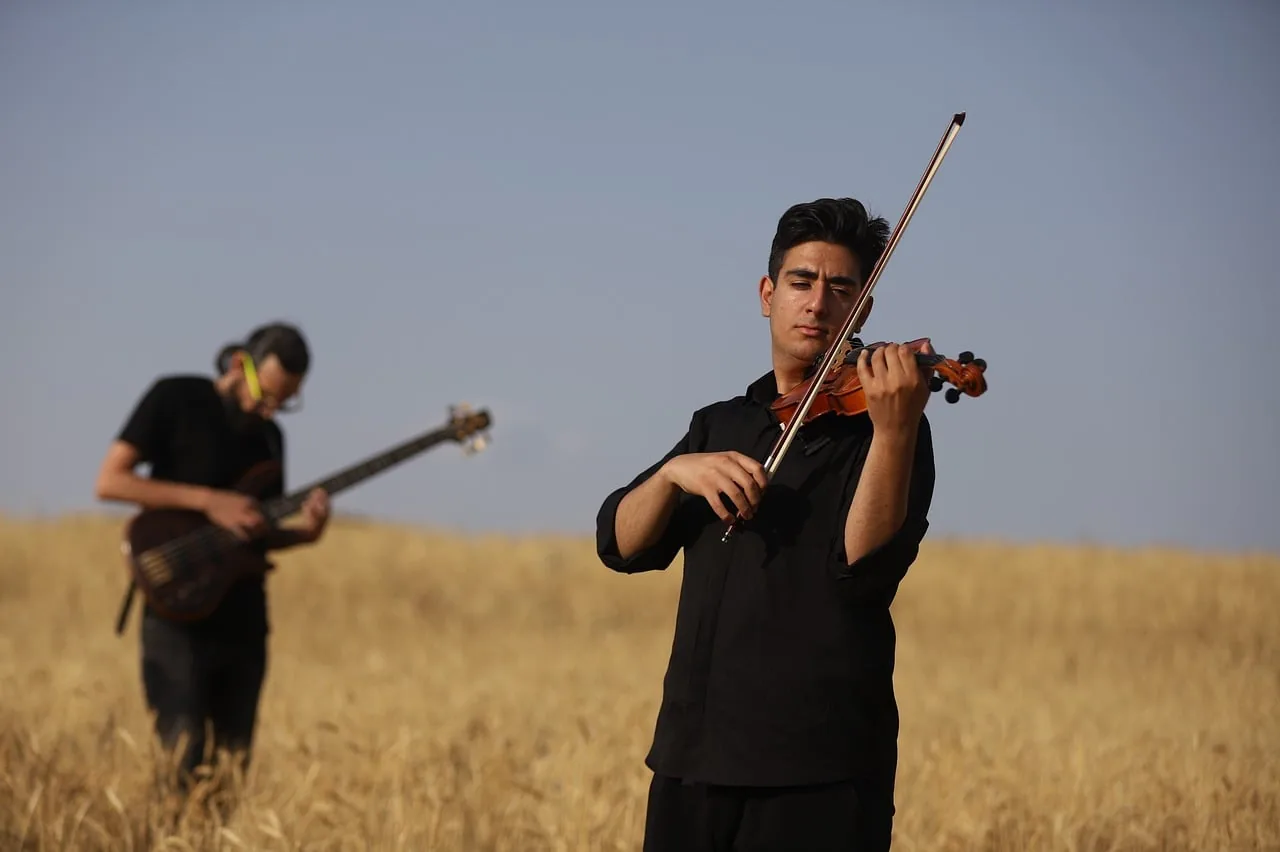
In this section, we offer a complete guide to string instruments, such as the violin, guitar, cello, and many others. You will discover the different families of musical instruments, including bowed string instruments, plucked string instruments, and struck string instruments. We will also introduce the characteristics and distinctive features of each string instrument.
Whether you are an amateur or professional musician, this complete guide will help you better understand and appreciate these wonderful musical instruments. You will discover the different types of string instruments, their unique sounds, the musical genres in which they are often used, and the precautions to take when maintaining and transporting them.
Whether you love classical music, jazz, rock, or folk, you will find useful information in this guide. Explore the fascinating world of string instruments and discover what they can bring to your musical life.
Bowed string instruments
Bowed string instruments are played by drawing a bow across the strings or using the fingers. The best-known instruments in this category are the violin, viola, cello, and double bass. Each has its own sound and is used in different musical genres. For example, the violin is known for its appealing sound and is often chosen by children taking music lessons. The cello, meanwhile, is mainly associated with classical music and is widely used in philharmonic orchestras.
Characteristics of bowed string instruments
Here are some characteristics of bowed string instruments:
- The violin: this four-string instrument is often used in classical music and plays an important role in symphony orchestras.
- The viola: slightly larger than the violin, it has a rich sound and is often used for harmonies in chamber ensembles.
- The cello: larger than the viola, it produces a powerful, deep sound. It is frequently featured as a solo instrument or in an orchestra’s cello section.
- The double bass: the largest bowed string instrument, it produces low notes and is mainly used in orchestral ensembles.
These instruments are central to many ensembles and orchestras, adding richness and depth to the music they accompany.
Musical genres featuring bowed string instruments
Bowed string instruments are used in various musical genres:
- Classical music: these instruments are closely associated with it, in both orchestral works and violin solos.
- Chamber music: chamber ensembles frequently use bowed string instruments to create complex, expressive harmonies and melodies.
- Folk music: in some folk styles, particularly Celtic and country music, the fiddle plays a central role in melodies and rhythmic accompaniment.
By exploring these genres, you will discover the variety and beauty of the sounds produced by bowed string instruments.
Comparison of bowed string instruments
| Instrument | Sound | Main use |
|---|---|---|
| Violin | Appealing and expressive sound | Mainly classical and folk music |
| Viola | Rich, warm sound | Chamber ensembles |
| Cello | Powerful, deep sound | Solo concertos and orchestral cello sections |
| Double bass | Low, resonant sound | Orchestral double bass sections |
This comparison of bowed string instruments highlights their sounds and main uses.
Plucked string instruments
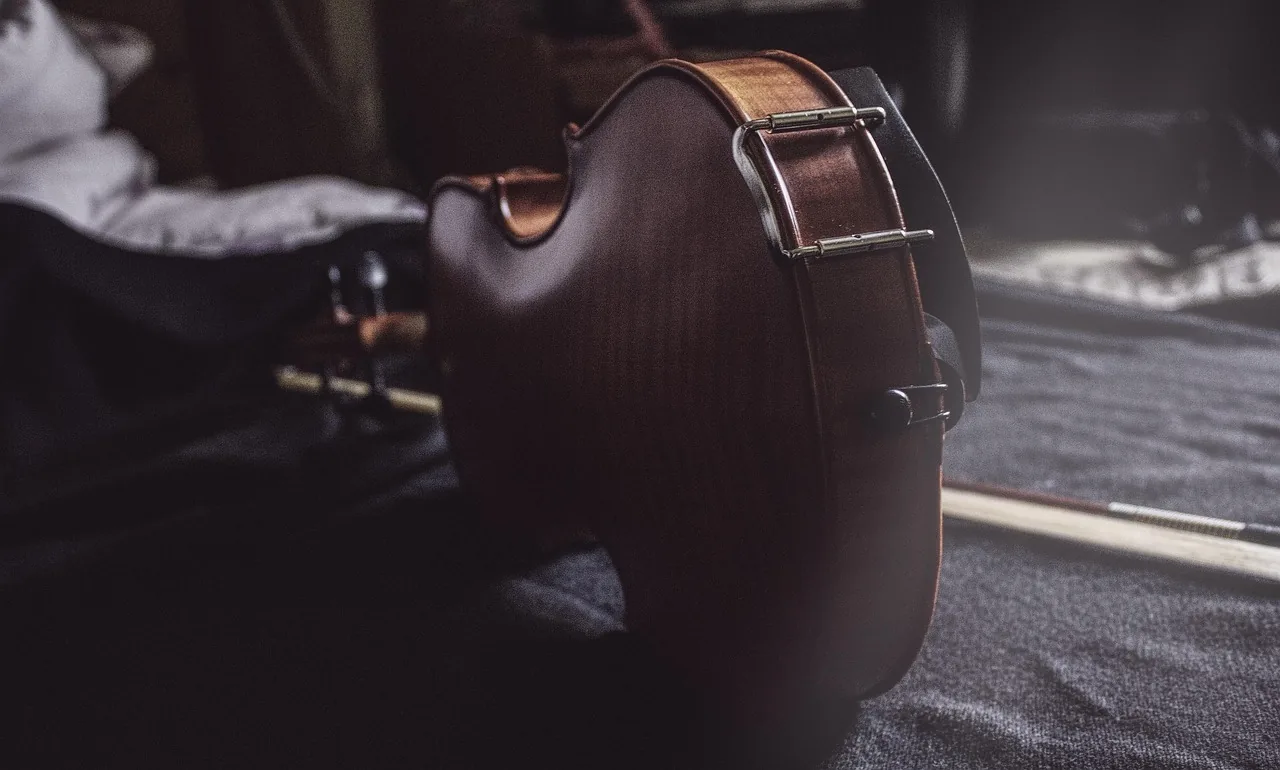
Plucked string instruments are played by plucking the strings with the fingers or an accessory, such as a guitar pick. The main instruments in this category are the bass, guitar, banjo, harp, and harpsichord.
The bass is known for its low sound and strong presence in many musical genres. It plays an essential role in a band’s rhythm section and adds harmonic depth to the music.
The guitar, meanwhile, is easy to play and can accompany a performer in any musical style. Versatile in its uses, it can play chords or melodies.
The banjo is a plucked string instrument traditionally used in folk and bluegrass music. It has a distinctive sound and is often played using fingerpicking, a technique in which the fingers pluck the strings.
The harp is a plucked string instrument with a heavenly sound. This ancient instrument has a long history in many musical traditions.
The harpsichord is a plucked string instrument that uses jacks to produce sound. Mainly used in Baroque music, it has a unique sound.
| Instrument | Category | Sound |
|---|---|---|
| Bass | Strings | Low and powerful |
| Guitar | Strings | Versatile and warm |
| Banjo | Strings | Bright and rich in overtones |
| Harp | Strings | Heavenly and melodic |
| Harpsichord | Strings | Clear and delicate |
Struck string instruments
Struck string instruments produce sound when their keys are pressed. The piano is the best-known example in this category. It is the instrument most commonly played at conservatories and is admired for its elegance and exceptionally beautiful sound. There are also other string instruments, such as the harpsichord.
The piano is a versatile instrument used in genres ranging from classical music and jazz to pop. Its broad range of sounds lets musicians play soft, delicate notes as well as loud, powerful ones. Its harmonic richness makes it a captivating instrument that can hold an audience’s attention.
The piano is often considered the king of musical instruments. Its rich sound and wide range make it a favorite of many composers and performers.
The harpsichord is another keyboard instrument that was particularly popular in the seventeenth and eighteenth centuries. Unlike the piano, it produces a lighter, more percussive sound. It is valued for its polyphony and distinctive timbre. Although less common today, the harpsichord is still used in Baroque music and enjoyed by early music enthusiasts.
Wind instruments
Wind instruments, also called aerophones, produce sound through the player’s breath. They are divided into two families: woodwinds and brass. Woodwinds include the accordion, recorder, concert flute, bassoon, pan flute, clarinet, oboe, and saxophone. Each instrument in this family has its own sound and is used in different musical styles. Brass instruments include the trumpet, horn, trombone, and tuba.
| Family | Examples of instruments |
|---|---|
| Woodwinds |
|
| Brass |
|
Caring for string instruments
Proper care is important for preserving the longevity and sound of string instruments. Here are a few steps to take:
Maintain an appropriate temperature and humidity level
To avoid problems caused by changes in climate, it is recommended that you maintain an ideal ambient humidity level of 30 to 40%. A case or instrument humidifier can be used if necessary to regulate humidity.
Clean the instrument regularly
Regular cleaning helps prevent dirt from building up and preserves the instrument’s sound quality. Use a soft, dry cloth to remove dust and fingerprints. Avoid harsh chemicals that could damage the instrument’s finish.
Replace worn strings
An instrument’s strings wear out over time and lose their sound quality. It is therefore important to replace them regularly to maintain the best possible sound. Follow the manufacturer’s recommendations for how often to replace them.
Make necessary adjustments and repairs
The instrument’s tuning pegs and bridge must be adjusted properly so they do not slip or move out of position. If you have problems with your instrument, consult a professional luthier for the necessary adjustments and repairs.
By following these care tips, you will help preserve your string instrument’s sound quality and longevity.
String lifespan
| String type | Average lifespan |
|---|---|
| Steel strings | 3 to 6 months |
| Nylon strings | 6 to 12 months |
| Gut strings | 6 to 24 months |
Precautions when transporting string instruments
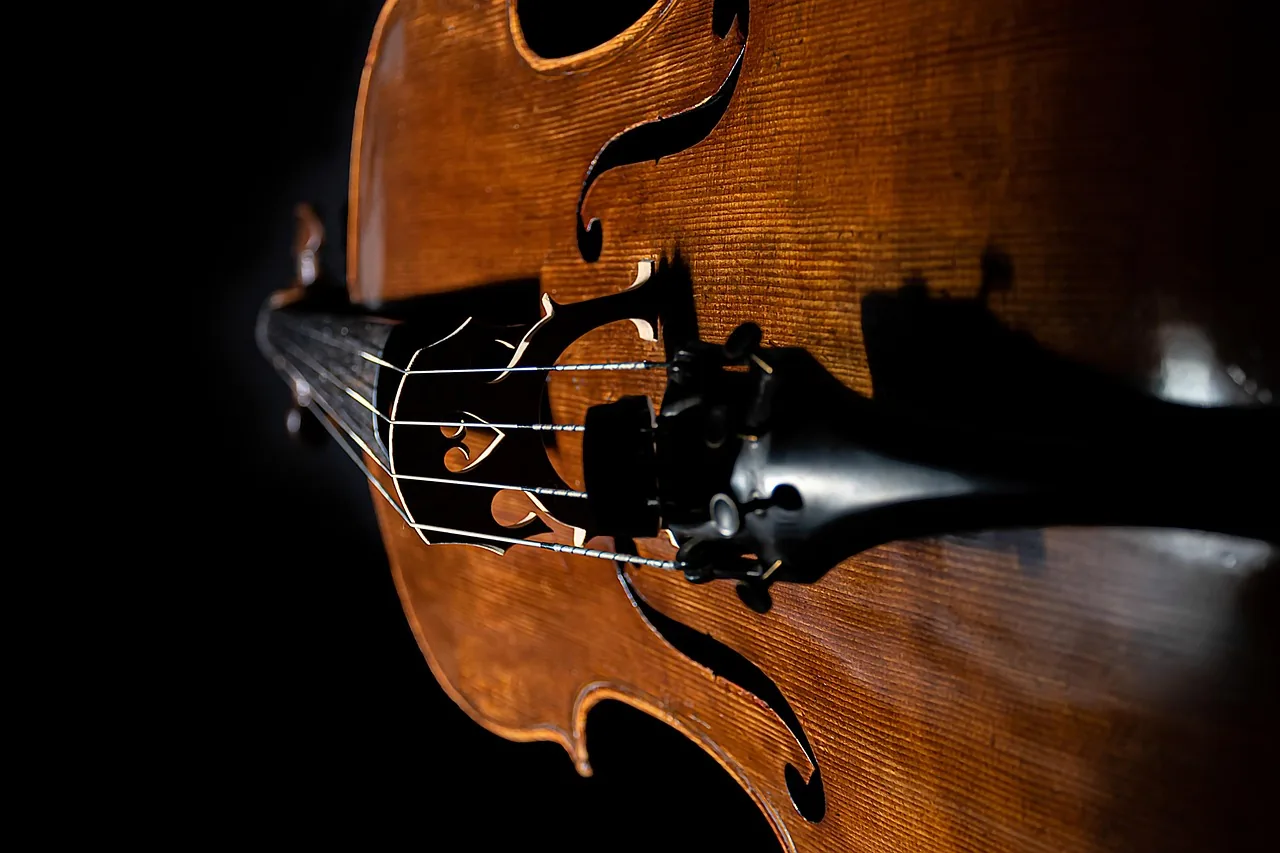
When transporting a string instrument, it is essential to take precautions to avoid damaging it. String instruments such as violins, guitars, and cellos are delicate objects that need careful handling.
Air travel
If you are flying with your string instrument, it is recommended that you take it into the cabin rather than check it into the hold. Temperature changes and rough handling of checked baggage can damage it. Contact the airline in advance to learn its rules and what precautions to take when transporting your instrument.
Protecting the instrument
To protect your string instrument during transport, it is recommended that you humidify the case before departure. This will help maintain a stable humidity level and prevent problems caused by dry air. Also, handle your instrument carefully to avoid impacts that could cause cracks or damage the strings.
Transport case
Investing in a good-quality transport case is an excellent way to protect your string instrument while traveling. Padded cases provide extra protection against impacts and accidental drops. Make sure the case fits well so the instrument does not move during transport.
Instrument-specific considerations
For some string instruments, such as the violin, it is also recommended that you loosen the strings slightly before transport. This will help reduce tension on the bridge and prevent possible damage.
| Precautions when transporting string instruments | Advice |
|---|---|
| Take the instrument aboard the plane | Stow the instrument in the overhead compartment |
| Humidify the case before departure | Prevent problems caused by dry air |
| Handle the instrument carefully | Avoid impacts |
| Invest in a good-quality transport case | Provide extra protection |
| Loosen the strings slightly on some instruments | Avoid excessive tension |
By taking these precautions, you will help preserve your string instrument and keep it in excellent condition wherever you travel. Care for your instrument, and its beautiful sound will delight you for many years.
Conclusion
In this section, we have presented a complete guide to string instruments, focusing on the different families of instruments, their distinctive sounds, and the precautions to take when maintaining and transporting them. Bowed string instruments, such as the violin, viola, cello, and double bass, offer unique sounds and are used in various musical genres. Plucked string instruments, such as the bass, guitar, and harp, are valued for their versatility and distinctive sounds. Struck string instruments, such as the piano, are admired for their elegance and beautiful sound.
We have also emphasized the importance of caring for string instruments by maintaining an appropriate temperature and humidity level, cleaning them regularly, replacing worn strings, and making necessary adjustments. Taking precautions during transport is also essential to avoid damage. By following these tips, you can fully enjoy these wonderful musical instruments and care for them throughout your musical journey.
We hope this complete guide has helped you better understand and appreciate string instruments. Playing a string instrument can be a rewarding experience and bring joy to your life. Feel free to share this guide with other music lovers so they can benefit from it too. Enjoy your musical journey!
FAQ
What are the best-known bowed string instruments?
The best-known bowed string instruments are the violin, viola, cello, and double bass.
Which bowed string instrument is often chosen by children taking music lessons?
The violin is often chosen by children taking music lessons because of its appealing sound.
In which musical genre is the cello mainly used?
The cello is mainly used in classical music and plays an important role in philharmonic orchestras.
What are the main plucked string instruments?
The main plucked string instruments are the bass, guitar, banjo, harp, and harpsichord.
What distinguishes the bass among plucked string instruments?
The bass is known for its low sound and strong presence in many musical genres.
What distinguishes the guitar among plucked string instruments?
The guitar is easy to play and can accompany a performer in any musical style.
Which struck string instruments are popular?
The piano is among the popular struck string instruments.
Which wind instruments are played by blowing into them?
The wind instruments played by blowing into them include the accordion, recorder, concert flute, bassoon, pan flute, clarinet, oboe, saxophone, trumpet, horn, trombone, and tuba.
How should string instruments be cared for?
To care for string instruments properly, maintain an appropriate temperature and humidity level, clean them regularly, replace worn strings, and make any necessary adjustments and repairs.
What precautions should be taken when transporting string instruments?
When transporting a string instrument, protect it by humidifying its case before departure and handling it carefully to avoid impacts that could damage it.